Posted on 6/29/2023
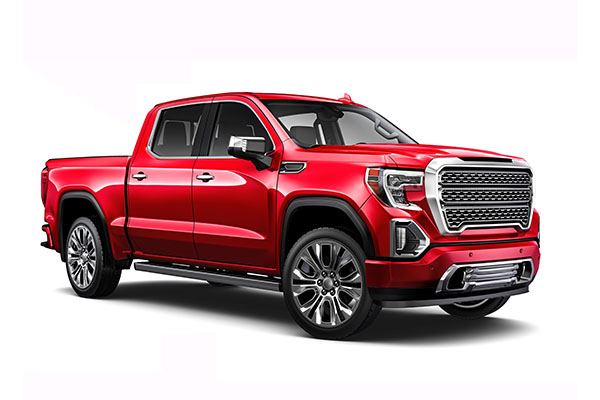
When it comes to pickup trucks, Ford has a long-standing reputation for producing reliable and capable vehicles. Among their popular lineup, the Ford F-150 and Ford F-250 stand out as versatile, robust trucks that are a crowd favorite. While they may share some similarities, there are distinct differences between these two models that cater to different needs and requirements. What are those differences? Well, the most noticeable one is the size and price, with the F-250 being bigger and more expensive than the F-150. ///Size and Payload Capacity One of the primary differences between the Ford F-150 and the F-250 lies in their size and payload capacity. The F-150 is classified as a full-size truck, while the F-250 falls into the heavy-duty truck category. As a result, the F-250 is larger and has a higher payload capacity compared to the F-150. The F-250 is designed for heavier workloads and towing capabilities, making it suitable for hauling larger trailers, e ... read more
Posted on 4/25/2023

When it comes to choosing a vehicle with enhanced traction and control, the terms "all-wheel drive" (AWD) and "four-wheel drive" (4WD) are often used interchangeably. While both systems offer improved handling and stability, there are some key differences between them, which you will see if you continue reading! Explaining The Four-Wheel Drive (4WD) Known as 4WD, 4x4, or four-wheel drive this mechanism is a drivetrain system commonly found in off-road and SUV vehicles. AWD systems, which typically operate full-time, 4WD is often manually engaged by the driver when needed. 4WD systems have a few benefits, so let's take a closer look at them: 4WD systems are designed for off-road adventures and challenging terrain. They provide maximum torque to all four wheels, improving traction and allowing the vehicle to navigate through mud, sand, or rocky terrain. Ideal for towing heavy loads or hauling cargo, as the additional torque distributed t ... read more
Posted on 3/23/2023
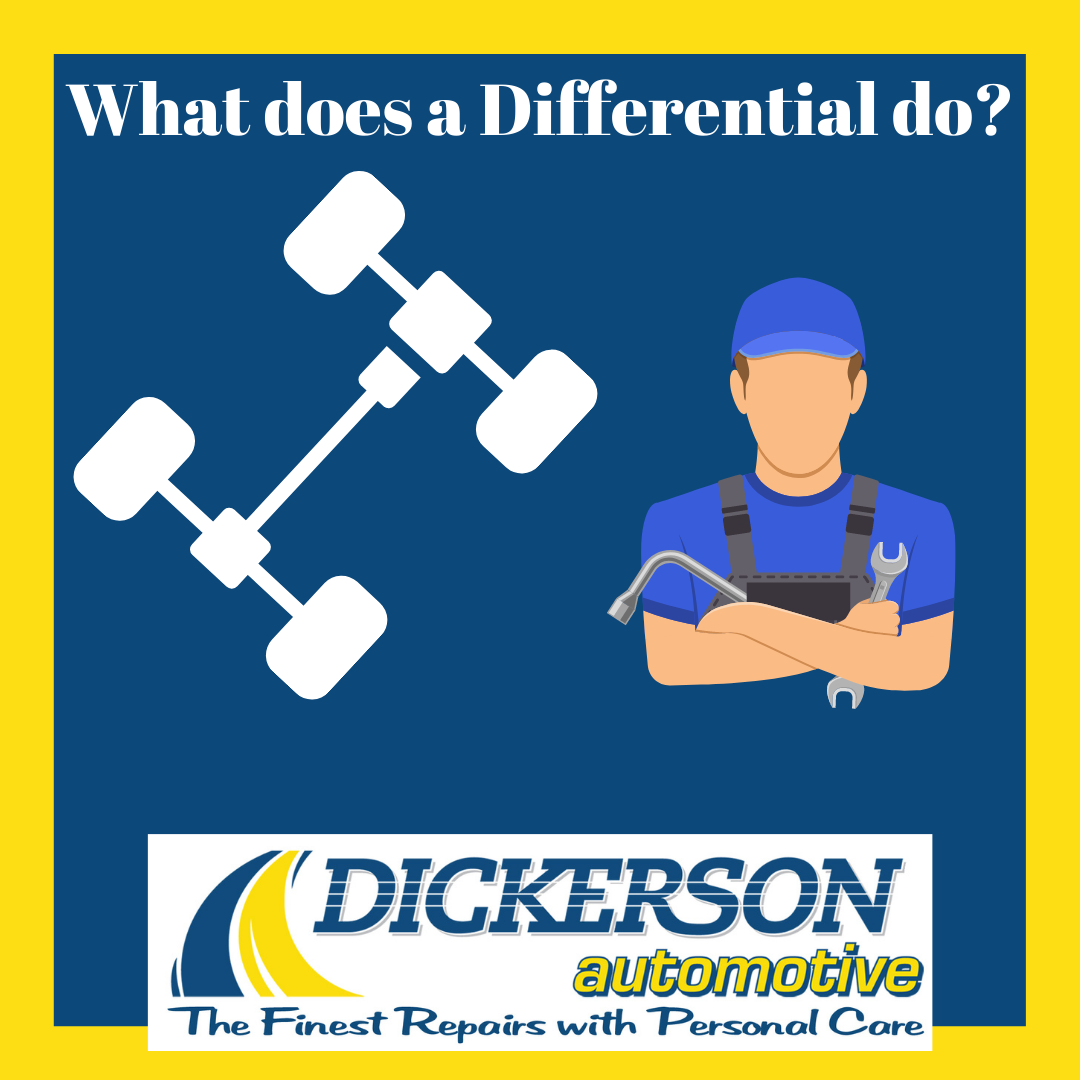
How Does A Differential Work? There are multiple types of differentials and they all function differently, were going to talk about the most common differential which is called an open differential. Simply put the differential takes the power coming from the engine and splits it between the two wheels it is turning. The rear drive line attaches to either the back of the transmission or the transfer case depending on if its 4WD or not, as the engine transfers power through the transmission and into the drive line forcing it to rotate, the gears that are inside the differential housing, in turn rotating the axles which are attached to the tires allowing you to move forward and backward. Much like an engine these gears are suspended in a special gear oil that should be regularly changed. How Often Should I Service My Differentials? Most manufacturers have different service intervals for each fluid, and most recommend having the differentials servic ... read more
Posted on 2/2/2023
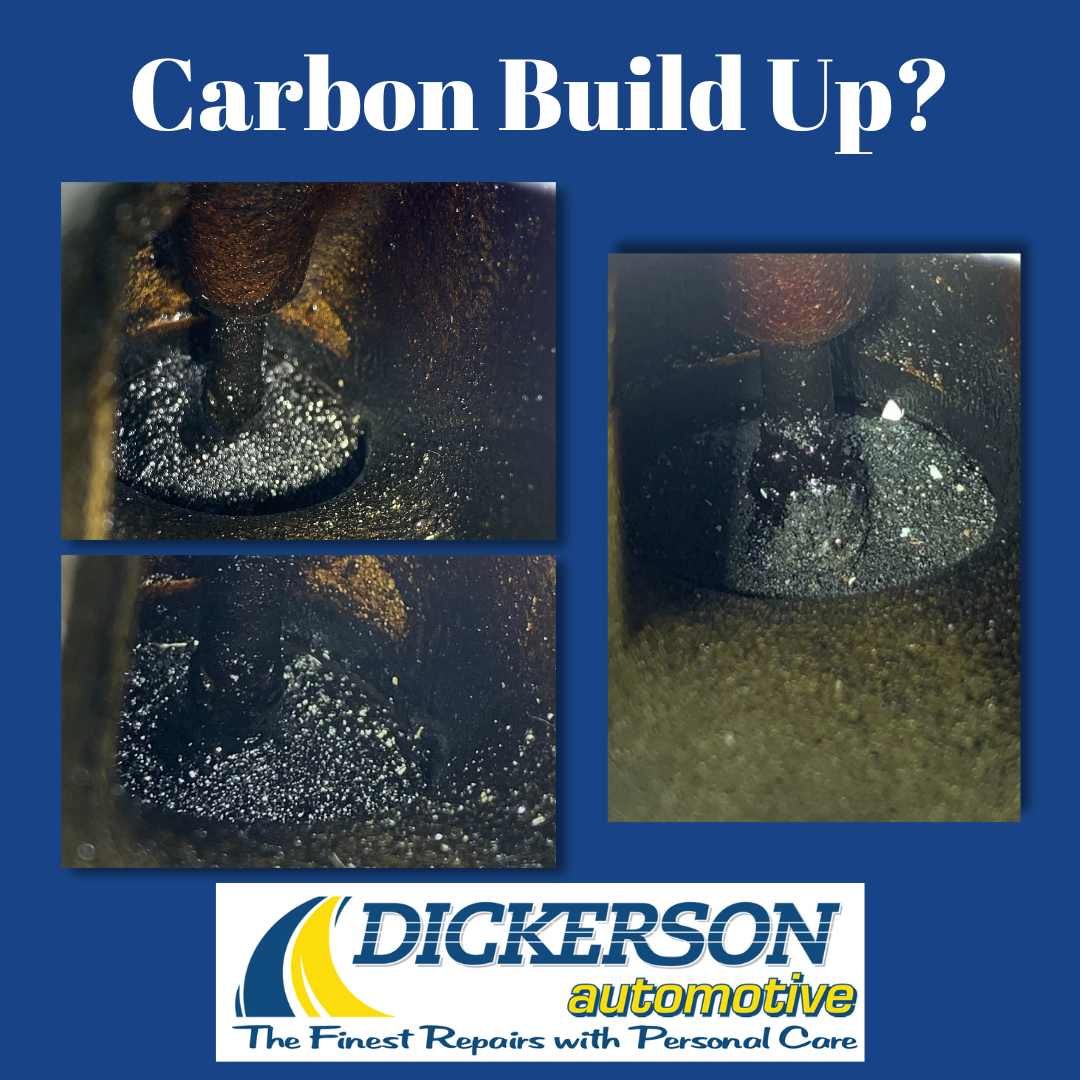
What is carbon build up? In order to understand where carbon comes from a quick explanation of how an internal combustion engine functions is helpful. Vehicles use air, fuel, and spark to create the boom effect inside the engine. Air is sucked into the air intake manifold by the engine and inside this intake manifold contains fuel injectors that spray fuel into the manifold, the fuel then mixes with the air and is delivered to the combustion chamber through the intake valve, this process is called port injection. Carbon is a by-product of the internal combustion engine and is ultimately unavoidable. Carbon build up happens when fuel in the combustion chamber is not fully burned and leaves a dark sticky residue on the surface it comes into contact with. On older vehicles the carbon build up was not as prominent as it is in newer models. This is because the fuel is delivered within the air intake system, as the fuel runs down the intake valve and is delivered into the ... read more
Posted on 11/30/2022
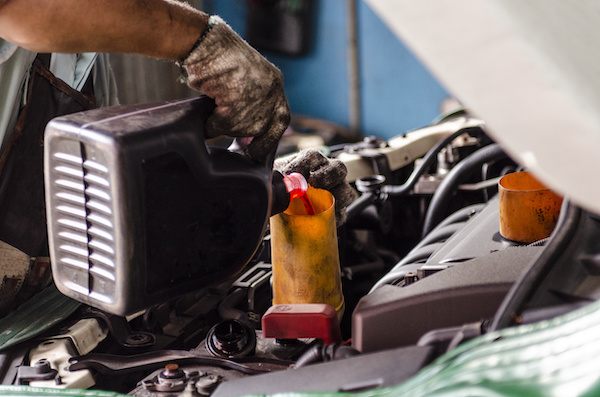
If you didn't know already, your transmission is a vast system responsible for carrying the power generated by your engine to your car's wheels. It is a hydraulic system, which means it depends on a fluid to carry out its function (transmission fluid). The liquid is similar to engine oil for the engine; it is intended to keep the transmission system parts cool and lubricated to prevent damage. If your fluid becomes dirty and ineffective, your vehicle will take a significant amount of transmission damage. Transmission fluid is usually pink or red, and it passes through the system from the impeller to the turbine. Here are all the wonderful things it does for your car: Allows you to shift gears Provides hydraulic pressure Lubricates transmission parts Acts as a layer or barrier between moving components It helps the clutch engage when needed Prevents wear, rust, and corrosion to important components Like the engine, the transmission endures a lot of strain. As a res ... read more