Posted on 11/12/2025
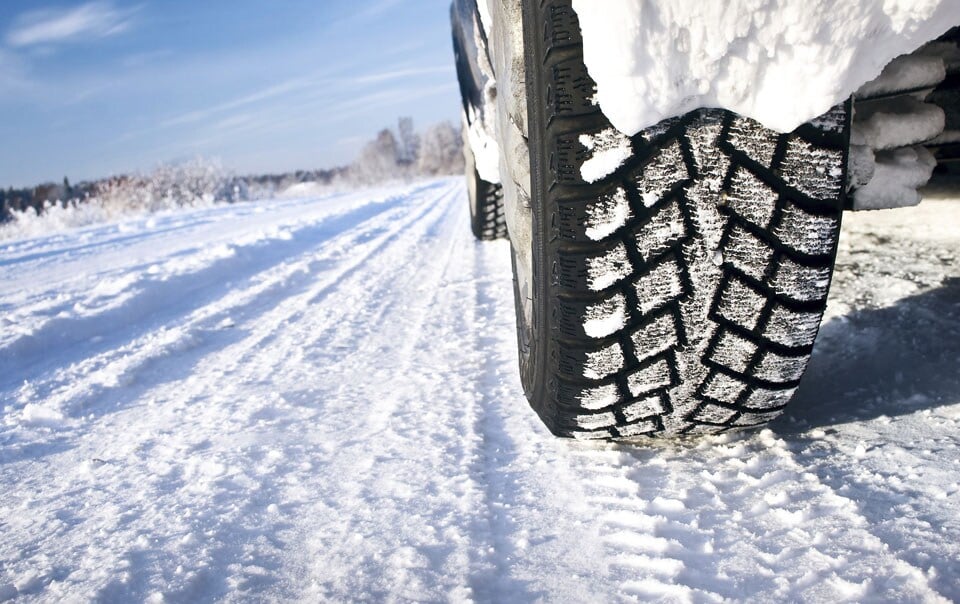
Snow Tires vs. All-Season Tires: What’s Best for Winter Driving? When winter rolls in and the roads get slick, having the right tires can make all the difference in your safety and performance on the road. Utah Drivers often wonder whether snow tires (also called winter tires) are worth the investment or if all-season tires can get the job done. It seems like Utah winters have become more mild and many days the roads are not covered in snow, but you will know if your tires are in horrible shape when the snow does fly. Let’s take a closer look at the pros and cons of each tire type so you can make the best decision for your driving needs. Snow Tires: Built for Winter PerformancePros:Superior Traction in Snow and Ice: Snow tires are made with special rubber compounds that stay soft in cold temperatures, providing excellent grip on snowy a ... read more
Posted on 11/4/2025
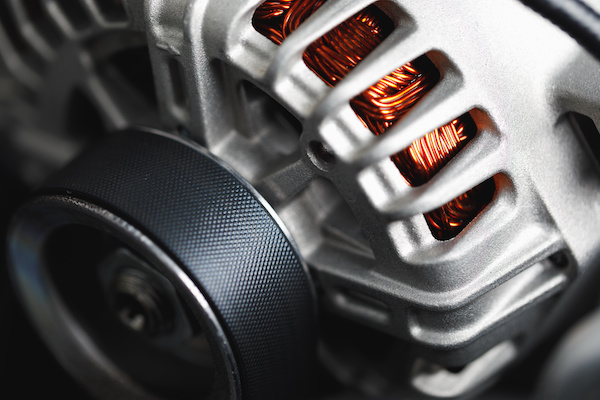
Fall has been amazing — crisp air, colorful leaves, and weekend drives under golden trees. 🍁 But as those first cold mornings roll in, you may have noticed something a little less pleasant: your car taking longer to start… or not starting at all. If that sounds familiar, you’re not alone — and your car’s battery is likely sending a warning sign. Why Cold Weather Affects Your Battery When the temperature drops, your battery’s ability to produce power slows down. Inside every car battery, chemical reactions create the energy needed to start your engine. In cold weather, those reactions take longer to happen, which means less cranking power right when your engine needs more to get going. Combine that with an older or weak battery, and you’ve got the perfect recipe for a chilly morning breakdown. Signs Your Battery Might Be Failing If you’ve noticed any of the following, it’s time for a battery ... read more
Posted on 7/2/2025
.jpeg)
🔥 How Summer Heat Affects Your Vehicle (and Signs You Shouldn't Ignore) Summertime means road trips, sun-soaked days, and unfortunately… stress on your vehicle. While you may be enjoying the warmer weather, your car is working overtime to keep cool and stay running. High temperatures can impact everything from your battery to your tires—and if you're not careful, that summer fun can turn into a breakdown on the side of the road. Here’s how extreme heat affects your vehicle—and the signs you should watch for. ☀️ 1. Battery Strain The heat is harder on your battery than winter. High temperatures can cause battery fluid to evaporate, leading to internal damage and a shortened lifespan. Signs to watch for: Slow engine crank Dim headlights Battery warning light A rotten egg smell (which can indicate a leaking battery) ... read more
Posted on 5/21/2025
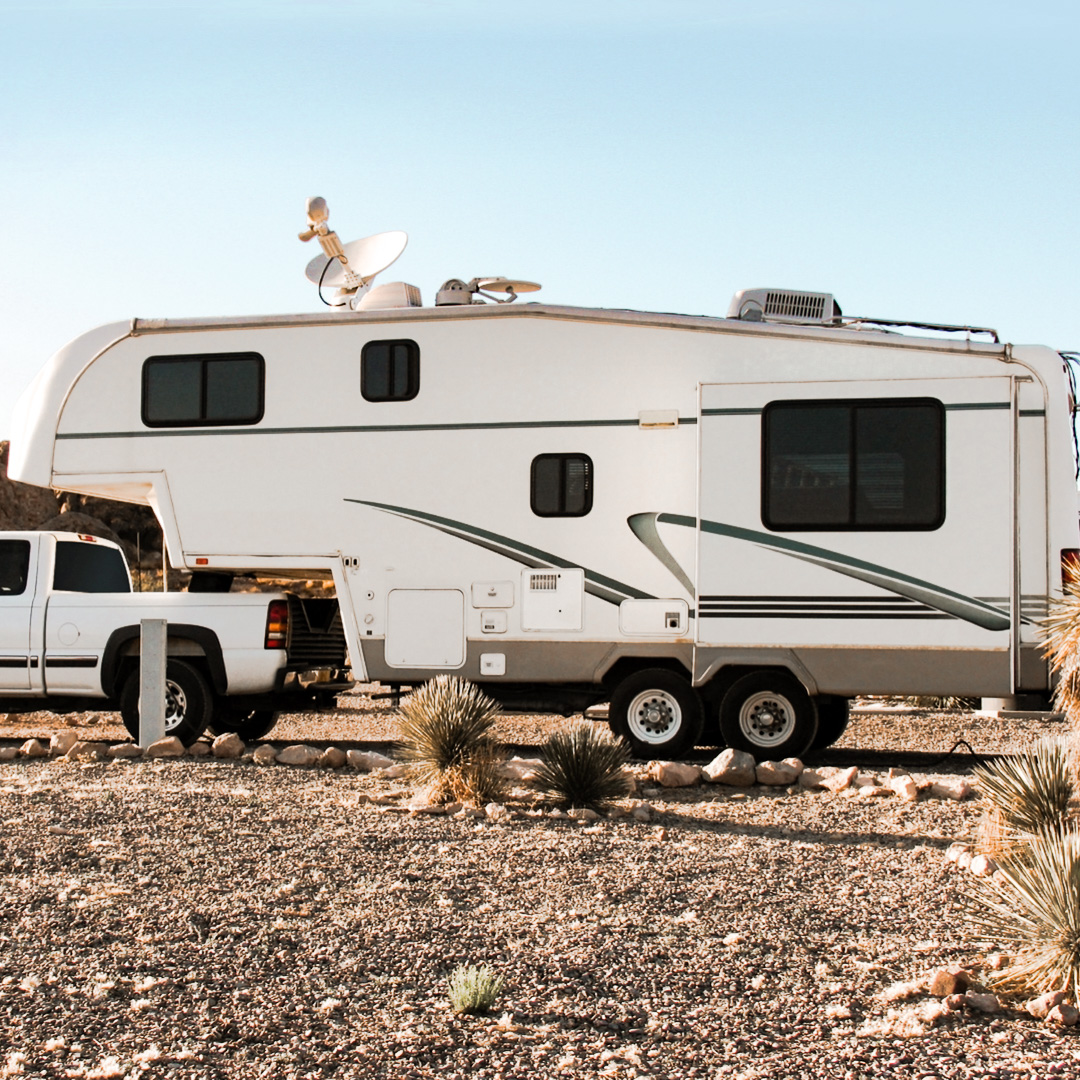
For many, Memorial Day weekend marks the official start of summer adventures. Whether you're heading out on your first camping trip or planning a scenic road trip, it’s important to make sure your vehicle and trailer are ready for the journey. Before you hit the road, take a few minutes to go through this simple checklist to help ensure a safe and stress-free trip: ✅ Car, Truck, and Trailer Pre-Trip Checklist 🚗 Vehicle Checks (Car or Truck)Tire Pressure & Tread – Check for proper inflation and wear. Brakes – Make sure brakes respond smoothly and don’t squeak or grind. Oil & Fluid Levels – Top off or change oil, coolant, brake, and windshield washer fluids. ... read more
Posted on 4/30/2025

As temperatures rise, there's nothing worse than flipping on your car’s A/C… only to be met with a blast of warm air. Whether you're commuting to work, running errands, or planning a road trip, a functional air conditioning system is essential for comfort and safety. If your car’s A/C isn’t doing its job, don’t sweat it — here’s what might be going on and what you can do about it. 1. Check the Obvious First Before diving into major repairs, check a few simple things: Is the A/C actually turned on? Double-check the A/C button and that the temperature dial is set to cold. Is the fan working? If there’s no airflow at all, the issue might be electrical or a bad blower motor. 2. Low or Leaking Refrigerant The most common reason your A/C is blowing warm is low refrigerant — usually due to a leak in the system. Refrigerant (commonly R-134a or R-1234yf) is the ... read more