Posted on 9/30/2026
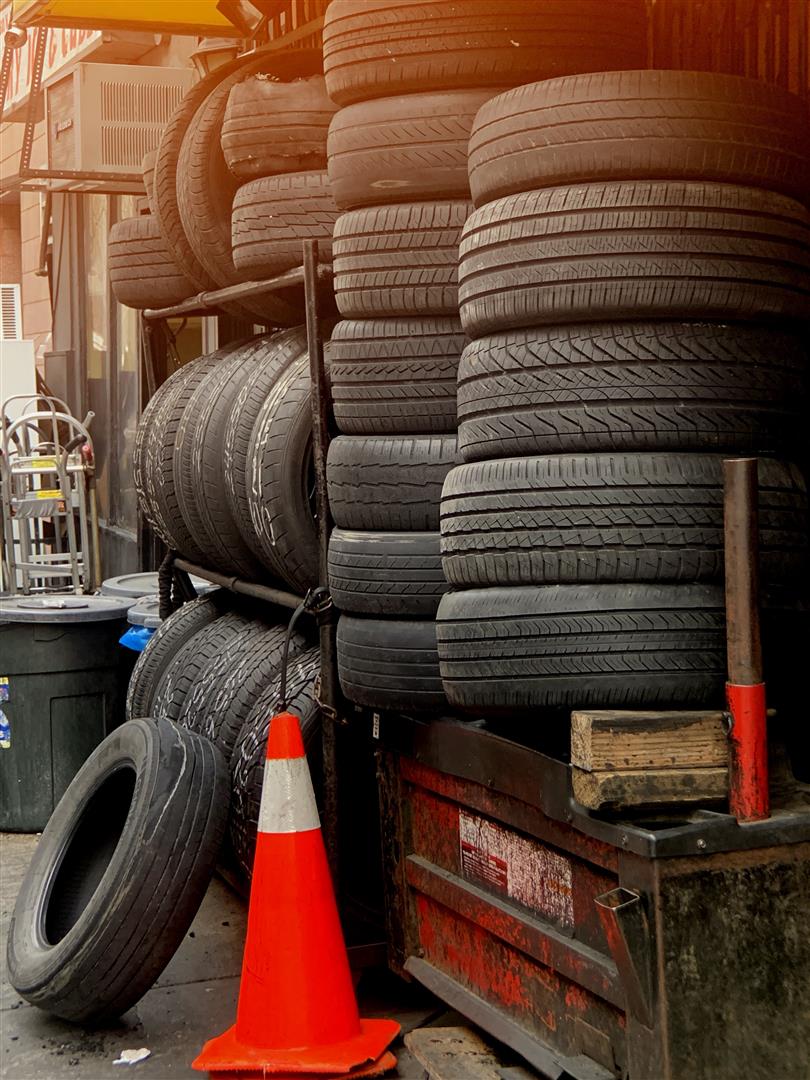
Your tires are one of the most important safety components on your vehicle. They’re your only contact with the road, helping your car, truck, or SUV accelerate, stop, and maintain control—especially when roads are wet or slippery. But how do you know when it’s time for new tires? Tire replacement isn't based on mileage alone. Tread depth, tire age, visible damage, uneven wear, and changes in vehicle handling can all be signs that your tires need to be replaced. Here are some of the most important things to look for. 1. Your Tire Tread Is Worn Down One of the most obvious reasons to replace a tire is worn tread. According to the National Highway Traffic Safety Administration (NHTSA), tires should be replaced when the tread reaches 2/32 of an inch. Tires have built-in treadwear indicators, also called wear bars, located in the grooves of the tread. When the tread is worn level with these indicators, the tire has reached its mi ... read more
Posted on 10/15/2025
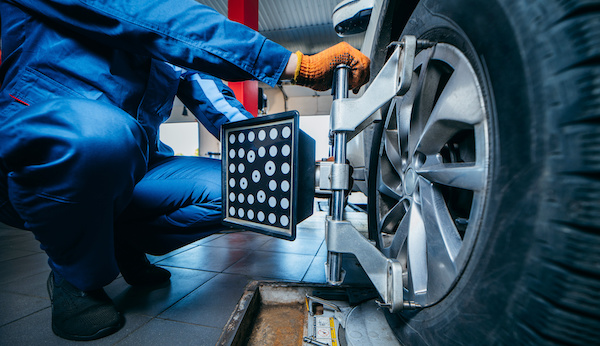
Understanding Your Alignment Readings When your shop hands you an alignment printout, do you really know what all those numbers and terms mean—or do you just notice the Christmas colors of red and green? Most of us understand that red means bad and green means good, but what exactly do those colors represent? Let’s break down the three main terms you’ll see on your alignment report: caster, camber, and toe.Caster Caster measures how far forward or backward the steering axis tilts compared to the vertical axis of the wheel. It affects steering stability, steering effort, and how well your vehicle tracks straight down the road. Positive caster helps keep your steering wheel centered and improves high-speed stability. Negative caster makes steering feel lighter but ... read more
Posted on 9/10/2025
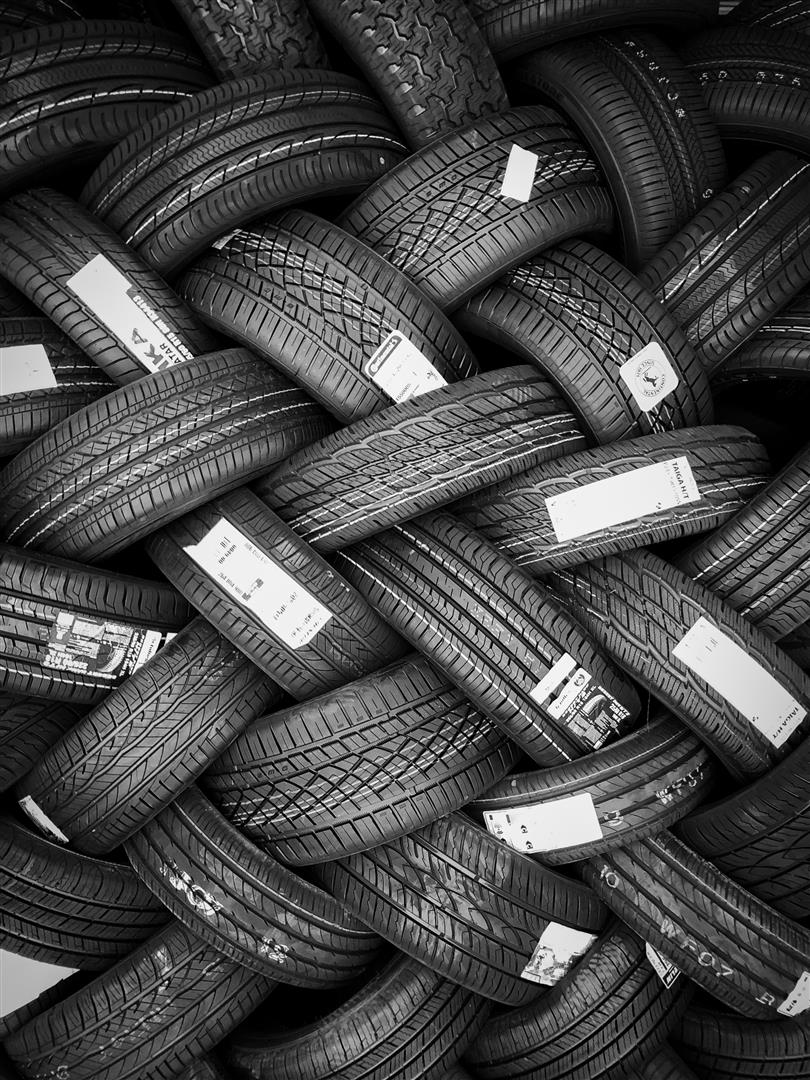
The Importance of Tires: Why Matching, Proper Wear, and Inflation Matter Yourtires are the only part of your vehicle that touches the road, which makes them one of the most important components of your car’s safety and performance. Unfortunately, tire maintenance is often overlooked. Driving with mismatched tires, uneven tire tread wear, or incorrect tire pressure can lead to reduced handling, poor fuel efficiency, and even dangerous situations on the road. Let’s take a closer look at why tire care is so important and what you can do to keep your car driving safely. Why You ... read more
Posted on 8/5/2025
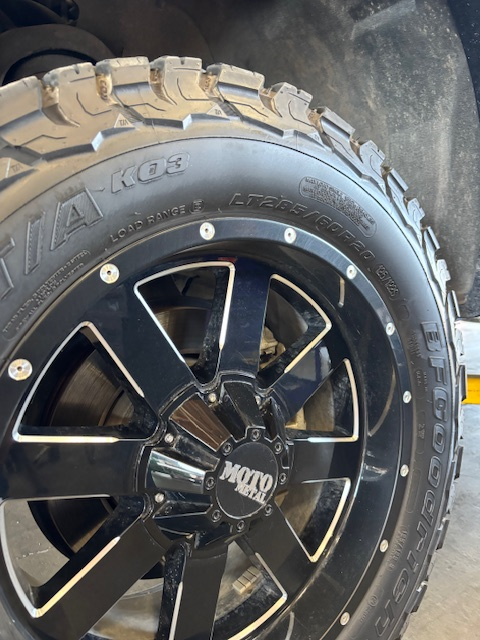
Understanding Tire Sizes: What Do Those Numbers Mean? If you’ve ever looked at the sidewall of your tire, you’ve probably noticed a series of numbers and letters, like 225/60R16. At first glance, it can seem like a secret code—but each number and letter tells you something important about your tire’s size, construction, and performance. Understanding these details can help you make smarter decisions when replacing your tires or upgrading your wheels. Breaking Down a Tire Size Let’s take the example 225/60R16: 1. Tire Width – 225 The first number refers to the width of the tire in millimeters, measured from sidewall to sidewall. In this case, the t ... read more
Posted on 12/26/2024
Tires are the unsung heroes of your vehicle. They provide traction, ensure smooth handling, and play a critical role in your overall safety. However, like all components, they wear out over time and need replacement. Knowing when to replace your tires is essential for keeping your car safe and performing at its best. Key Signs You Need New TiresTread Depth: The tread on your tires provides the grip necessary for safe driving. Over time, this tread wears down. Use the "penny test" to check your tread depth: Insert a penny into the tread with Lincoln’s head facing downward. If you can see all of Lincoln’s head, it’s time for new tires. Ideally, replace them when tread depth falls below 2/32 of an inch. Cracks and Bulges: Tires exposed to extreme weather or simply aging can develop cracks in the sidewall or bulges. These are signs that the tire structure is compromised, which can lead to blowouts. ... read more