Posted on 12/26/2024
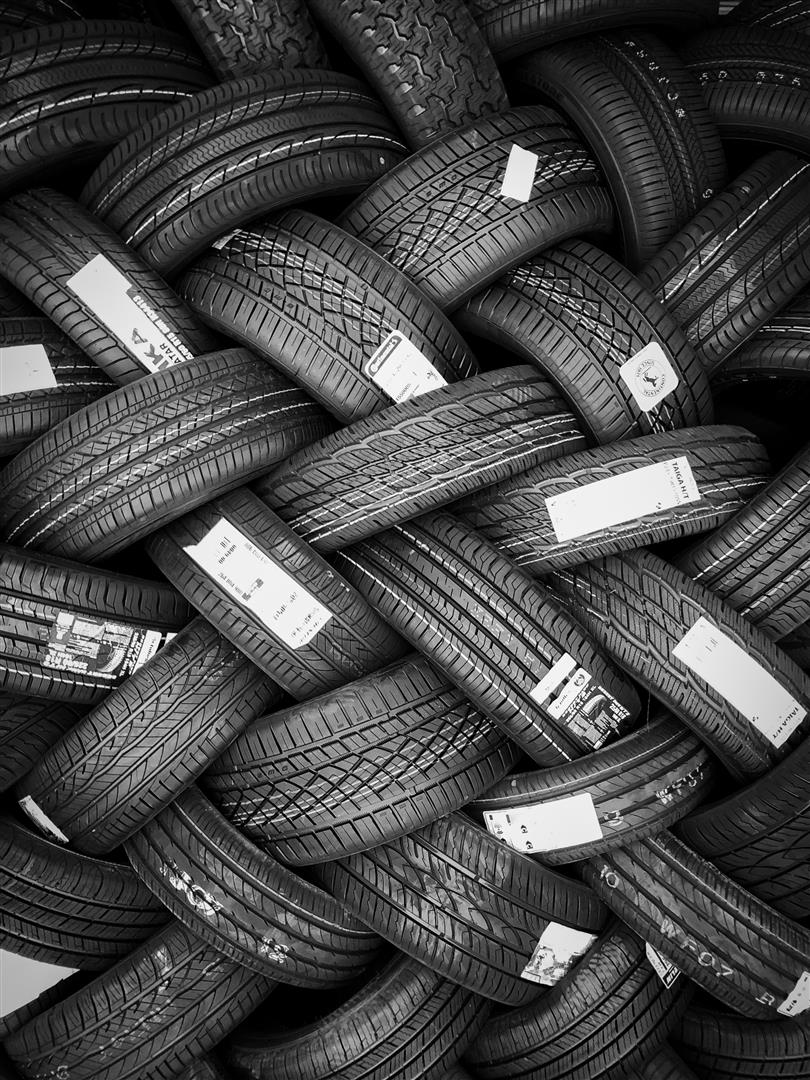
Tires are the unsung heroes of your vehicle. They provide traction, ensure smooth handling, and play a critical role in your overall safety. However, like all components, they wear out over time and need replacement. Knowing when to replace your tires is essential for keeping your car safe and performing at its best. Key Signs You Need New TiresTread Depth: The tread on your tires provides the grip necessary for safe driving. Over time, this tread wears down. Use the "penny test" to check your tread depth: Insert a penny into the tread with Lincoln’s head facing downward. If you can see all of Lincoln’s head, it’s time for new tires. Ideally, replace them when tread depth falls below 2/32 of an inch. Cracks and Bulges: Tires exposed to extreme weather or simply aging can develop cracks in the sidewall or bulges. These are signs that the tire structure is compromised, which can lead to blowouts. ... read more
Posted on 8/6/2024
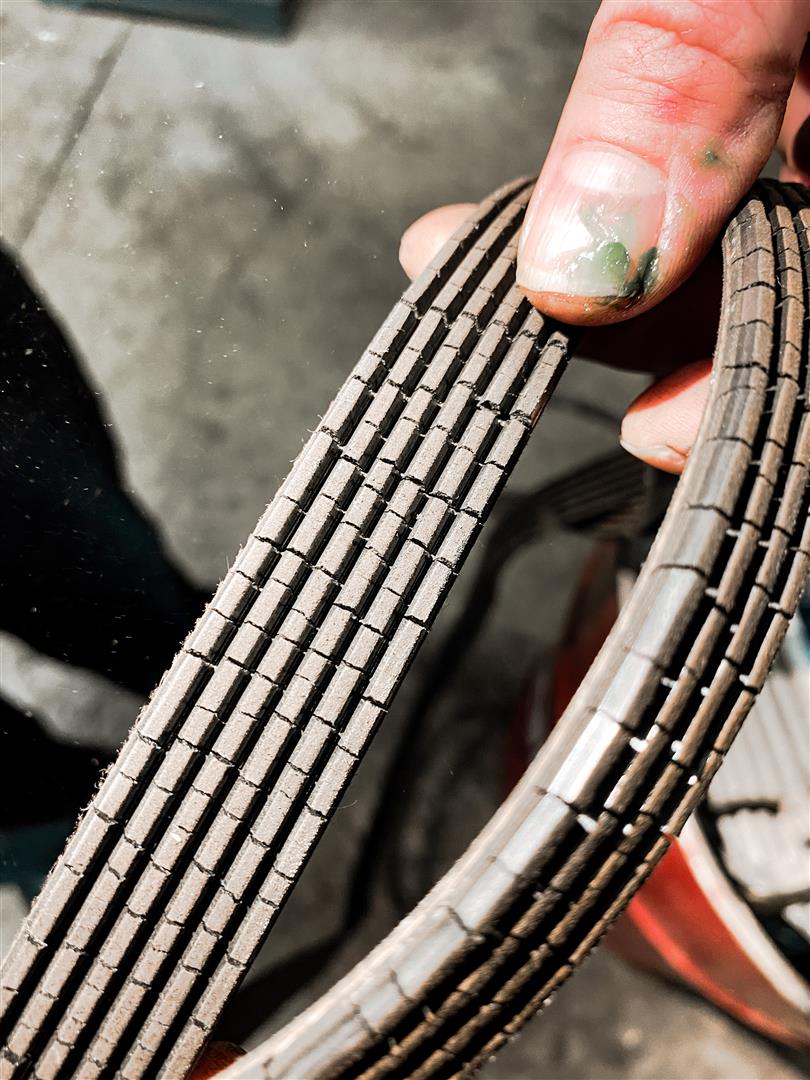
The Importance of Serpentine Belt Replacement and Symptoms of a Worn Belt The serpentine belt is a crucial component of your vehicle's engine, responsible for driving multiple peripheral devices such as the alternator, power steering pump, water pump, and air conditioning compressor. Keeping this belt in good condition is vital for the proper functioning of your car. Here’s why timely serpentine belt replacement is important and how to recognize the signs of a worn belt. Why Replace the Serpentine Belt? 1. Prevent Engine Overheating: The serpentine belt drives the water pump, which circulates coolant through the engine. A failed belt can cause the engine to overheat, leading to significant damage. 2. Maintain Power Steering: Without a functioning serpentine belt, the power steering pump won't operate, making the vehicle difficult to steer and increasing the risk o ... read more
Posted on 5/22/2024
Many modern vehicles come with what manufacturers label as "lifetime fluid" for components like transmissions and differentials. This can be enticing as it suggests minimal maintenance, but is it truly best to avoid changing or servicing these fluids? What Is Lifetime Fluid? Lifetime fluid is designed to last the vehicle's lifetime under normal driving conditions. Manufacturers claim these fluids do not need to be changed, theoretically saving you maintenance costs and hassle. However, "lifetime" can be a misleading term. Pros and Cons Pros: - Convenience: No need for regular fluid changes, which can save time and money. - Cost Savings: Potentially lower maintenance costs over the vehicle's lifespan. Cons: - Fluid Degradation: Over time, even the best fluids can break down, leading to decreased performance and potential damage. - Driving Conditions: Harsh driving conditions (towing, extreme tempera ... read more
Posted on 2/14/2024
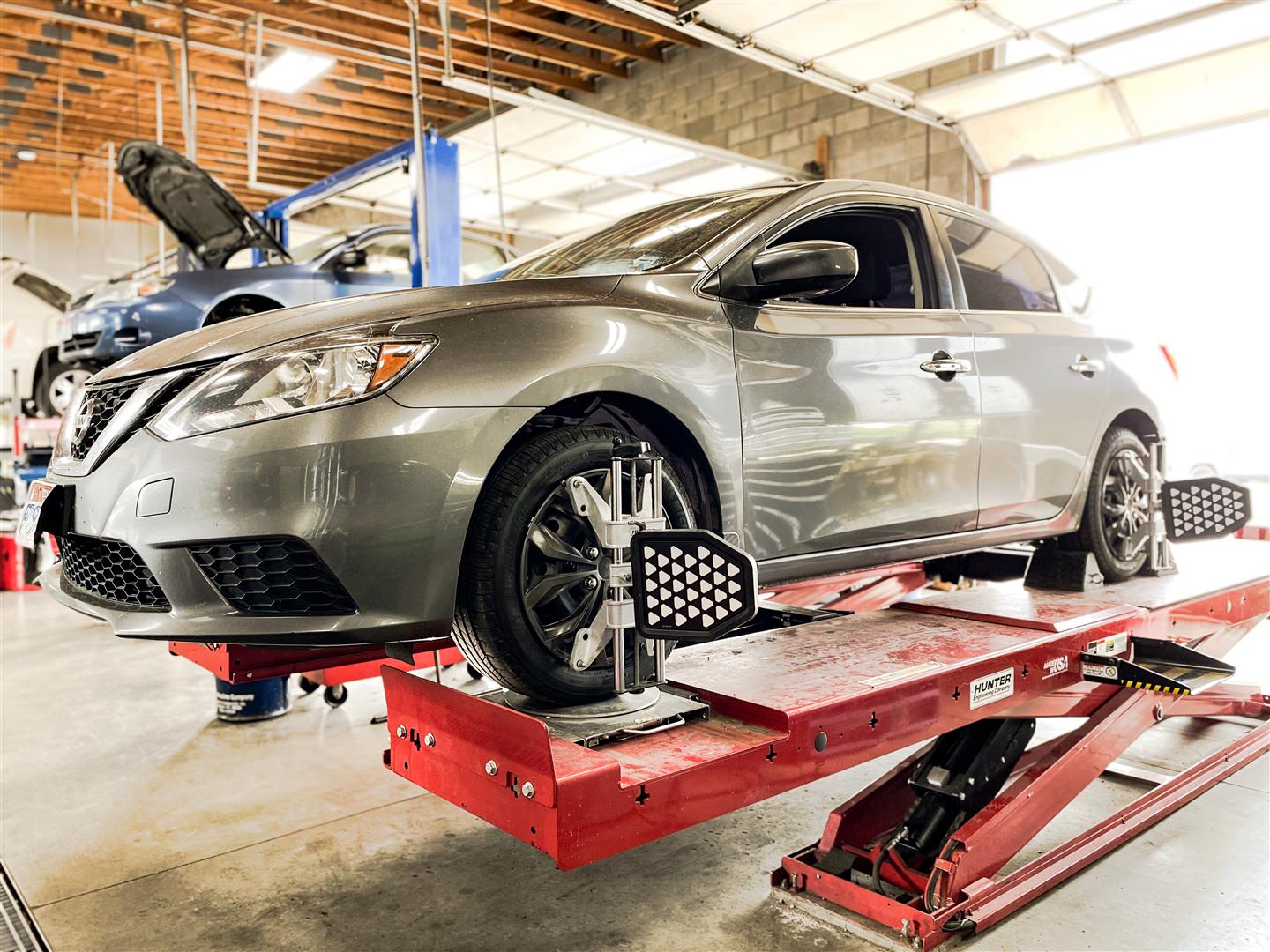
Alignment of vehicle wheels and suspension components is crucial for ensuring optimal performance and safety. Proper alignment, achieved through techniques such as laser and computerized alignment, enhances wheel geometry by adjusting camber, caster, and toe angles. This precision alignment not only promotes even tire wear, extending tire life and reducing maintenance costs, but also enhances fuel efficiency by reducing rolling resistance. Moreover, accurate wheel alignment ensures stable handling, improves steering response, and maximizes braking effectiveness. By aligning the chassis and suspension components, alignment procedures contribute to overall vehicle stability, comfort, and safety, providing drivers with a smoother and safer driving experience.https://www.youtube.com/shorts/18Jax5oh1Ys
Posted on 7/6/2023
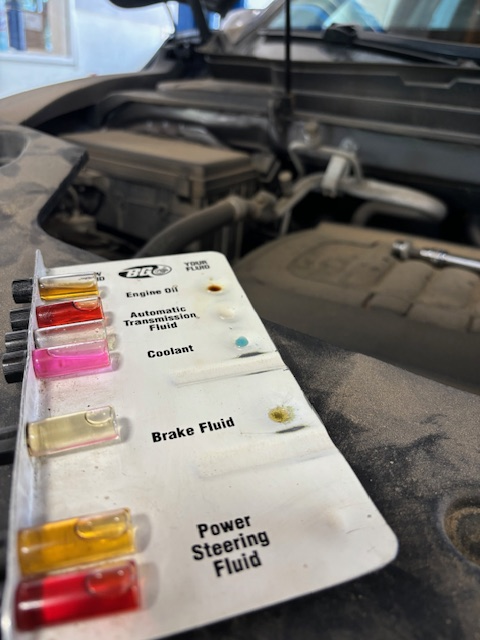
Fluid Exchanges – What You Need to Know When your repair shop recommends a fluid exchange, what exactly does that mean? Most people are familiar with oil changes, but your vehicle can have up to seven other fluids that need regular care—transmission, coolant, brake, power steering, transfer case, front differential, and rear differential. Keeping these fluids clean and fresh ensures all the moving parts in your vehicle stay properly lubricated and performing their best for as long as possible. At Dickerson Automotive, we recommend fluid exchanges every 30,000 to 50,000 miles to maintain peak performance. While some manufacturers claim certain fluids are “lifetime,” their goal is to sell cars—not necessarily keep them running for decades. During every oil change, our technicians take fluid samples to check their condition and help you stay ahead of costly repairs. Call us today to schedule your fluid check ... read more