Posted on 7/15/2026
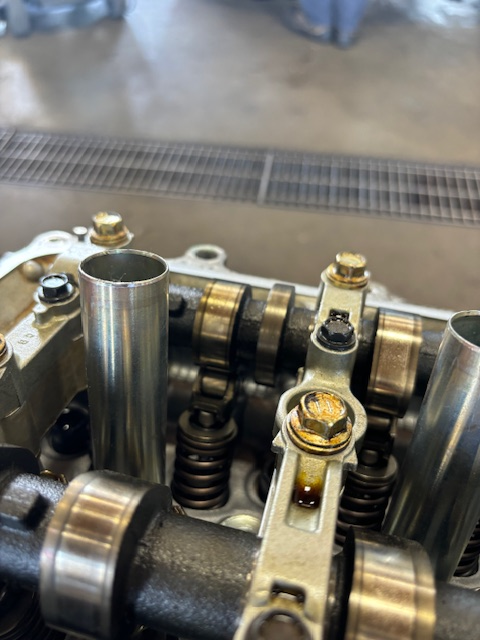
Honda vehicles have earned a reputation for lasting well beyond 200,000 miles when properly maintained. Most owners remember to change their oil, rotate their tires, and replace timing belts when needed—but one of the most important maintenance services is often forgotten: valve adjustments. If you own a Honda, skipping this maintenance could lead to costly repairs that are completely preventable. What Is a Valve Adjustment? Your engine's valves control the flow of air and fuel into the engine and allow exhaust gases to exit after combustion. Between the camshaft and each valve is a small gap called valve clearance or valve lash. As your engine accumulates miles, normal wear causes these clearances to change. A valve adjustment restores the proper clearance so the valves open and close exactly as Honda intended. Unlike many manufacturers that use hydraulic lifters to automatically compensate for wear, ma ... read more
Posted on 7/8/2026

What Is Right to Repair—and Why Should It Matter to You? If you've ever wondered whether you have to take your vehicle back to the dealership for every repair, you're not alone. It's one of the most common questions we hear from customers. The good news is that, in most cases, you have the right to choose where your vehicle is repaired. That's where the Right to Repair movement comes in. As an independent auto repair shop, we believe our customers deserve the freedom to decide who services their vehicles. We also believe that qualified repair shops should have access to the same repair information and technology needed to keep today's vehicles safe and reliable. So, What Is Right to Repair? Today's vehicles are more advanced than ever before. They're filled with computers, sensors, cameras, and sophisticated software that control everything from your engine to your safety systems. The Right to Re ... read more
Posted on 4/30/2026
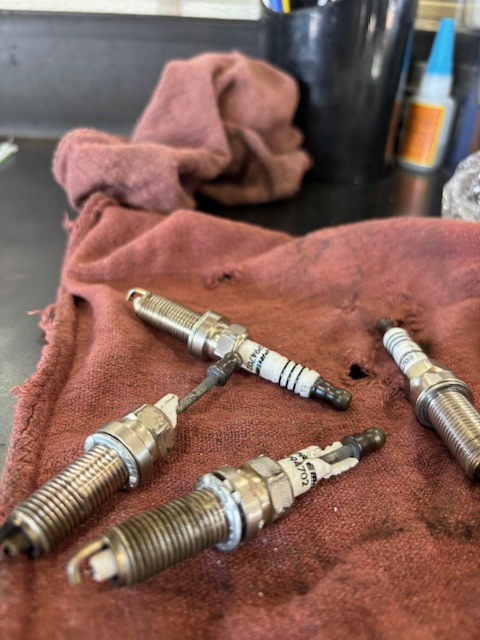
What Is an Engine Misfire? Symptoms, Causes, and What It Means for Your Vehicle If your vehicle suddenly feels rough, sluggish, or starts shaking, you may be dealing with an engine misfire. It’s one of the most common issues drivers experience—and one that should never be ignored. In this blog, we’ll break down what an engine misfire is, the warning signs to watch for, and the most common causes behind it. What Is an Engine Misfire? An engine misfire happens when one or more cylinders in your engine fail to properly ignite the air-fuel mixture needed to create power. In simple terms, one part of your engine isn’t doing its job. For an engine to run correctly, it needs three key elements: The right air-fuel mixture Proper compression A strong, correctly timed spark If any one of these is off, a misfire can occur. Common Symptoms of an Engine Misfire Engine misfires can show up in several ... read more
Posted on 1/15/2026

Why Using Quality Auto Parts Matters for Vehicle Performance and Longevity When it comes to professional auto repair, one of the most important factors in long-term vehicle health is the quality of the parts used. While cheaper replacement parts may seem like a cost-saving option upfront, they often lead to reduced performance, frequent repairs, and higher costs over time. At Dickerson Automotive, we believe that using high-quality auto parts is essential to delivering reliable, long-lasting repairs you can trust. Improved Reliability and Vehicle Performance High-quality auto parts are designed to meet or exceed manufacturer specifications, ensuring dependable performance and consistent operation. Whether it’s brake components, spark plugs, suspension parts, or engine components, quality parts help your vehicle run smoothly and efficiently. Low-grade parts can wear out quickly or fail prematurely, increasing t ... read more
Posted on 9/17/2025

How Much Is My Car Worth? Should I Repair or Replace It? One of the most common questions car owners ask is: “How much is my car worth?” When a repairs large or small come up with your current vehicle makes you stop and think, Is this worth fixing? Should I just buy new? Knowing the answer helps you decide whether it makes more sense to invest in repairs or start shopping for something new. Step 1: Check Online Car Value Tools There are several free resources that give you an estimate of your car’s value: Kelley Blue Book (KBB.com)Edmunds.comNADA GuidesLocal dealership trade-in tools These sites ask for your vehicle’s year, make, model, mileage, and condition. Once entered, you’ll get a price range ... read more