Posted on 9/4/2025

Fall Vehicle Maintenance: Your Ultimate Checklist for a Safe, Smooth Ride As temperatures dip and rain or frost becomes more frequent, fall marks an essential time to prepare your vehicle for winter. A few simple checks now can help you avoid costly repairs later—while ensuring safety, reliability, and peace of mind. 1. Grab Your Owner’s Manual and Service Records Before diving into maintenance, gather your owner’s manual and any recent service receipts. The manual is your go-to guide for fluid levels, belt and hose specs, and maintenance intervals. If your next service is due, now is the perfect moment to schedule it . 2. Battery Health Check Car batteries age faster in extreme temperatures. If your battery is over three years old, have it tested or replaced—especially since winter is when battery failures peak . A failing battery in freezing weather can leave you stranded and exposed. 3. Wipers, Windshield Washer Fluid & Defrosters Visibility is cruci ... read more
Posted on 7/2/2025
.jpeg)
🔥 How Summer Heat Affects Your Vehicle (and Signs You Shouldn't Ignore) Summertime means road trips, sun-soaked days, and unfortunately… stress on your vehicle. While you may be enjoying the warmer weather, your car is working overtime to keep cool and stay running. High temperatures can impact everything from your battery to your tires—and if you're not careful, that summer fun can turn into a breakdown on the side of the road. Here’s how extreme heat affects your vehicle—and the signs you should watch for. ☀️ 1. Battery Strain The heat is harder on your battery than winter. High temperatures can cause battery fluid to evaporate, leading to internal damage and a shortened lifespan. Signs to watch for: Slow engine crank Dim headlights Battery warning light A rotten egg smell (which can indicate a leaking battery) ... read more
Posted on 4/9/2025
.jpg)
As winter fades and spring emerges, April brings not only warmer weather but also National Car Care Month—a timely reminder to ensure your vehicle is in top condition for the seasons ahead. Regular maintenance not only enhances safety but also extends the lifespan of your car and can prevent costly repairs down the line. Key Areas to Focus On During National Car Care Month:Tire Maintenance Your tires are the only point of contact between your vehicle and the road, making their upkeep crucial. Regularly inspect them for proper pressure, tread depth, and signs of wear or damage. Maintaining correct tire pressure ensures optimal fuel efficiency and handling. Additionally, scheduling annual wheel alignments can prevent uneven wear and prolong tire life. Oil Changes Engine oil lubricates moving parts, reduces friction, and helps keep the engine clean. Changing your vehicle's oil at recommended intervals is cru ... read more
Posted on 12/31/2024

Choosing the right auto repair shop is a critical decision for every vehicle owner. Whether it’s a routine oil change or a major repair, drivers want to ensure their car is in trusted hands. So, what makes an auto repair shop stand out? Here are the top features customers commonly look for when selecting an auto repair service: 1. Trustworthiness When it comes to auto repair, trust is everything. Customers value shops that provide honest diagnostics and transparent pricing. They want to feel confident that they’re not being sold unnecessary repairs or overcharged for services. Building a reputation for integrity and straightforward communication is key to earning customer loyalty. Here at Dickerson Automotive, we’ve spent 25 years building and maintaining the trust of our valued customers.2. Qualified Technicians The expertise and certifications of the mechanics can make or break an auto repair shop’s reput ... read more
Posted on 11/20/2024
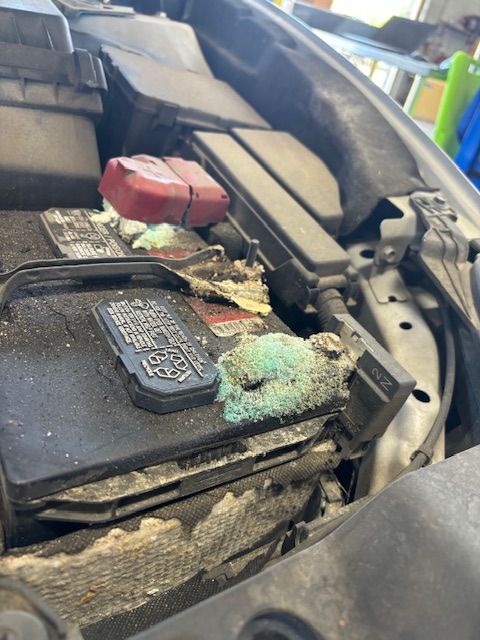
Why Your Vehicle Might Hesitate to Start in the Winter As temperatures drop, many drivers notice their vehicles struggle or hesitate to start, leaving them wondering, "What’s going on under the hood?" One of the main culprits during the winter months is your car's battery. Here’s why cold weather and battery performance don’t always go hand in hand—and what you can do about it. How Cold Weather Affects Your Battery Car batteries rely on chemical reactions to produce power, and cold weather slows these reactions down. This means your battery generates less energy to start the engine when you need it most. Additionally: Thickened Electrolyte: Low temperatures cause the electrolyte solution inside the battery to thicken, reducing ion movement and lowering the battery’s overall capacity. Increased Power Demand: Cold engines and thicker oil make starting your vehicle more demanding, requiring ... read more