What Is an Engine Misfire? Symptoms, Causes, and What It Means for Your Vehicle
If your vehicle suddenly feels rough, sluggish, or starts shaking, you may be dealing with an engine misfire. It’s one of the most common issues drivers experience—and one that should never be ignored.
In this blog, we’ll break down what an engine misfire is, the warning signs to watch for, and the most common causes behind it.
What Is an Engine Misfire?
An engine misfire happens when one or more cylinders in your engine fail to properly ignite the air-fuel mixture needed to create power. In simple terms, one part of your engine isn’t doing its job.
For an engine to run correctly, it needs three key elements:
- The right air-fuel mixture
- Proper compression
- A strong, correctly timed spark
If any one of these is off, a misfire can occur.
Common Symptoms of an Engine Misfire
Engine misfires can show up in several noticeable ways. Some may be mild at first, but they often get worse over time.
1. Rough Idle or Shaking
You may feel your vehicle vibrating while stopped or idling. This happens because the engine is no longer running evenly.
2. Loss of Power
A misfiring engine often feels sluggish, especially when accelerating or going uphill.
3. Jerking or Stuttering While Driving
The vehicle may hesitate, jerk, or feel like it’s “bucking” during acceleration.
4. Check Engine Light
One of the most common indicators is an illuminated (or flashing) check engine light.
5. Poor Fuel Economy
Because the engine isn’t burning fuel efficiently, you may notice increased fuel consumption.
What Causes an Engine Misfire?
A misfire isn’t a single problem—it’s a symptom of something else going wrong. Most causes fall into three main categories: ignition, fuel, or mechanical issues.
1. Ignition System Problems
These are the most common causes of misfires:
- Worn or fouled spark plugs
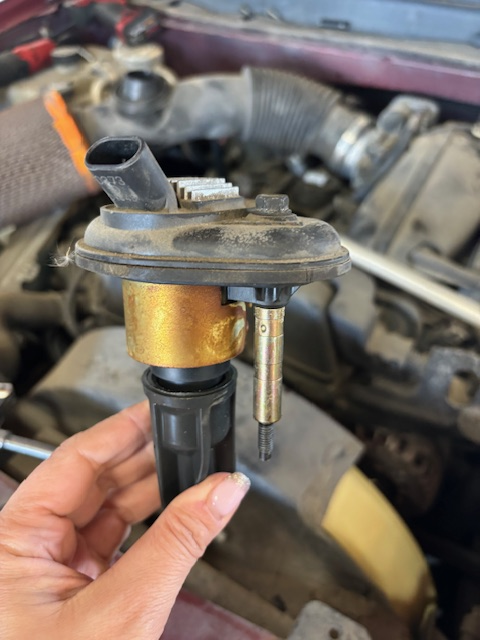
- Faulty ignition coils
- Damaged spark plug wires
If the spark isn’t strong enough—or doesn’t happen at the right time—the fuel won’t ignite properly.
2. Fuel System Issues
Your engine needs the right amount of fuel delivered at the right time:
- Clogged or failing fuel injectors
- Low fuel pressure
- Dirty fuel system components
Without proper fuel delivery, combustion simply can’t happen.
3. Air Intake or Vacuum Leaks
Too much or too little air can throw off the air-fuel ratio:
- Vacuum leaks
- Intake manifold gasket leaks
- Faulty airflow sensors
Even a small leak can cause a “lean” condition that leads to a misfire.
4. Compression or Internal Engine Problems
More serious issues can also cause misfires:
- Worn piston rings
- Damaged valves
- Blown head gasket
These problems prevent the engine from properly compressing the air-fuel mixture.
5. Sensor or Exhaust System Issues
Modern vehicles rely on sensors and emissions systems:
- Faulty oxygen (O2) or mass airflow (MAF) sensors
- Clogged catalytic converter
When sensors send incorrect data, the engine can’t maintain the proper balance needed for combustion.
Why You Shouldn’t Ignore a Misfire
A misfire might seem minor at first, but it can lead to bigger—and more expensive—problems if left unchecked.
Unburned fuel can damage your catalytic converter, reduce fuel efficiency, and even cause long-term engine damage.
The sooner the issue is diagnosed, the more likely it can be fixed before turning into a costly repair.
An engine misfire is your vehicle’s way of telling you something isn’t right. Whether it’s a worn spark plug or a more serious internal issue, catching the symptoms early can save you time, money, and frustration.
If you notice shaking, loss of power, or a check engine light, it’s best to have your vehicle inspected as soon as possible.