Posted on 6/3/2026
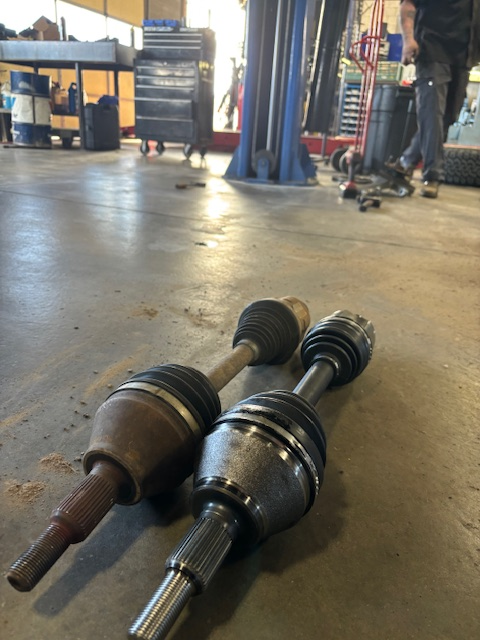
Why Does My Car Squeak When I Turn? Common Causes, Warning Signs, and Solutions Have you noticed a squeaking, creaking, or chirping noise when turning your steering wheel? While it may seem like a minor annoyance, unusual noises when turning can be your vehicle's way of warning you that something needs attention. A squeak when turning can originate from several different systems, including your suspension, steering, brakes, or wheel bearings. Ignoring the noise could lead to more expensive repairs and, in some cases, safety concerns. Understanding the possible causes can help you know when it's time to have your vehicle inspected. 1. Worn or Dry Suspension Components Your suspension system is designed to absorb bumps and keep your vehicle stable on the road. As suspension components age, rubber bushings can dry out, crack, or wear down, causing squeaking noises during turns and over bumps. Common suspension components that may squeak include: Ball joints Control arm bush ... read more
Posted on 5/19/2026
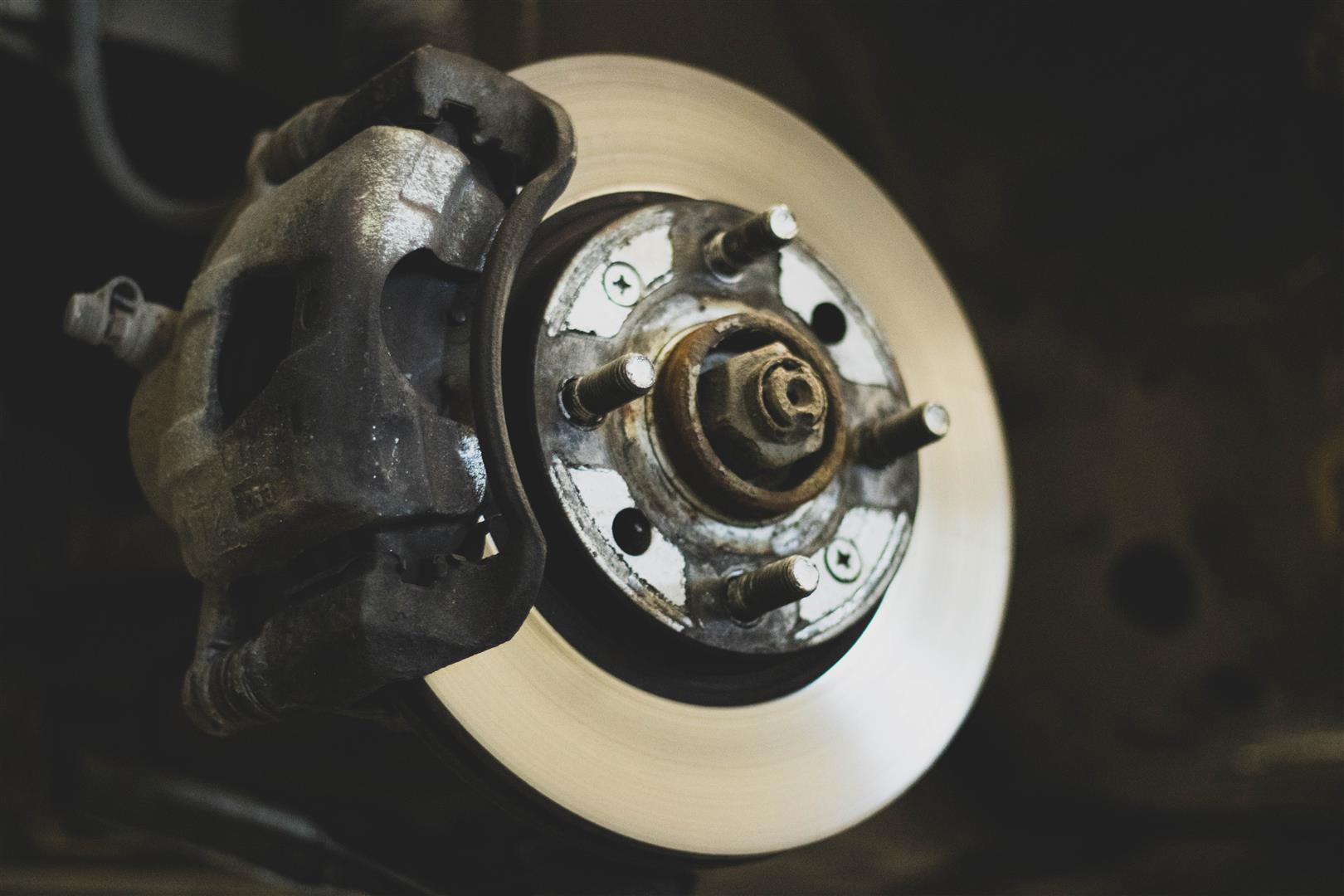
Brake Pads: Understanding Brake Pad Measurements and What Can Happen If You Wait Too Long Your vehicle’s brake system is one of the most important safety features on your car, truck, or SUV. Brake pads wear down over time, and understanding brake pad measurements can help you avoid expensive brake repairs and dangerous driving conditions. What Are Brake Pads? Brake pads are a key component of your vehicle’s disc brake system. When you press the brake pedal, the brake pads clamp against the brake rotors to safely slow and stop your vehicle. Brake pads consist of a solid steel backing plate with friction material attached to it. The friction material can vary depending on the application and may be ceramic, semi-metallic, or organic material. Over time, the friction material wears away through normal driving. Regular brake inspections help monitor the remaining brake pad thickness and determine when replacement is needed. Unders ... read more
Posted on 12/19/2025
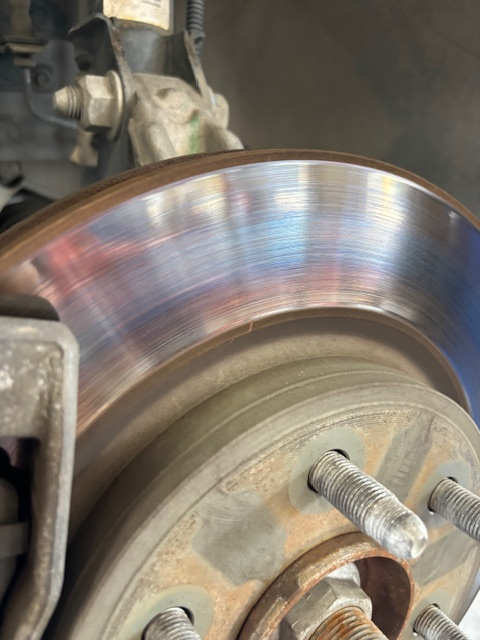
Your vehicle’s brake system is one of its most important safety features, and brake rotors play a major role in how well your car stops. When it’s time for a brake service, many drivers ask the same question: Should brake rotors be resurfaced, or do they need to be replaced? The answer depends on their condition, thickness, and overall wear. Let’s break down the difference and help you understand when each option makes sense. https://www.youtube.com/watch?v=qa9qsURR9_E What Do Brake Rotors Do? Brake rotors work with your brake pads to slow and stop your vehicle. When you press the brake pedal, the pads clamp down on the rotors, creating friction. Over time, this friction causes wear, heat stress, and surface imperfections. When Brake Rotors Can Be Resurfaced Resurfacing (also called machining) involves removing a thin layer of metal from t ... read more
Posted on 12/10/2025
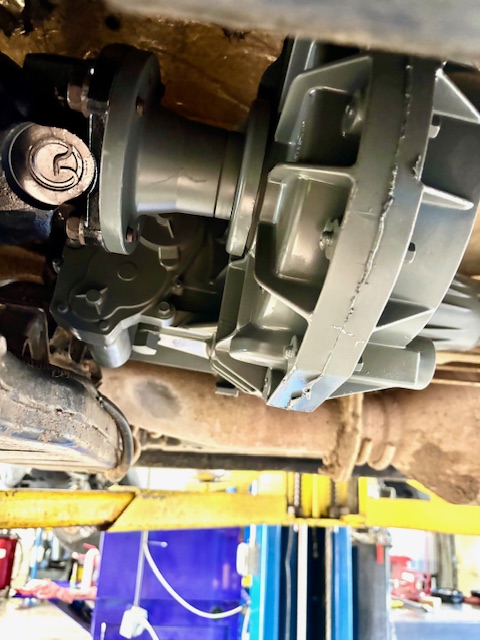
Double Cardan Joint Failure: What It Is and What It Can Damage If you drive a 4x4 or a vehicle with a lifted suspension, chances are your driveline uses a double cardan joint—a heavy-duty version of a universal joint (U-joint) designed to reduce vibration and handle steep driveline angles. While these joints are durable, they’re not indestructible, This week we had a 2009 Dodge Ram and this customer find out just how much can be damaged when this joint fails. When a double cardan joint fails, it can cause serious drivability issues and even damage major surrounding components. Here’s a breakdown of what the double cardan joint does, how it fails, and the parts that can be affected when it does. What Is a Double Cardan Joint? A double cardan joint, sometimes called a CV-style U-joint, uses two U-joints and a centering mechanism to keep the driveline operating sm ... read more
Posted on 10/1/2025
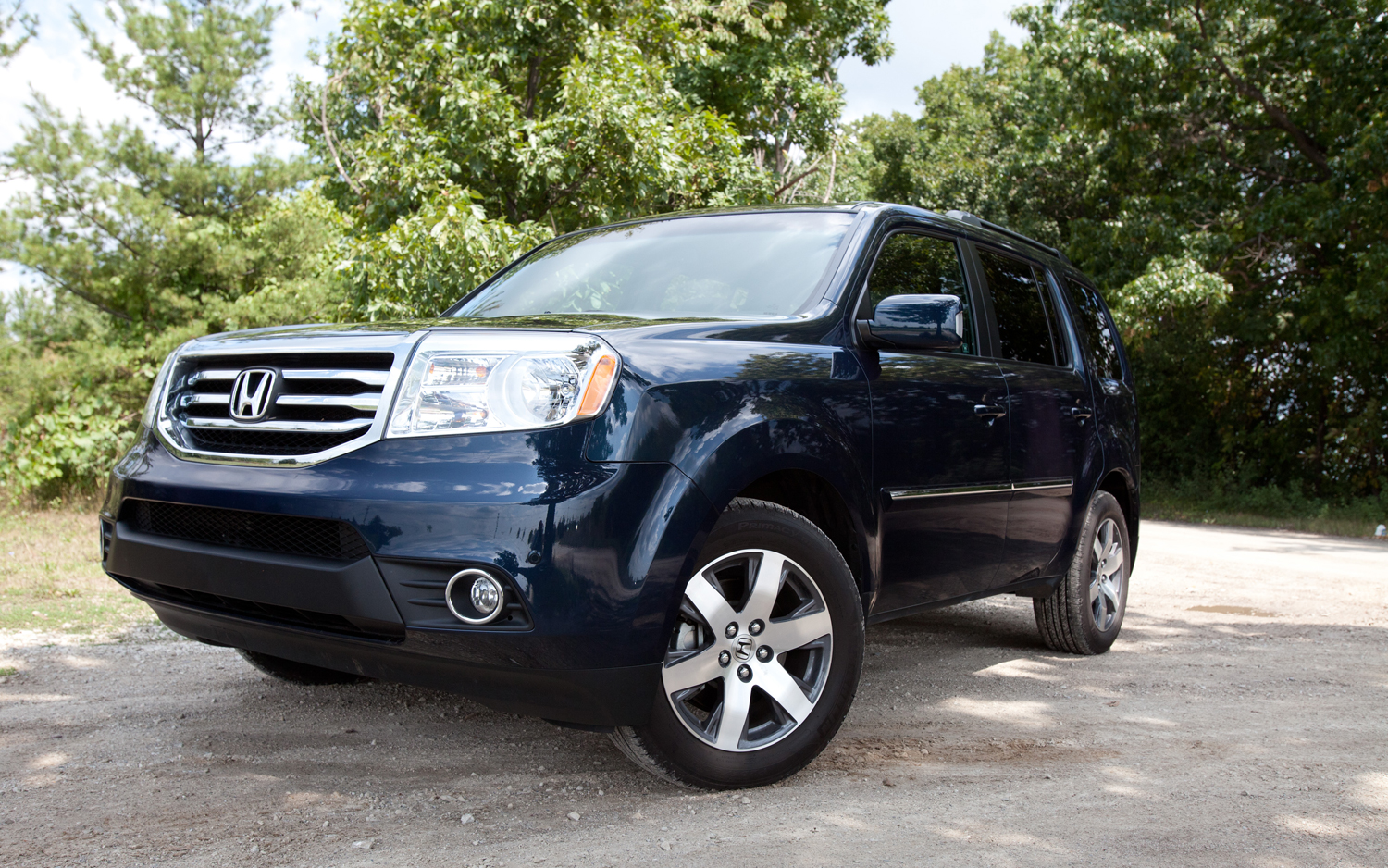
If you’ve noticed a popping or clicking sound when driving your Honda Pilot, especially while turning or accelerating, it could be a sign of an issue with your CV (constant velocity) axle. In SUVs like the Pilot, CV axles are critical components that transfer power from the transmission to the wheels while also allowing flexibility for the suspension’s up-and-down motion. Because Honda Pilots are larger, family-friendly vehicles often used for road trips, commuting, and sometimes towing, their CV axles endure significant stress. Over time, wear and tear can cause these parts to develop issues that present as popping or clicking noises. Addressing the problem early can prevent further damage and keep your Pilot safe and reliable. Common Causes of CV Axle Popping in a Honda Pilot 1. Worn or Damaged CV Joints One of the most common reasons Honda Pilot owners hear popping sounds ... read more