Why Does My Car Squeak When I Turn? Common Causes, Warning Signs, and Solutions
Have you noticed a squeaking, creaking, or chirping noise when turning your steering wheel? While it may seem like a minor annoyance, unusual noises when turning can be your vehicle's way of warning you that something needs attention.
A squeak when turning can originate from several different systems, including your suspension, steering, brakes, or wheel bearings. Ignoring the noise could lead to more expensive repairs and, in some cases, safety concerns. Understanding the possible causes can help you know when it's time to have your vehicle inspected.
1. Worn or Dry Suspension Components
Your suspension system is designed to absorb bumps and keep your vehicle stable on the road. As suspension components age, rubber bushings can dry out, crack, or wear down, causing squeaking noises during turns and over bumps.
Common suspension components that may squeak include:
- Ball joints
- Control arm bushings
- Sway bar links and bushings
- Tie rod ends
- Upper strut mounts
You may also notice:
- Popping or clunking noises
- Uneven tire wear
- Loose steering feel
- Vehicle pulling to one side
A professional inspection can determine whether lubrication, repair, or replacement is needed.
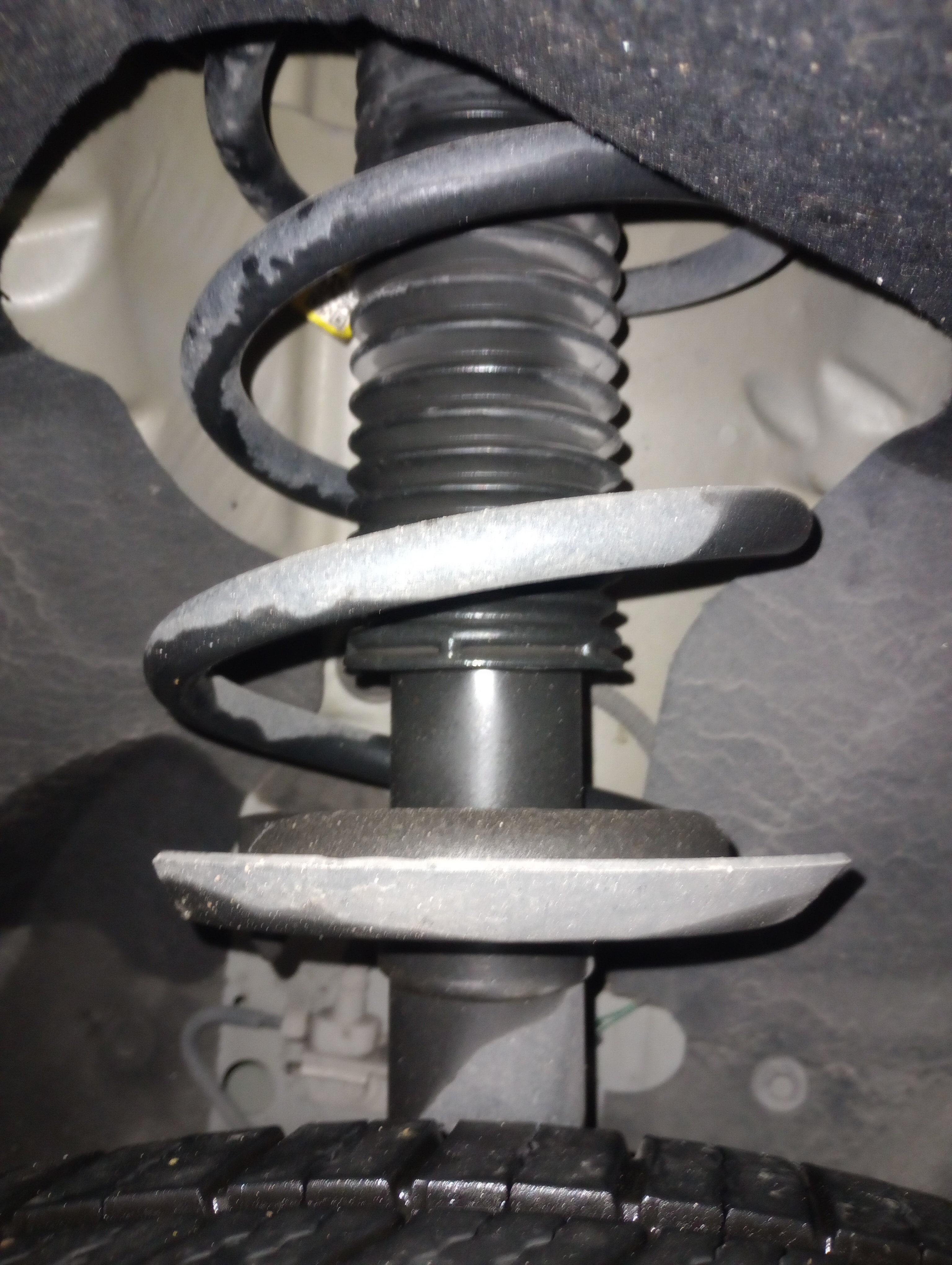
2. Worn Struts and Shocks
Struts and shocks help control vehicle movement and maintain tire contact with the road. When these components wear out, they can create squeaking, creaking, or groaning noises while turning or driving over rough surfaces.
Signs your struts or shocks may be failing include:
- Excessive bouncing after bumps
- Nose-diving when braking
- Uneven tire wear
- Reduced handling and stability
- Fluid leaks around the shock body
Many drivers don't realize their shocks and struts wear gradually over time, making it easy to adapt to a rougher ride without noticing.
3. Steering System Problems
The steering system contains several moving parts that must operate smoothly together. If any component begins to wear or lose lubrication, noises can occur when turning the wheel.
Potential steering-related causes include:
- Low power steering fluid
- Power steering fluid leaks
- Worn power steering pump
- Loose or worn serpentine belt
- Failing steering rack components
In some vehicles, a failing power steering system may also cause:
- Difficulty turning the wheel
- Whining noises
- Steering that feels heavy or inconsistent
Addressing steering concerns early can help prevent larger and more costly repairs.
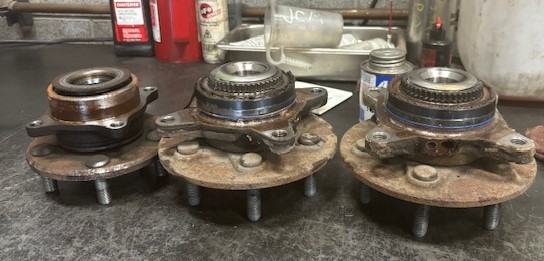
4. Failing Wheel Bearings
Wheel bearings allow your wheels to rotate smoothly while supporting the vehicle's weight. When a wheel bearing begins to wear out, it may produce a squeaking, humming, grinding, or growling sound that changes during turns.
Additional symptoms may include:
- Noise that gets louder with speed
- Vibration in the steering wheel
- Uneven tire wear
- Excessive wheel play
Because a severely worn wheel bearing can become a safety hazard, it should be inspected promptly if suspected.
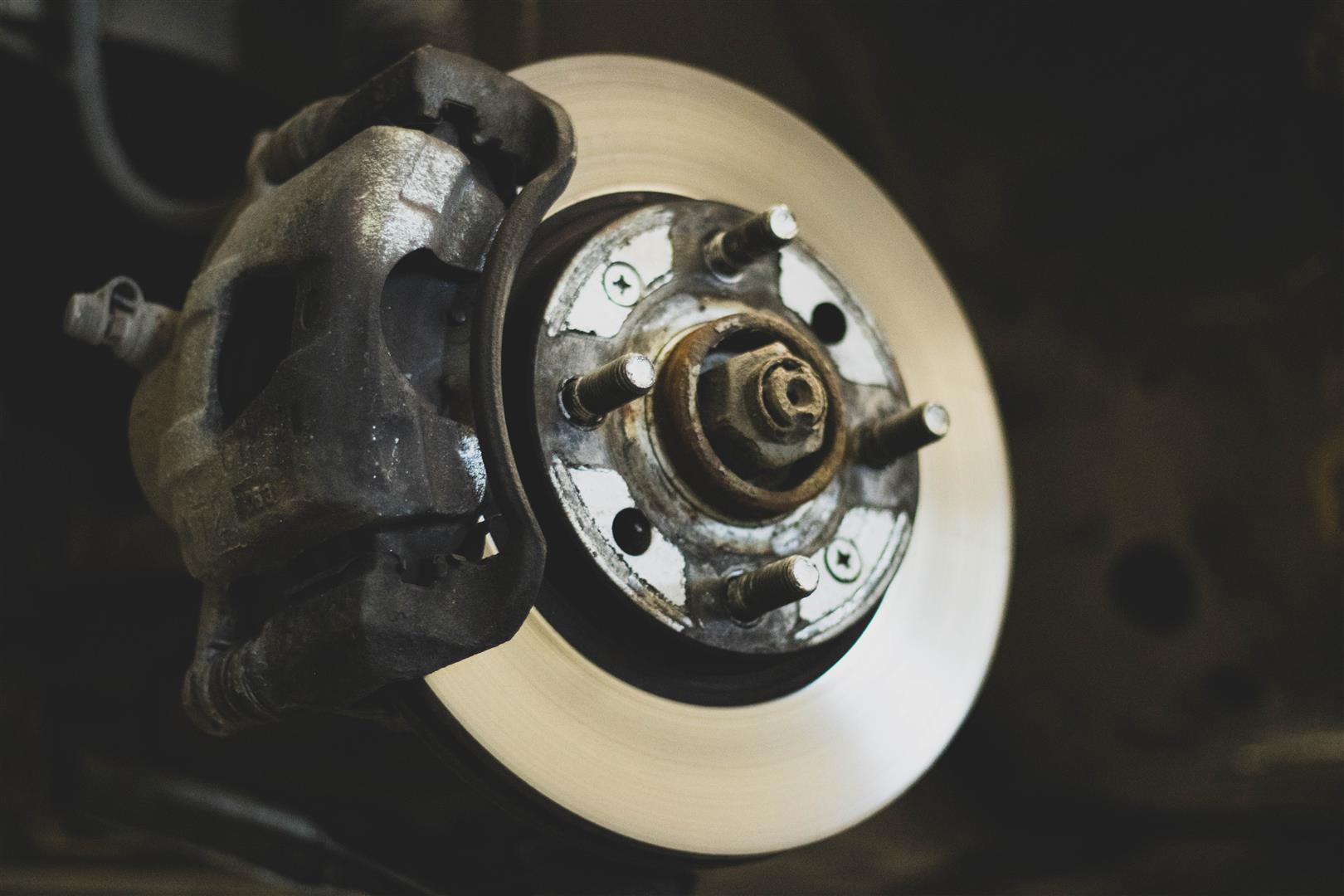
5. Brake Components Making Noise
Sometimes what sounds like a steering or suspension squeak is actually coming from the braking system.
Possible brake-related causes include:
- Worn brake pads
- Rust buildup on brake rotors
- Debris trapped between the rotor and backing plate
- Loose brake hardware
You may notice the noise more while turning if the vehicle's weight shifts and causes brake components to move slightly.
6. Environmental Factors and Weather Conditions
Not every squeak signals a major problem. Dust, dirt, moisture, road salt, and temperature changes can all contribute to temporary noises.
Common examples include:
- Suspension bushings squeaking during cold weather
- Moisture causing surface rust on brake rotors
- Dirt accumulation around moving suspension parts
If the noise disappears after the vehicle warms up or after driving for a short period, environmental conditions may be contributing. However, recurring noises should still be inspected.
When Should You Be Concerned?
While some squeaks are harmless, certain warning signs indicate the need for immediate attention:
- The noise is getting louder over time
- Steering feels loose, stiff, or difficult
- You hear clunking, popping, or grinding sounds
- The vehicle pulls while driving
- Uneven tire wear develops
- You notice vibrations in the steering wheel
These symptoms often point to components that are wearing out and could affect vehicle safety.
The Importance of Proper Diagnosis
Many steering and suspension noises can sound very similar. A squeak from a sway bar bushing can be mistaken for a ball joint, while a wheel bearing may sound like a tire issue.
That's why professional testing and inspection are often necessary. A technician can safely inspect suspension components, steering parts, brakes, and wheel bearings to pinpoint the exact source of the noise and recommend the appropriate repair.
Don't Ignore That Squeak
If your car squeaks when turning, it's best not to assume it will go away on its own. What starts as a minor squeak today could develop into a more expensive repair tomorrow.
Whether the cause is worn suspension components, steering system issues, brake concerns, or wheel bearings, addressing the problem early can help improve vehicle safety, handling, and ride comfort.
If you're hearing unusual noises while turning, schedule an inspection with a trusted automotive repair shop. A proper diagnosis can provide peace of mind and help keep your vehicle performing at its best.