Posted on 11/30/2023

What advantages are there to keeping your older vehicle operational rather than trading it in for the latest model? When we conduct a digital inspection on your car, we provide you with a comprehensive overview of its condition. While it cannot foresee every issue, it does give you a good understanding of the current and long-term maintenance needs to keep your vehicle running. Considering the average cost of a new vehicle is now well over $48,000 with a monthly payment of $700 or more, the expenses for maintaining or repairing your current car may be more manageable within your budget. Maintaining an older car instead of purchasing a new one can present numerous benefits. Primarily, it is often more economical to maintain an older vehicle, as new cars typically experience higher depreciation in the initial years. Additionally, older cars often feature simpler mechanical systems that are easier and less costly to repair, leading to reduced maintenance expenses. Moreover, older ... read more
Posted on 11/21/2023

To get the best fuel mileage in the winter, consider the following tips: 1. Properly maintain your vehicle: Ensure that your vehicle is in good condition by keeping up with regular maintenance such as oil changes, air filter replacement, and tire rotation. A well-maintained vehicle operates more efficiently and consumes less fuel. 2. Check tire pressure: Cold temperatures can cause tire pressure to drop, leading to increased rolling resistance and decreased fuel efficiency. Regularly check your tire pressure and ensure it matches the manufacturer's recommended levels. 3. Use winter tires wisely: If you live in an area with significant snowfall and icy conditions, consider using winter tires. Winter tires provide better traction and control, which can help prevent wheel spin and excessive fuel consumption. However, remember to switch back to all-season or summer tires once the winter season is over, as winter tires can increase rolling resistance on dry roads. 4. Warm up your ve ... read more
Posted on 11/3/2023

Warming up your vehicle before driving is a common practice in colder climates, but it has both pros and cons. Here are some of the advantages and disadvantages: Pros of Warming Up Your Vehicle: 1. Engine Lubrication: Warming up your vehicle allows the engine oil to reach its optimal operating temperature and flow smoothly, providing better lubrication. This helps reduce wear and tear on engine components, especially during cold starts. 2. Interior Comfort: Preheating your vehicle's interior can make it more comfortable for occupants, particularly during freezing temperatures. 3. Defrosting: Warming up the vehicle helps defrost the windows, improving visibility and ensuring safer driving conditions. 4. Battery Performance: In extremely cold weather, warming up the engine can help the vehicle's battery perform better by reducing its load. This might be especially beneficial for older or weaker batteries. Cons of Warming Up Your Vehicle: 1. Fuel Consumption: Idling the engine t ... read more
Posted on 10/17/2023

Determining whether you need snow tires or if your all-terrain tires are suitable for winter conditions depends on various factors such as your location, climate, driving conditions, and personal preferences. Here are a few considerations to help you make an informed decision: 1. Climate and Weather Conditions: Evaluate the typical winter weather in your area. If you experience heavy snowfall, icy roads, or prolonged periods of freezing temperatures, dedicated snow tires may provide better traction and handling than all-terrain tires. 2. Road Conditions: Consider the condition of the roads you frequently drive on during winter. If you often encounter unplowed or poorly maintained roads with deep snow or slush, snow tires may be beneficial due to their specialized tread patterns and rubber compounds designed for enhanced grip in winter conditions. 3. Traction and Performance: All-terrain tires are designed to provide decent performance in a wide range of conditions, including light s ... read more
Posted on 9/29/2023
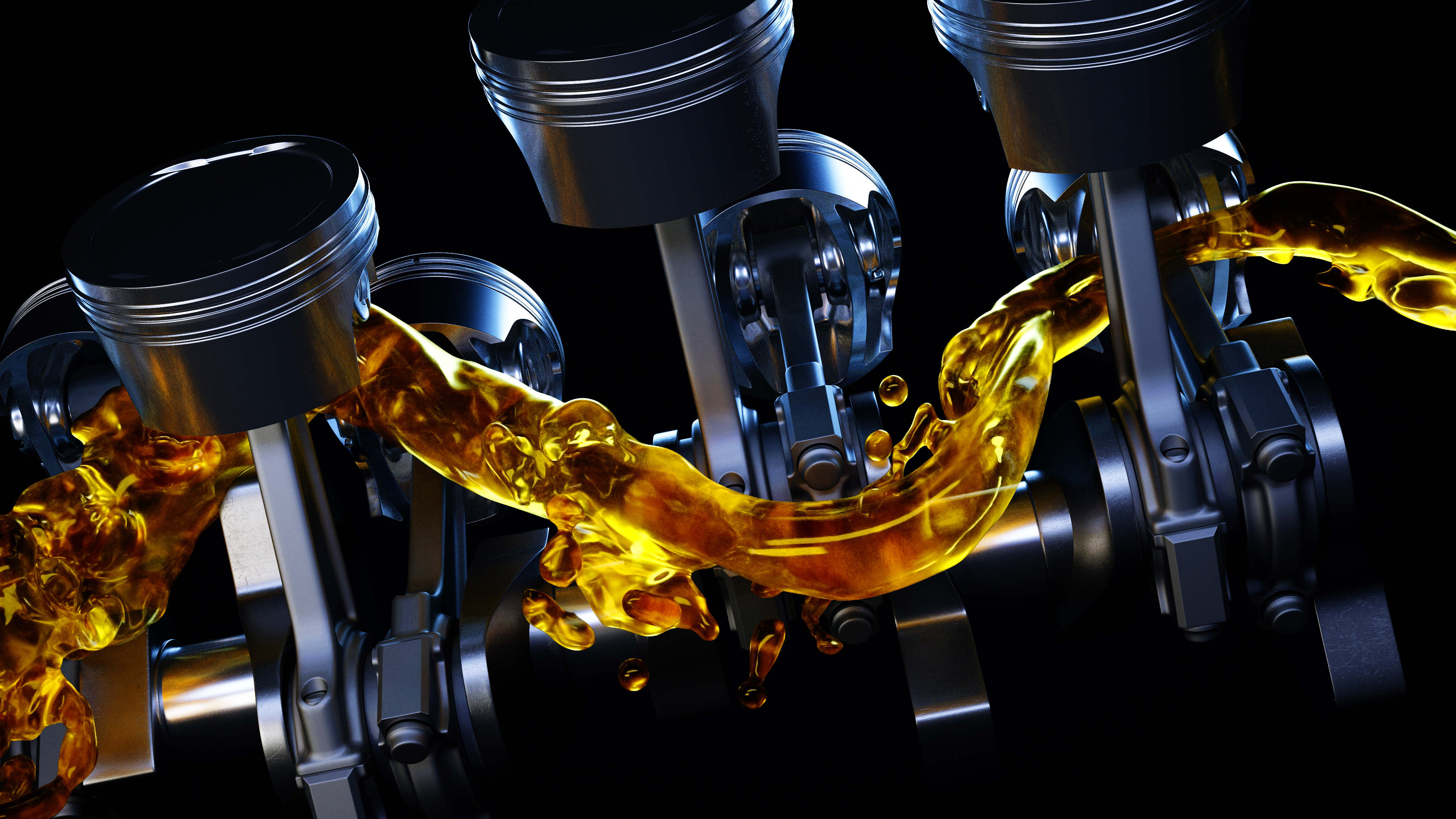
Engine oil – it's the fluid that keeps your vehicle's heart beating. Whether you're a seasoned car enthusiast or just someone who relies on their trusty ride for daily commutes, understanding the do's and don'ts of engine oil maintenance is crucial. While it is only a fluid, it directly reflects on your vehicle's lifespan and condition. The Don'ts of Engine Oil MaintenanceOverlook Oil Leaks If you spot oil stains on your driveway or garage floor, don't ignore them. Address oil leaks promptly to prevent engine damage and environmental contamination. Leaking oil not only harms your engine but also poses a risk to the environment, as it can find its way into waterways. Neglect the Oil Filter Changing the oil without replacing the oil filter is like ta ... read more