Posted on 10/7/2026
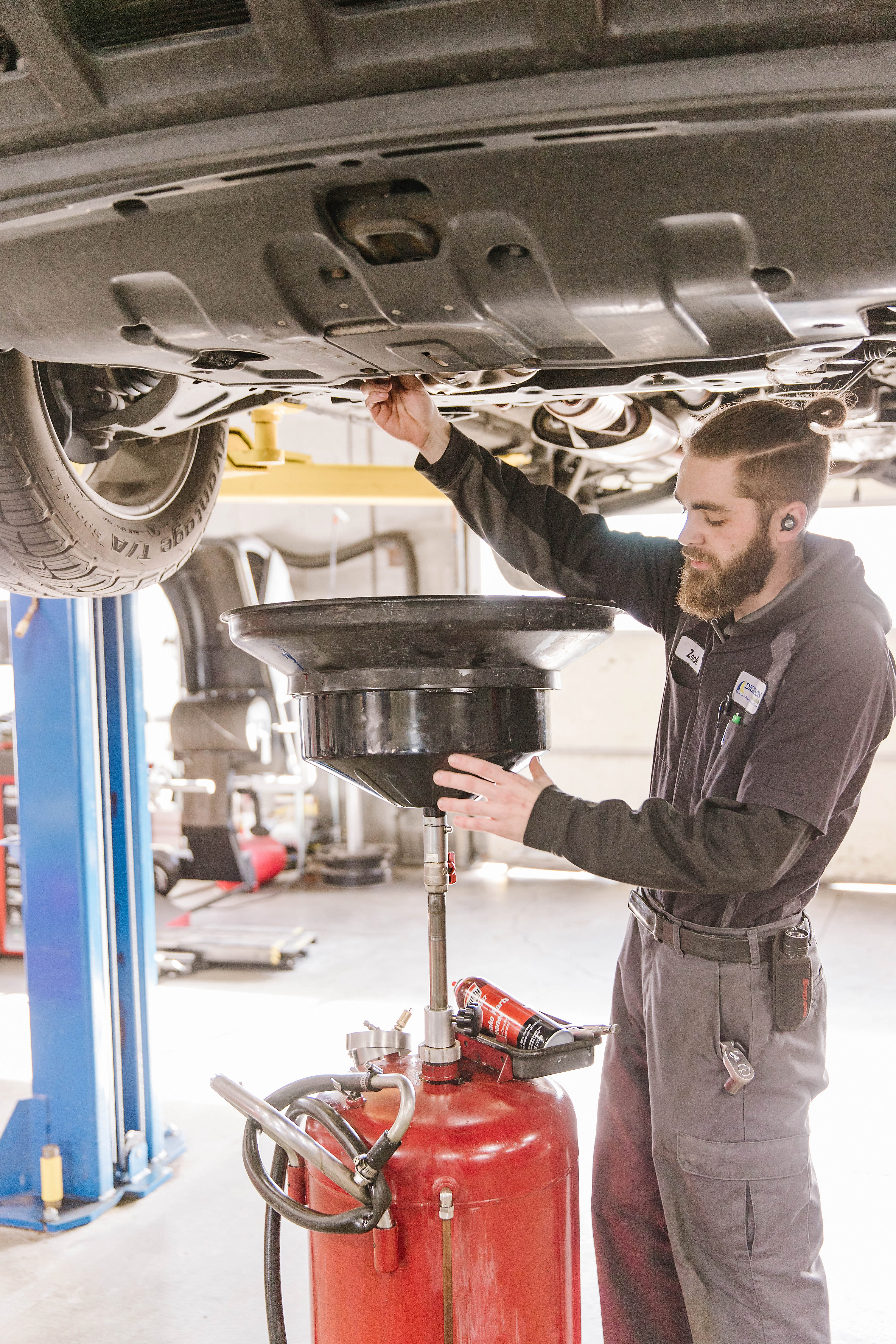
Oil changes are one of the simplest—and least expensive—maintenance services you can do for your vehicle. Yet, they’re also one of the easiest services to put off. Life gets busy. You’re working, running errands, taking the kids to activities, and suddenly that “oil change due” reminder has been on your dashboard for a few weeks. But how long can you really wait? The answer depends on your vehicle, the type of oil it uses, your driving habits, and the manufacturer's recommendations. One thing is certain: waiting too long between oil changes can turn an inexpensive maintenance service into a much more expensive repair.Why Does Your Engine Need Oil? Engine oil does much more than simply “keep things lubricated.” Inside your engine are numerous moving metal components that operate at high temperatures and speeds. Engine oil helps reduce friction between those components while also helping carry aw ... read more
Posted on 9/30/2026
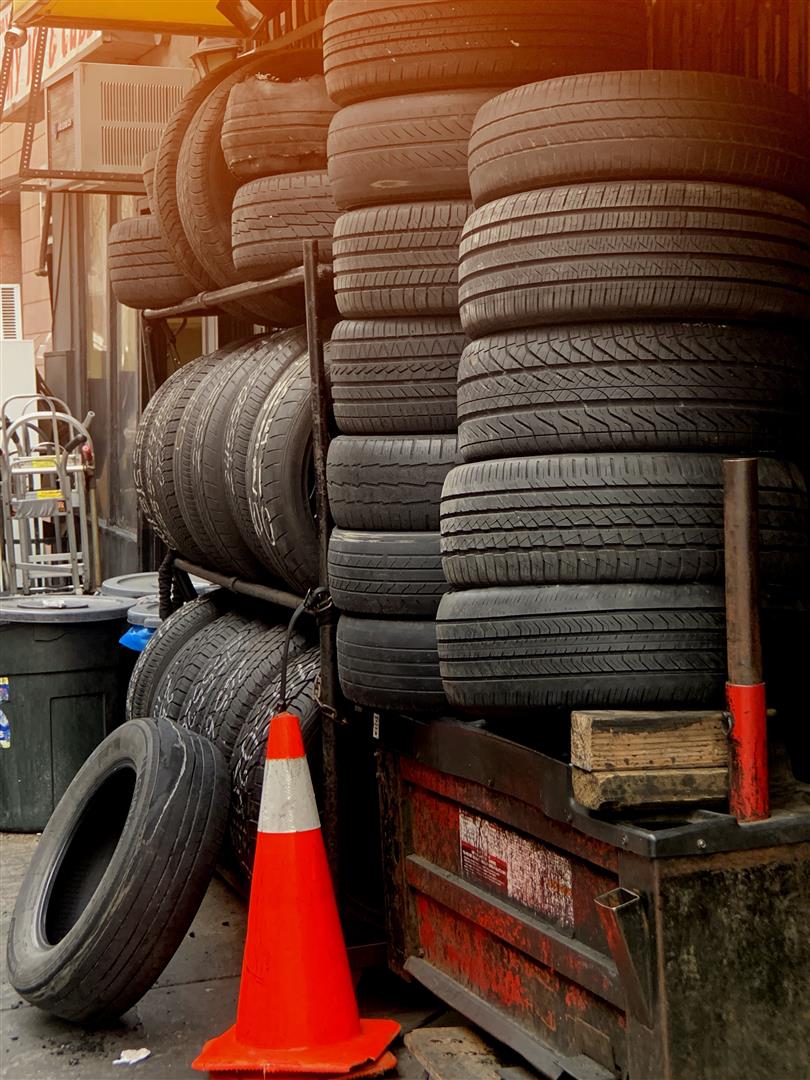
Your tires are one of the most important safety components on your vehicle. They’re your only contact with the road, helping your car, truck, or SUV accelerate, stop, and maintain control—especially when roads are wet or slippery. But how do you know when it’s time for new tires? Tire replacement isn't based on mileage alone. Tread depth, tire age, visible damage, uneven wear, and changes in vehicle handling can all be signs that your tires need to be replaced. Here are some of the most important things to look for. 1. Your Tire Tread Is Worn Down One of the most obvious reasons to replace a tire is worn tread. According to the National Highway Traffic Safety Administration (NHTSA), tires should be replaced when the tread reaches 2/32 of an inch. Tires have built-in treadwear indicators, also called wear bars, located in the grooves of the tread. When the tread is worn level with these indicators, the tire has reached its mi ... read more
Posted on 9/16/2026
30,000-Mile Vehicle Maintenance: Make a Plan to Keep Your Car Running Well Is your vehicle approaching 30,000 miles? It may be time to look beyond the oil change. Thirty thousand miles is an important maintenance milestone for many cars, trucks, and SUVs. While every vehicle has its own manufacturer-recommended maintenance schedule, this is a good time to review what your vehicle needs and start planning for upcoming maintenance. At Dickerson Automotive, we believe you shouldn't just have a repair plan—you should have a vehicle maintenance plan. Tell us how long you want to keep your vehicle. We'll help you make a plan. What Is 30,000-Mile Maintenance? A 30,000-mile service is not necessarily the same for every vehicle. Your owner's manual provides the maintenance schedule specific to your make, model, engine, and driving conditions. Some manufacturers may recommend additional inspections or services around 30,000 miles, while ... read more
Posted on 9/10/2026
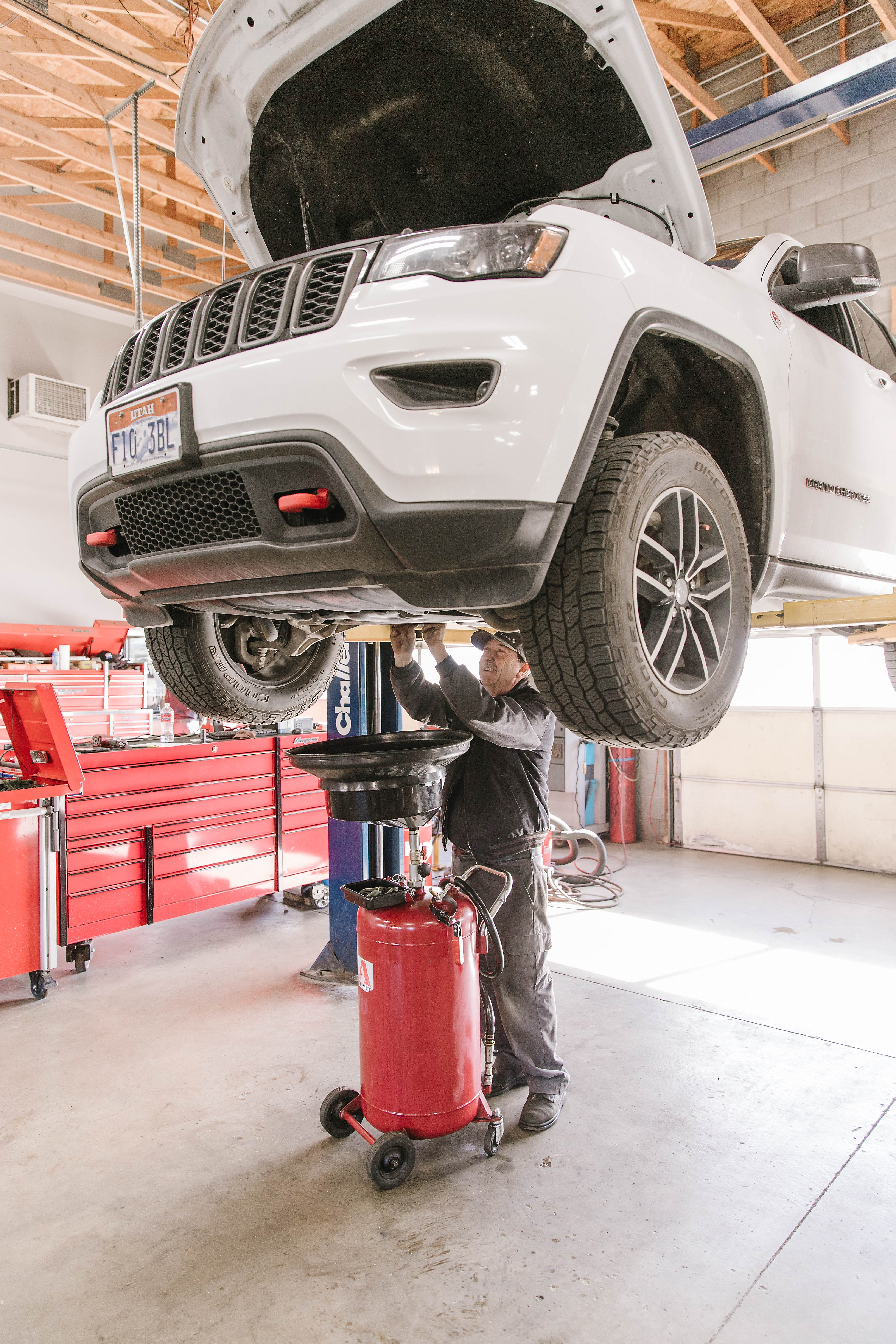
If you’ve noticed that it seems to cost more to fill up your vehicle, change your oil, or repair your car than it did a few years ago, you’re not imagining it. As an auto repair shop, we see the effects of rising costs every day—not only in what our customers pay to maintain their vehicles, but also in the cost of the parts, supplies, oil, and equipment we need to keep vehicles on the road. From the price of fuel to the price of a new vehicle, the cost of transportation has changed significantly, and it has many drivers asking an important question: Is it better to keep maintaining the vehicle I have or replace it with something newer?The Cost of Fuel Affects More Than Your Trip to the Gas Station The price of gasoline is one of the most noticeable costs of owning a vehicle. Fuel prices can change based on crude oil prices, refining costs, supply and demand, transportation, taxes, and other market conditions. When fuel prices increa ... read more
Posted on 9/9/2026
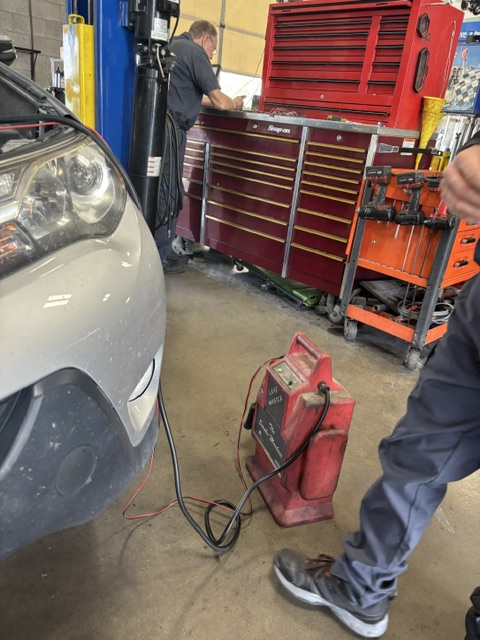
Have you ever had your check engine light come on, only to have your vehicle seem to be running perfectly? One possible reason is a problem with the evaporative emissions system, commonly called the EVAP system. An EVAP leak is a common reason for a check engine light, and while your vehicle may still drive normally, it is important to have the problem diagnosed rather than simply ignoring the warning light. What Is the EVAP System? The EVAP system is designed to prevent gasoline vapors from escaping into the atmosphere. Instead of allowing fuel vapors from the gas tank to vent into the air, the system captures and stores those vapors until they can be safely burned by the engine. The EVAP system includes several components, including: Fuel tank Gas cap or fuel filler system EVAP hoses and lines Charcoal canister Purge valve Vent valve EVAP pressure sensor All of these components work together to cont ... read more