Have you ever walked out to your vehicle, noticed a puddle underneath it, and wondered, "What is leaking from my car?"
A small spot on your driveway might not seem like a big deal, but a vehicle leak can sometimes be an early warning sign of a much bigger problem. From engine oil and coolant to transmission fluid and brake fluid, your vehicle relies on several fluids to keep everything running safely and smoothly.
The important thing is knowing what to look for, when to stop driving, and when to have your vehicle inspected by a professional mechanic.
1. Identify Where the Leak Is Coming From
One of the first things you can do is take a closer look at where the puddle is located. The color, consistency, smell, and location of the fluid can provide helpful clues about what might be leaking.
Here are some common vehicle fluids to watch for:
Engine Oil: Usually amber, brown, or black. An oil leak may come from the oil pan, valve cover gasket, timing cover, or other engine seals.
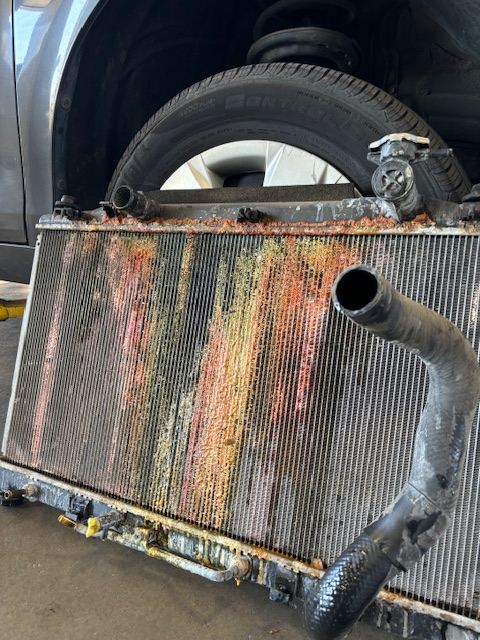
Coolant (Antifreeze): Often green, orange, pink, yellow, or blue. Coolant leaks can come from hoses, the radiator, water pump, or other cooling system components.
Transmission Fluid: Often red or pink when fresh, but it can become darker as it ages. A transmission fluid leak may indicate a damaged seal, line, or transmission component.
Brake Fluid: Usually clear to light amber and has a slippery feel. A brake fluid leak is especially serious because it can affect your ability to stop safely.
Power Steering Fluid: Depending on the vehicle, it may be clear, amber, pink, or reddish. A leak can cause difficulty steering or whining noises.
Water: Clear, odorless water underneath your vehicle may simply be condensation from your air conditioning system. This is generally normal, especially after using the AC.
Remember: Fluid color is only a starting point. Different manufacturers use different fluids, and some fluids can look similar. Never taste or directly touch an unknown fluid to identify it.
2. Pay Attention to Warning Signs
A puddle isn't the only indication that your vehicle may have a leak. Watch for other symptoms that could help identify the problem.
Some common warning signs include:
A burning smell coming from your vehicle.
Smoke or steam coming from under the hood.
Your temperature gauge climbing higher than normal.
A low oil, coolant, or brake fluid warning light.
Difficulty steering.
Grinding, whining, or unusual noises.
Fluid levels that continue to drop.
Spots or puddles appearing in your driveway or parking space.
If you notice these symptoms, don't wait for the problem to get worse.
3. Should You Keep Driving With a Fluid Leak?
This is one of the most important questions to ask.
The answer depends on what is leaking and how severe the leak is.
Some leaks may allow you to safely arrange an inspection, while others require you to stop driving immediately.
Stop driving and arrange a tow if:
You suspect a brake fluid leak or notice a change in braking performance.
Your engine is overheating or steam is coming from under the hood.
You see a significant oil leak or your oil pressure warning light comes on.
You smell gasoline or suspect a fuel leak.
You notice a major loss of steering assistance.
Continuing to drive with certain fluid leaks can lead to expensive engine or transmission damage, or even create a safety hazard.
When in doubt, it's always better to have your vehicle checked before driving it again.

4. Don't Assume Every Leak Is a Major Repair
Not every puddle underneath your vehicle means something expensive has gone wrong.
Sometimes a leak can be caused by a worn gasket, loose connection, deteriorated hose, or damaged seal. Other times, what looks like a leak may simply be normal condensation from your air conditioning system.
The key is finding the actual source of the fluid.
For example, an oil spot underneath your vehicle could be coming from several different places. Replacing a part without properly identifying the source may not solve the problem.
A professional vehicle inspection can help determine where the leak is coming from, what caused it, and what repairs are necessary.
5. Have Your Vehicle Inspected Before the Problem Gets Worse
Ignoring a small leak can turn into a much bigger repair. Low fluid levels can cause components to wear prematurely, overheat, or fail.
At Dickerson Automotive, we believe in finding the source of the problem rather than simply treating the symptoms. Our technicians can inspect your vehicle, identify the leak, and explain the recommended repairs so you can make an informed decision.
Whether you're dealing with an engine oil leak, coolant leak, transmission fluid leak, or another vehicle fluid concern, getting it checked early can help protect your vehicle and your wallet.
Don't Ignore That Puddle!
If you've noticed a leak in your driveway, parking space, or garage, don't just wipe it away and hope it disappears.
A little attention now could help prevent a much bigger repair later.
Need help identifying a leak from your vehicle? Schedule an inspection with Dickerson Automotive in Spanish Fork, Utah. We're here to help keep your vehicle safe, reliable, and running smoothly!
Sources
AAA – Identify Car Leaks Like a Pro – Identifying common vehicle fluids.
Federal Trade Commission – Auto Repair Basics – Understanding fluid colors and vehicle warning signs.
NHTSA – Vehicle Fluid Maintenance – Checking vehicle fluids and addressing leaks.