Your tires are one of the most important safety components on your vehicle. They’re your only contact with the road, helping your car, truck, or SUV accelerate, stop, and maintain control—especially when roads are wet or slippery.
But how do you know when it’s time for new tires?
Tire replacement isn't based on mileage alone. Tread depth, tire age, visible damage, uneven wear, and changes in vehicle handling can all be signs that your tires need to be replaced.
Here are some of the most important things to look for.
1. Your Tire Tread Is Worn Down
One of the most obvious reasons to replace a tire is worn tread.
According to the National Highway Traffic Safety Administration (NHTSA), tires should be replaced when the tread reaches 2/32 of an inch. Tires have built-in treadwear indicators, also called wear bars, located in the grooves of the tread. When the tread is worn level with these indicators, the tire has reached its minimum tread depth.
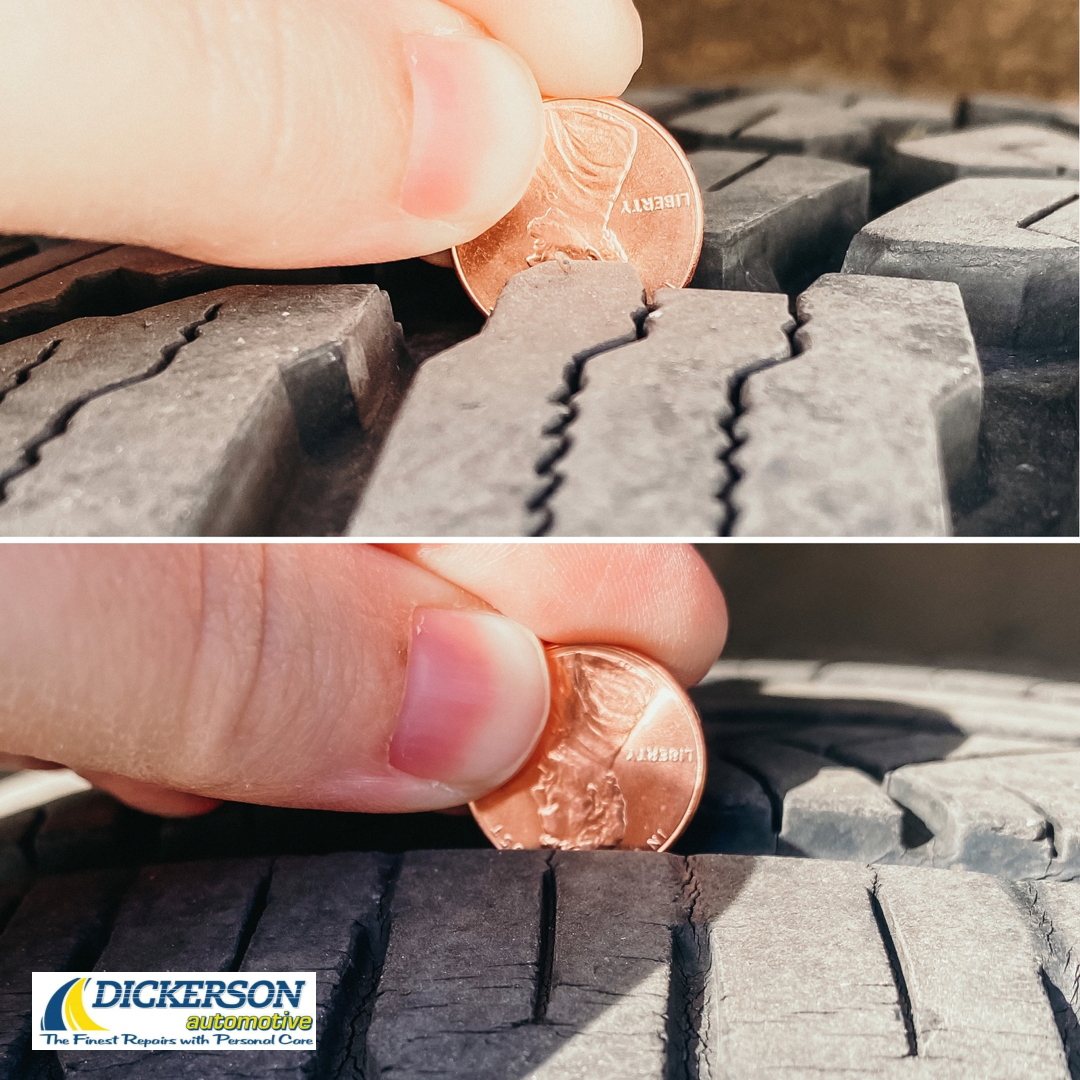
You can also perform a quick penny test:
- Place a penny into a tread groove with Lincoln's head facing downward.
- If you can see the top of Lincoln's head, your tread is at or below 2/32 of an inch.
- That means it's time to have your tires replaced.
Keep in mind that 2/32 of an inch is a minimum threshold, not necessarily the point at which your tires will provide their best wet-weather performance.
2. You Notice Cracks, Bulges, or Other Damage
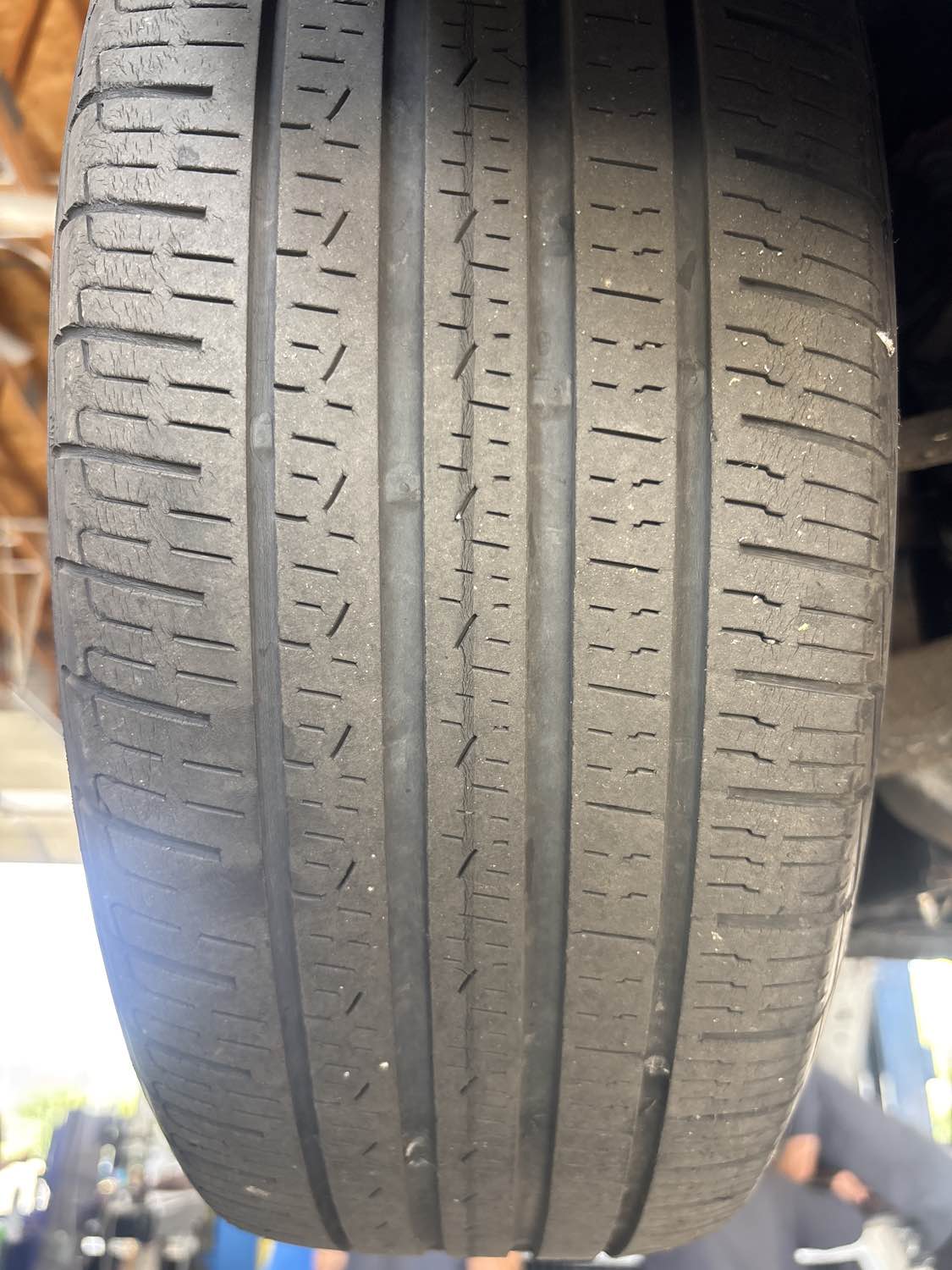
Tires can become damaged even when they still have plenty of tread.
Inspect the sidewalls and tread for:
- Cracks
- Cuts
- Bulges or bubbles
- Punctures
- Exposed cords
- Separations
- Impact damage
A bulge in the sidewall, for example, can indicate damage to the tire's internal structure. NHTSA recommends replacing tires when physical damage or other conditions make them unsafe for continued use.
If you notice unusual damage, don't wait until the tire fails. Have it inspected by a qualified tire professional.
3. Your Tires Are Getting Old
Tires don't last forever—even if they still have tread.
Rubber and other tire components can deteriorate over time because of factors such as heat, sunlight, storage conditions, inflation, and use.
Some vehicle and tire manufacturers recommend replacing tires somewhere between 6 and 10 years old, regardless of remaining tread. Because recommendations can vary, it's important to check your vehicle and tire manufacturer's guidelines.
How do you check the age of your tires?
Look at the sidewall for the tire's DOT Tire Identification Number (TIN). The last four digits identify the week and year the tire was manufactured.
For example, a DOT code ending in 2321 means the tire was manufactured during the 23rd week of 2021.
4. Your Tires Are Wearing Unevenly
Take a look across the entire tread—not just the center.
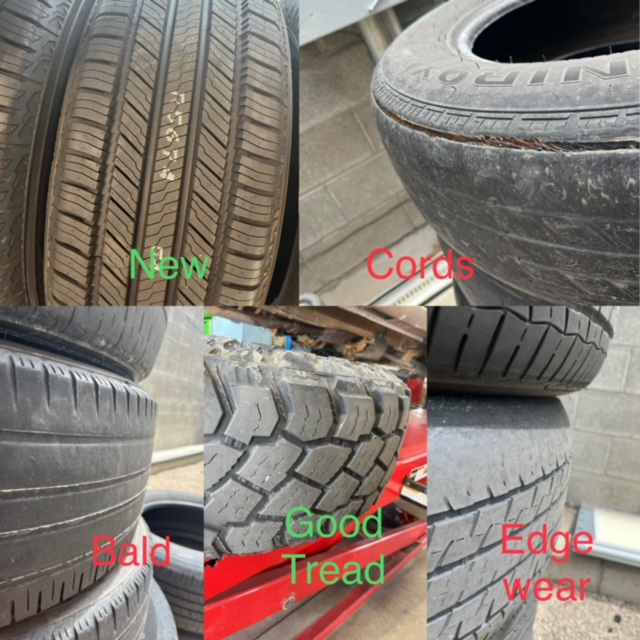
Uneven tire wear can show up as:
- More wear on the inside or outside edge
- Excessive center wear
- Cupping or scalloping
- Flat spots
- Uneven wear from one tire to another
Uneven wear can be related to tire inflation, alignment, balancing, suspension components, or other vehicle issues. NHTSA notes that wheel alignment and proper tire maintenance can help maximize tire life and reduce irregular wear.
If your tires are wearing unevenly, replacing the tires may only be part of the solution. Your vehicle should also be inspected to determine why the tires are wearing that way.
5. Your Vehicle Doesn't Handle the Same
Sometimes your vehicle can tell you that something is wrong before you notice a problem with the tires themselves.
Have your tires inspected if you notice:
- Increased vibration
- Pulling while driving
- Changes in steering or handling
- Reduced traction
- More road noise than usual
- Difficulty maintaining proper tire pressure
These symptoms don't always mean you need new tires. They can also be caused by alignment, balance, suspension, or other mechanical issues. A professional inspection can help determine the cause.
6. Your Tires Aren't Holding Air
If you're constantly adding air to the same tire, don't simply keep filling it and hope for the best.
A tire that repeatedly loses pressure could have:
- A puncture
- Valve stem problems
- Wheel damage
- A bead leak
- Other tire damage
Proper tire inflation is important for both safety and tire life. NHTSA recommends checking tire pressure regularly and using the vehicle manufacturer's recommended pressure, which can typically be found on the driver's door-jamb label or in the owner's manual.
How Often Should You Check Your Tires?
NHTSA recommends checking your tires at least once a month, including tread wear and tire pressure. It's also a good idea to inspect them before a long road trip.
Don't forget to check your spare tire, too. Spare tires can age even though they're rarely used.
Don't Wait for a Blowout to Replace Your Tires
There's more to tire safety than simply looking at how much tread is left.
Tire age, damage, uneven wear, inflation problems, and changes in handling can all be reasons to have your tires inspected.
If you're unsure whether your tires have enough life left, a professional inspection can give you a better idea of their condition and whether it's time to start shopping for a new set.
Need Your Tires Checked?
Not sure if your tires are ready for another season? Bring your vehicle in for a tire inspection. We can check tread depth, tire condition, wear patterns, inflation, and other potential issues to help you determine whether your tires are ready for the road.
Don't wait until a worn or damaged tire becomes a bigger problem. Schedule your tire inspection today.