Posted on 4/1/2026
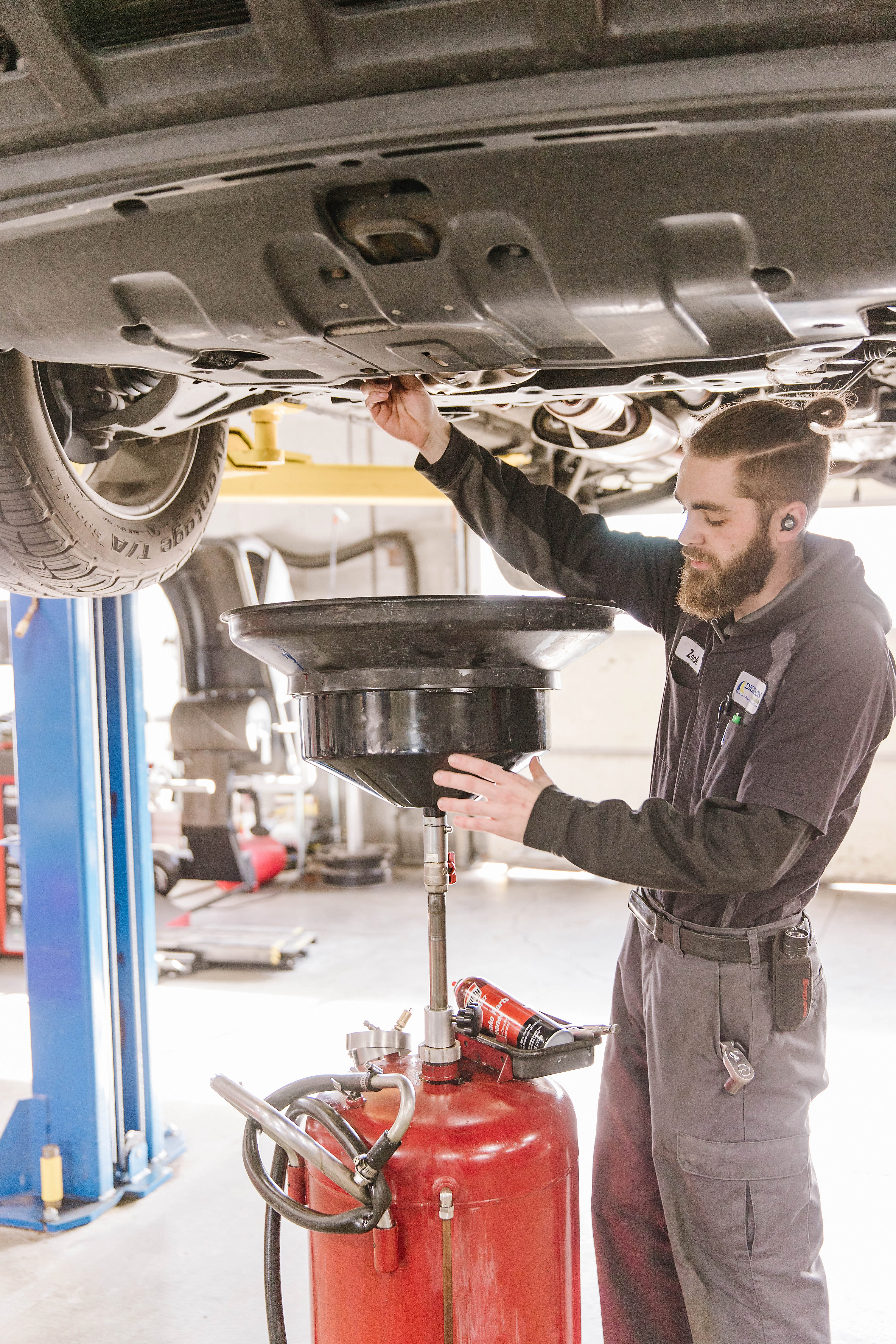
How to Know What Maintenance Your Vehicle Needs—and When Keeping up with vehicle maintenance can feel overwhelming. Between advice from your vehicle’s manufacturer and recommendations from your local shop, it’s not always easy to know what your car actually needs—or when it needs it. So how do you make the right decision for both your vehicle and your budget? Let’s break it down. Why Maintenance Schedules Can Be Confusing Every vehicle comes with a manufacturer-recommended maintenance schedule—designed to help keep your car running efficiently and prevent costly repairs down the road. However, there are times when your repair shop’s recommendations may not perfectly match what’s outlined in your owner’s manual. This can leave you wondering: “Am I being upsold?” “Is this really necessary?” “Can this wait?” The reality is, both the manufacturer and ... read more
Posted on 3/18/2026
.jpeg)
How Regular Car Maintenance Improves Fuel Efficiency Every penny counts, especially when it comes to the money you spend at the gas pump. Many drivers keep a close eye on their miles per gallon (MPG), but not everyone realizes that routine car maintenance plays a huge role in fuel efficiency. With modern vehicles using advanced fuel systems, sensors, and computer controls, keeping up with scheduled maintenance is more important than ever. If you want to get the best fuel economy, performance, and engine life, these simple maintenance services can help you save money on gas and avoid costly repairs. Motor Oil Matters More Than Ever Always use the manufacturer-recommended motor oil for your vehicle. Modern engines are designed with tight tolerances, and the wrong oil viscosity can reduce fuel efficiency and cause engine wear. Many vehicles require full synthetic oil ... read more
Posted on 10/23/2025
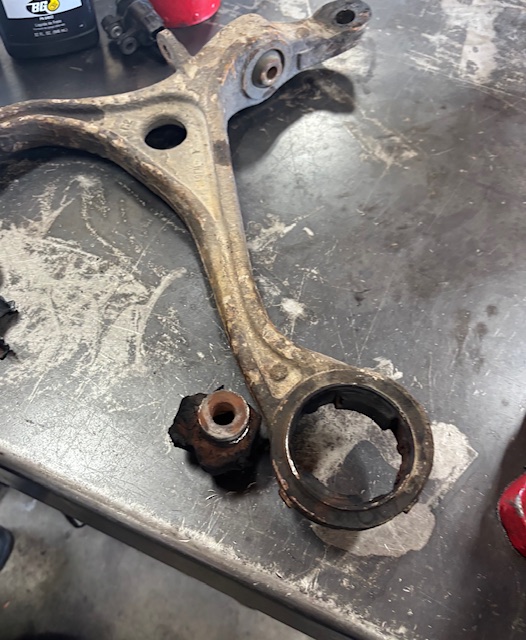
Why Repairs Get Harder as Your Car Gets Older As your vehicle ages, regular maintenance and repairs can start to take a little longer — and sometimes cost a little more. It’s not because technicians are taking their time; it’s because older parts don’t always cooperate like they used to. Over the years, exposure to the elements and everyday driving conditions can take a toll on even the best-maintained vehicles. Corrosion and Rust: The Silent Culprits One of the biggest challenges with aging vehicles is corrosion. Moisture, humidity, and oxygen cause metal components to slowly rust. Add in Utah’s winter road salt, and corrosion can happen even faster. That white crusty buildup you sometimes see on bolts or undercarriage parts? That’s oxidation — and it can make simple repairs much more difficult. When metal parts fuse together with rust, bolts seize, brackets break, and lines can become fragile. A job that m ... read more
Posted on 9/24/2025
.jpg)
The Importance of Preventative Maintenance for Your Vehicle When it comes to owning a vehicle, most drivers focus on filling the gas tank, changing the oil occasionally, and keeping it clean. But what many overlook is one of the most important aspects of car ownership: preventative maintenance. Preventative maintenance is all about taking care of your vehicle before problems arise. It involves routine inspections, services, and small repairs that help keep your car running smoothly and safely. Think of it like going to the doctor for a check-up—catching issues early can save you time, money, and frustration down the road. Why Preventative Maintenance MattersSaves Money in the Long Run Skipping maintenance might feel like you’re saving money now, but small issues can quickly turn into costly repairs. For example, ignoring a simple oil change can lead to engine damage that costs thousands to fix ... read more
Posted on 9/17/2025
How Much Is My Car Worth? Should I Repair or Replace It? One of the most common questions car owners ask is: “How much is my car worth?” When a repairs large or small come up with your current vehicle makes you stop and think, Is this worth fixing? Should I just buy new? Knowing the answer helps you decide whether it makes more sense to invest in repairs or start shopping for something new. Step 1: Check Online Car Value Tools There are several free resources that give you an estimate of your car’s value: Kelley Blue Book (KBB.com)Edmunds.comNADA GuidesLocal dealership trade-in tools These sites ask for your vehicle’s year, make, model, mileage, and condition. Once entered, you’ll get a price range ... read more