Posted on 6/3/2026
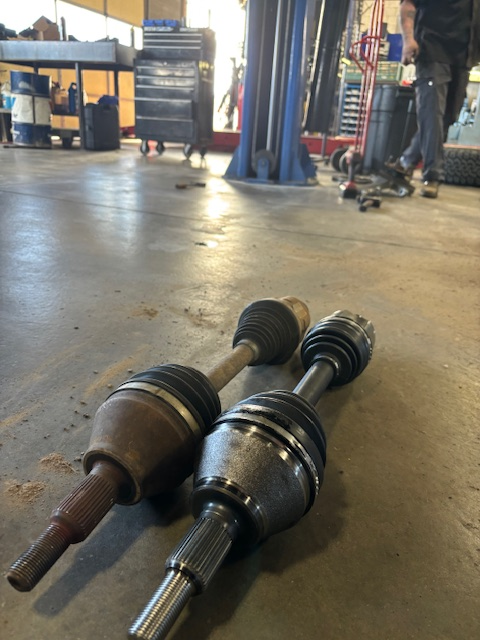
Why Does My Car Squeak When I Turn? Common Causes, Warning Signs, and Solutions Have you noticed a squeaking, creaking, or chirping noise when turning your steering wheel? While it may seem like a minor annoyance, unusual noises when turning can be your vehicle's way of warning you that something needs attention. A squeak when turning can originate from several different systems, including your suspension, steering, brakes, or wheel bearings. Ignoring the noise could lead to more expensive repairs and, in some cases, safety concerns. Understanding the possible causes can help you know when it's time to have your vehicle inspected. 1. Worn or Dry Suspension Components Your suspension system is designed to absorb bumps and keep your vehicle stable on the road. As suspension components age, rubber bushings can dry out, crack, or wear down, causing squeaking noises during turns and over bumps. Common suspension components that may squeak include: Ball joints Control arm bush ... read more
Posted on 5/5/2026
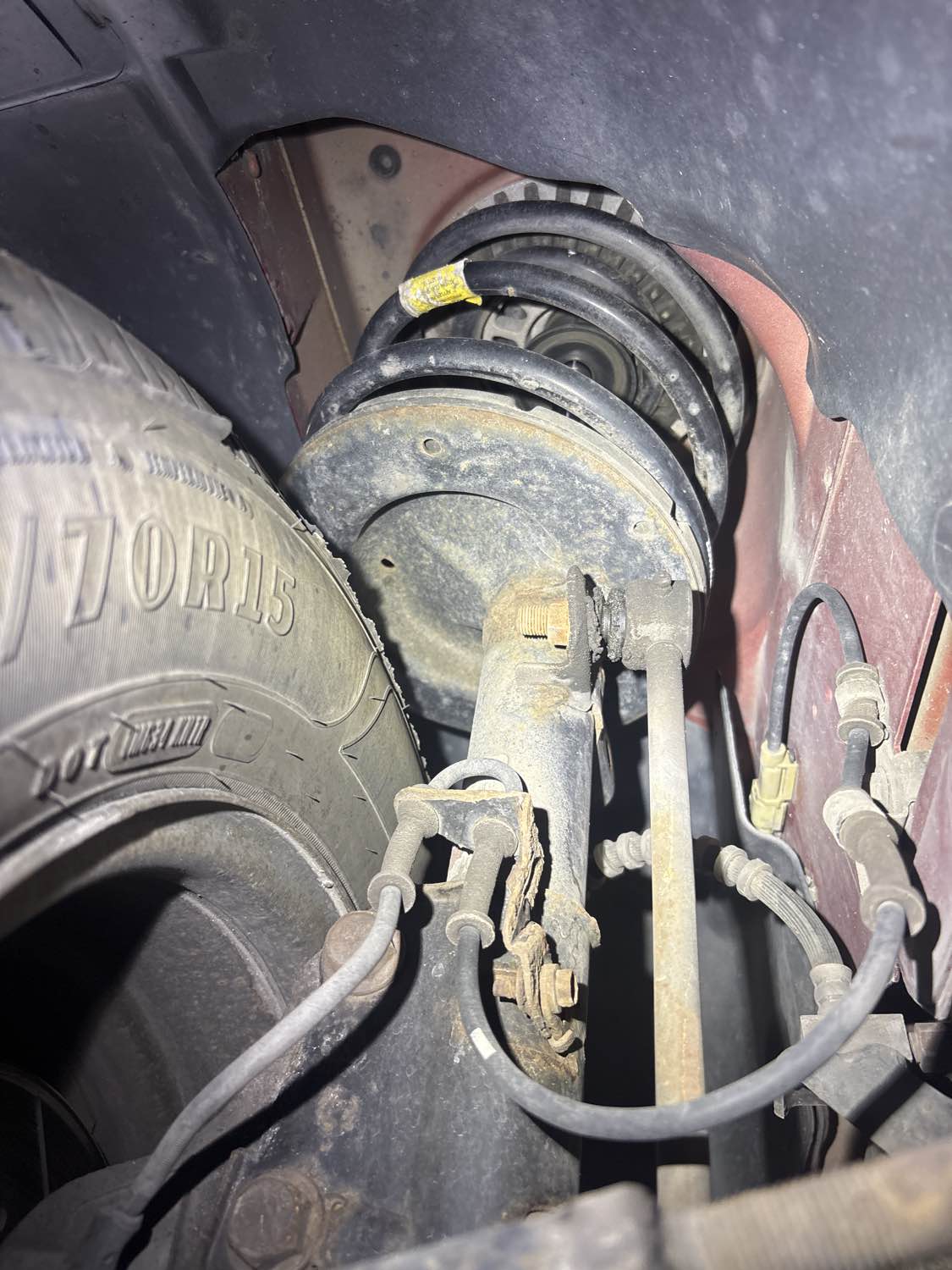
When it comes to vehicle maintenance, struts are often overlooked—but they play a critical role in your car’s safety, comfort, and overall performance. If your ride has started to feel rough or unstable, worn struts could be the reason. Let’s take a closer look at what struts do and why replacing them matters. What Are Struts? Struts are a key part of your vehicle’s suspension system. They help: Absorb shocks from the road Keep your tires in contact with the pavement Support the weight of your vehicle Provide stability when turning, braking, and accelerating Unlike shocks, struts are a structural component, meaning they directly impact alignment and handling. Top Benefits of Replacing Worn Struts1. Improved Ride Comfort If your vehicle feels bouncy or rough over bumps, worn struts may no longer be absorbing impact properly. New struts restore a smoother, more comfortable ride. ... read more
Posted on 4/15/2026
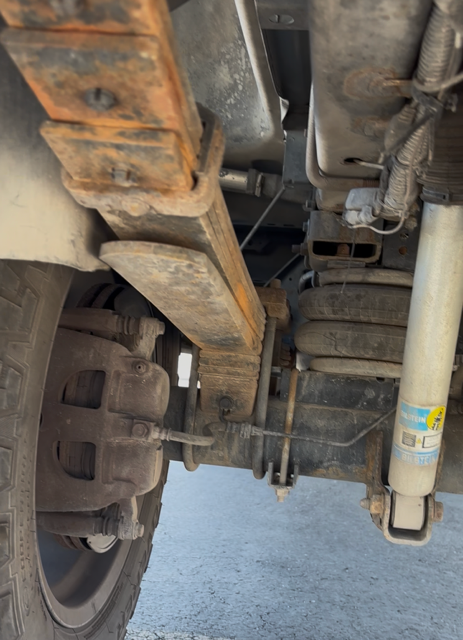
Rear Suspension Explained: Leaf Springs vs. Shocks vs. Air Bags—What’s the Difference? When it comes to your vehicle’s performance, comfort, and towing capability, rear suspension plays a huge role. Whether you’re hauling heavy loads, towing a trailer, or just commuting daily, understanding how your rear suspension works—and why different setups exist—can help you make smarter decisions for your vehicle. So why do some vehicles use leaf springs, others rely on shocks, and some upgrade to air bags? Let’s break it down. What Does Rear Suspension Actually Do? Your rear suspension is responsible for: Supporting the weight of your vehicle and cargo Absorbing bumps and road imperfections Maintaining tire contact with the road Keeping your ride stable and controlled Different suspension setups are designed for different needs—comfort, load capacity, durability, or performance. Le ... read more
Posted on 10/23/2025
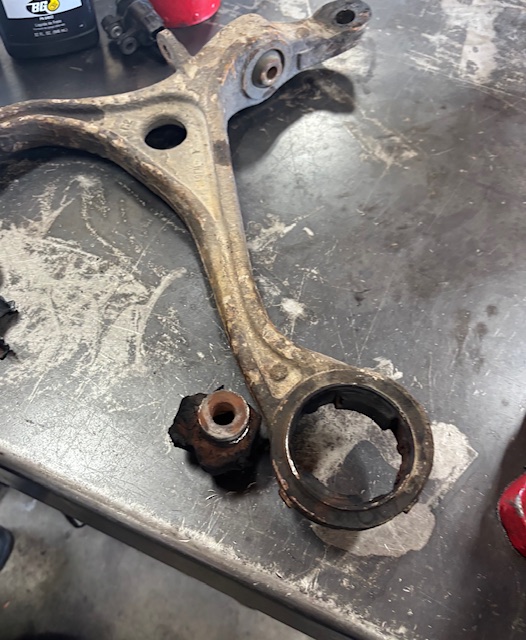
Why Repairs Get Harder as Your Car Gets Older As your vehicle ages, regular maintenance and repairs can start to take a little longer — and sometimes cost a little more. It’s not because technicians are taking their time; it’s because older parts don’t always cooperate like they used to. Over the years, exposure to the elements and everyday driving conditions can take a toll on even the best-maintained vehicles. Corrosion and Rust: The Silent Culprits One of the biggest challenges with aging vehicles is corrosion. Moisture, humidity, and oxygen cause metal components to slowly rust. Add in Utah’s winter road salt, and corrosion can happen even faster. That white crusty buildup you sometimes see on bolts or undercarriage parts? That’s oxidation — and it can make simple repairs much more difficult. When metal parts fuse together with rust, bolts seize, brackets break, and lines can become fragile. A job that m ... read more
Posted on 10/15/2025
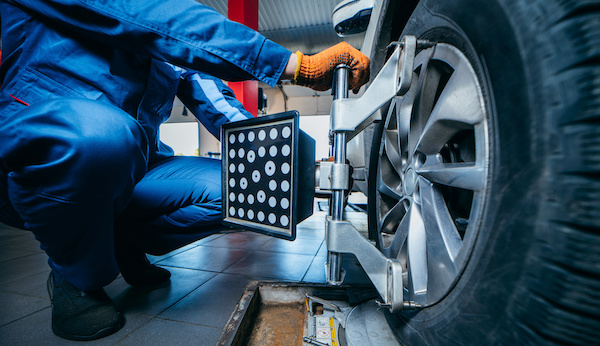
Understanding Your Alignment Readings When your shop hands you an alignment printout, do you really know what all those numbers and terms mean—or do you just notice the Christmas colors of red and green? Most of us understand that red means bad and green means good, but what exactly do those colors represent? Let’s break down the three main terms you’ll see on your alignment report: caster, camber, and toe.Caster Caster measures how far forward or backward the steering axis tilts compared to the vertical axis of the wheel. It affects steering stability, steering effort, and how well your vehicle tracks straight down the road. Positive caster helps keep your steering wheel centered and improves high-speed stability. Negative caster makes steering feel lighter but ... read more