Posted on 9/2/2026
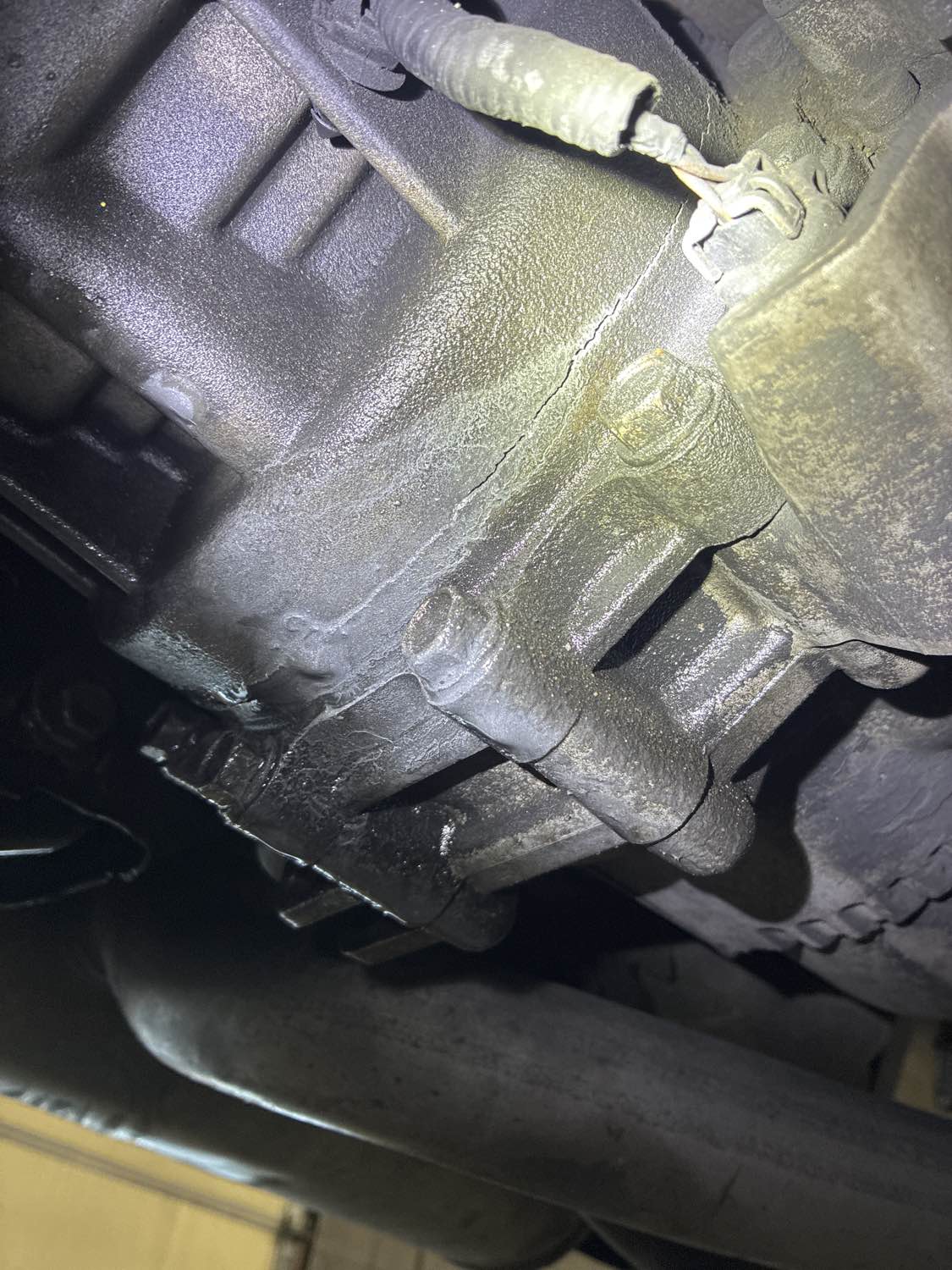
Jeep Cherokee Rear Differential Problems: Cracks, Leaks & RDM Failures If you own a Jeep Cherokee with four-wheel drive, your rear differential is an important part of the vehicle's drivetrain. It helps transfer power to the rear wheels and allows the wheels to rotate at different speeds when you turn. But what happens when the rear differential begins to leak—or worse, the housing develops a crack? Some Jeep Cherokee owners have reported cracked or leaking rear differential housings, along with other problems involving the Rear Drive Module, commonly called the RDM. Owner complaints have been documented on several model years, including reports of cracked housings on 2015 and 2019 Cherokees. This doesn't mean every Jeep Cherokee will experience this problem. However, knowing the warning signs can help you catch a drivetrain problem before it turns into a much more expensive repair. What ... read more
Posted on 4/22/2026
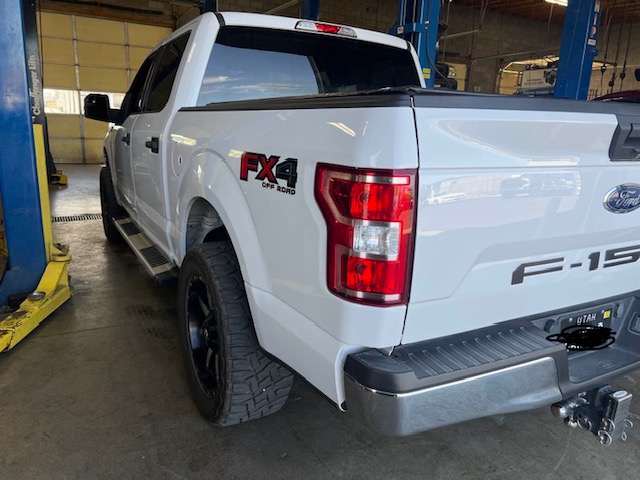
Why Higher Octane Fuel Can Reduce Engine Knock in a 2019 Ford F-150 If you’ve ever noticed a pinging or knocking sound from your engine—especially when accelerating or climbing a hill—you may be experiencing early detonation, also known as spark knock. We recently inspected a 2019 Ford F-150 with this exact concern. After checking for any major issues and performing a fuel induction service, the noise was still present. Since no serious problems were found, the next step we recommended was trying a higher-grade fuel. In some cases, this can reduce or even eliminate the noise—but is it actually fixing the problem, or just masking it? Let’s break it down. What Is Early Detonation? Under normal conditions, your engine’s air/fuel mixture ignites at a precise moment, controlled by the spark plug. This creates a smooth, controlled burn that pushes the piston down efficiently. Early detonation happens when that ... read more
Posted on 5/14/2025
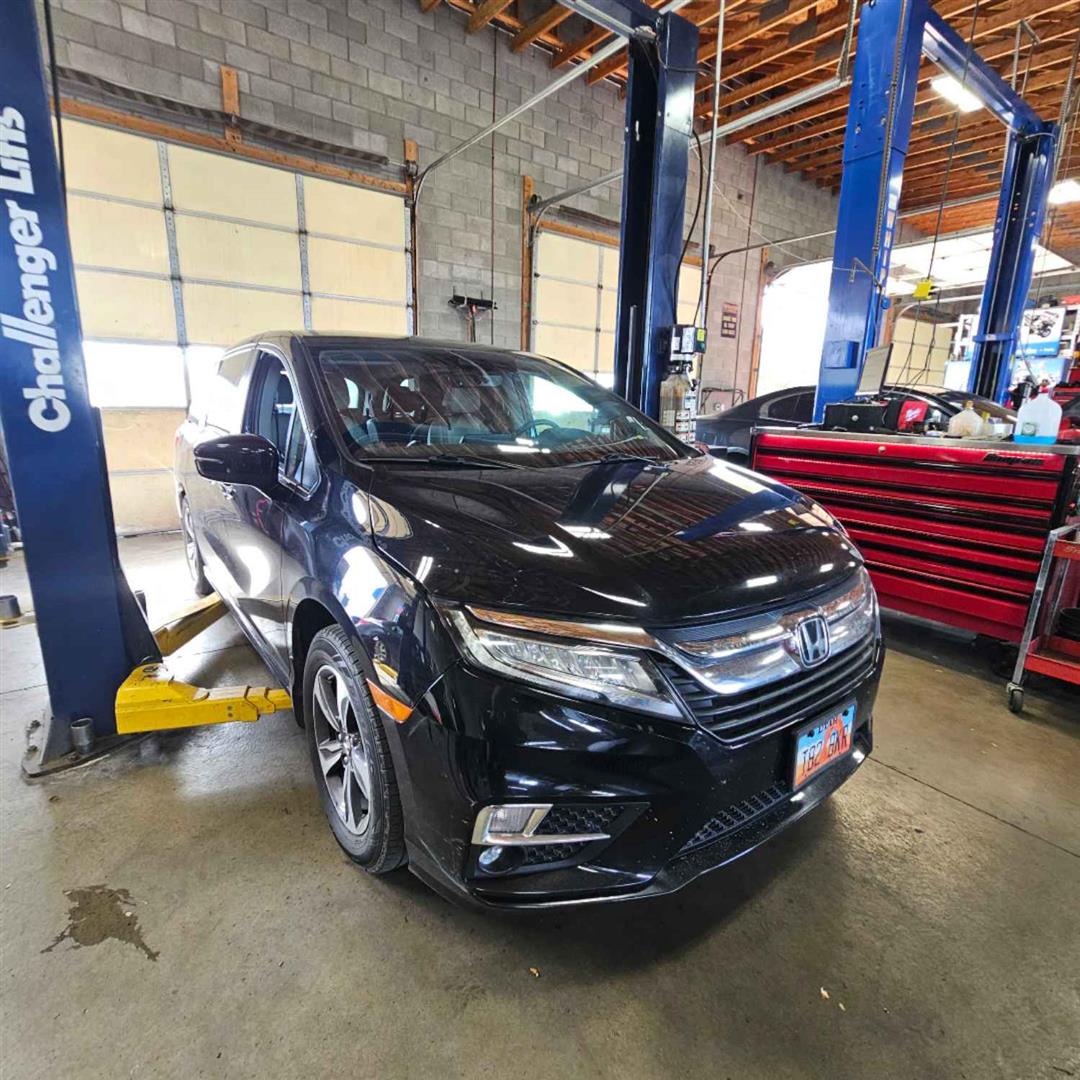
If you're hearing a popping or clicking noise when turning or accelerating in your 2018 Honda Odyssey, it could be a sign of trouble with your CV (constant velocity) axle. This component plays a vital role in delivering power from the transmission to your front wheels while allowing for the movement of the suspension—something especially important in a front-wheel-drive vehicle like the Odyssey. Common Causes of CV Axle Popping in a Honda Odyssey One of the most common reasons for that popping noise is a worn or damaged CV joint. The CV joint in your Odyssey is designed to bend and rotate while maintaining consistent power delivery. It’s protected by a rubber boot filled with grease. Over time, this boot can crack or tear, allowing dirt and moisture to get in and grease to leak out. When that happens, the joint wears down—and that’s when you start to hear clicking or popping sounds, especially during sharp t ... read more
Posted on 4/16/2025
Your Honda’s engine is a finely tuned machine and keeping it running smoothly requires regular maintenance. One often-overlooked service that plays a vital role in engine performance and longevity is a valve adjustment. Honda vehicles typically Honda Pilots and Odyssey 2018 and older, especially models with mechanical (non-hydraulic) valve lifters, require periodic valve adjustments to maintain proper engine function. In this blog, we’ll explain what a valve adjustment is, the signs that your Honda may need one, and why this service is essential for your vehicle’s health. What Is a Valve Adjustment? A valve adjustment is a precise process where a technician adjusts the clearance between the valve stem and the rocker arm or camshaft. This gap is critical because it allows the valves to open and cl ... read more
Posted on 3/13/2024
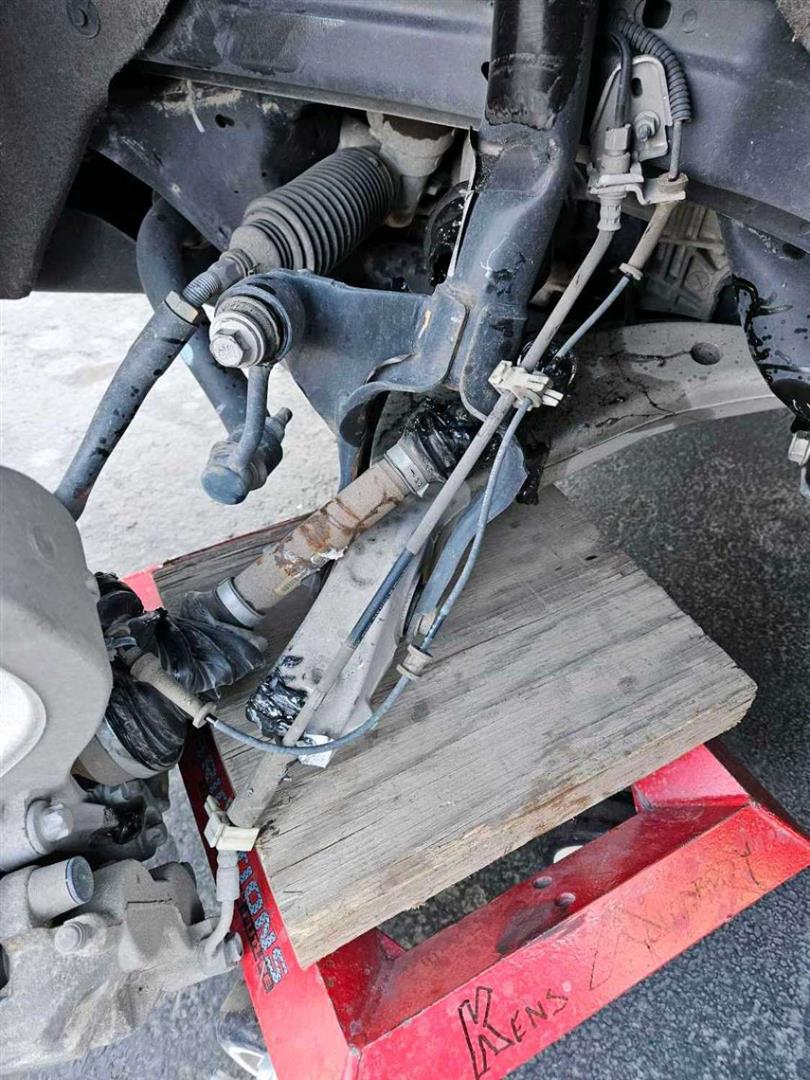
Do you hear an annoying squeaking noise every time you turn the steering wheel of your car? It's a common issue that many drivers experience, but the source of the squeak can vary depending on several factors. Understanding why your car squeaks when you turn can help you address the problem effectively and ensure a smoother driving experience. Let's delve into some potential causes and solutions for this frustrating issue. 1. Worn or Dry Suspension Components One of the primary culprits behind squeaking noises when turning is worn or dry suspension components. Over time, components such as ball joints, control arm bushings, sway bar bushings, and tie rod ends can wear out or accumulate dirt and debris, leading to friction and squeaking sounds. Inspecting these components for signs of wear and lubricating them with appropriate lubricants can often resolve the issue. 2. Struts or Shocks Worn or damaged struts or shocks can also cause squeakin ... read more