Jeep Cherokee Rear Differential Problems: Cracks, Leaks & RDM Failures
If you own a Jeep Cherokee with four-wheel drive, your rear differential is an important part of the vehicle's drivetrain. It helps transfer power to the rear wheels and allows the wheels to rotate at different speeds when you turn.
But what happens when the rear differential begins to leak—or worse, the housing develops a crack?
Some Jeep Cherokee owners have reported cracked or leaking rear differential housings, along with other problems involving the Rear Drive Module, commonly called the RDM. Owner complaints have been documented on several model years, including reports of cracked housings on 2015 and 2019 Cherokees.
This doesn't mean every Jeep Cherokee will experience this problem. However, knowing the warning signs can help you catch a drivetrain problem before it turns into a much more expensive repair.
What Is the Rear Drive Module (RDM)?
On four-wheel-drive Jeep Cherokees, the Rear Drive Module (RDM) is part of the drivetrain that helps deliver power to the rear wheels.
The RDM contains the rear differential and other components involved in managing power delivery. Like other drivetrain components, it relies on the proper fluid level and lubrication to operate correctly.
The RDM design has changed over the years. Jeep service information identifies different RDM configurations and changes to components such as the clutch, pump, pressure sensor, and driveline control module. The service information covers 2014–2020 Jeep Cherokees and notes that some RDM components are not interchangeable between different configurations.
That is one reason accurate diagnosis and checking the vehicle's VIN and drivetrain configuration are important when repairs are needed.
What Are the Signs of a Cracked Rear Differential?
A cracked differential housing doesn't always give you a warning light or obvious driving symptoms.
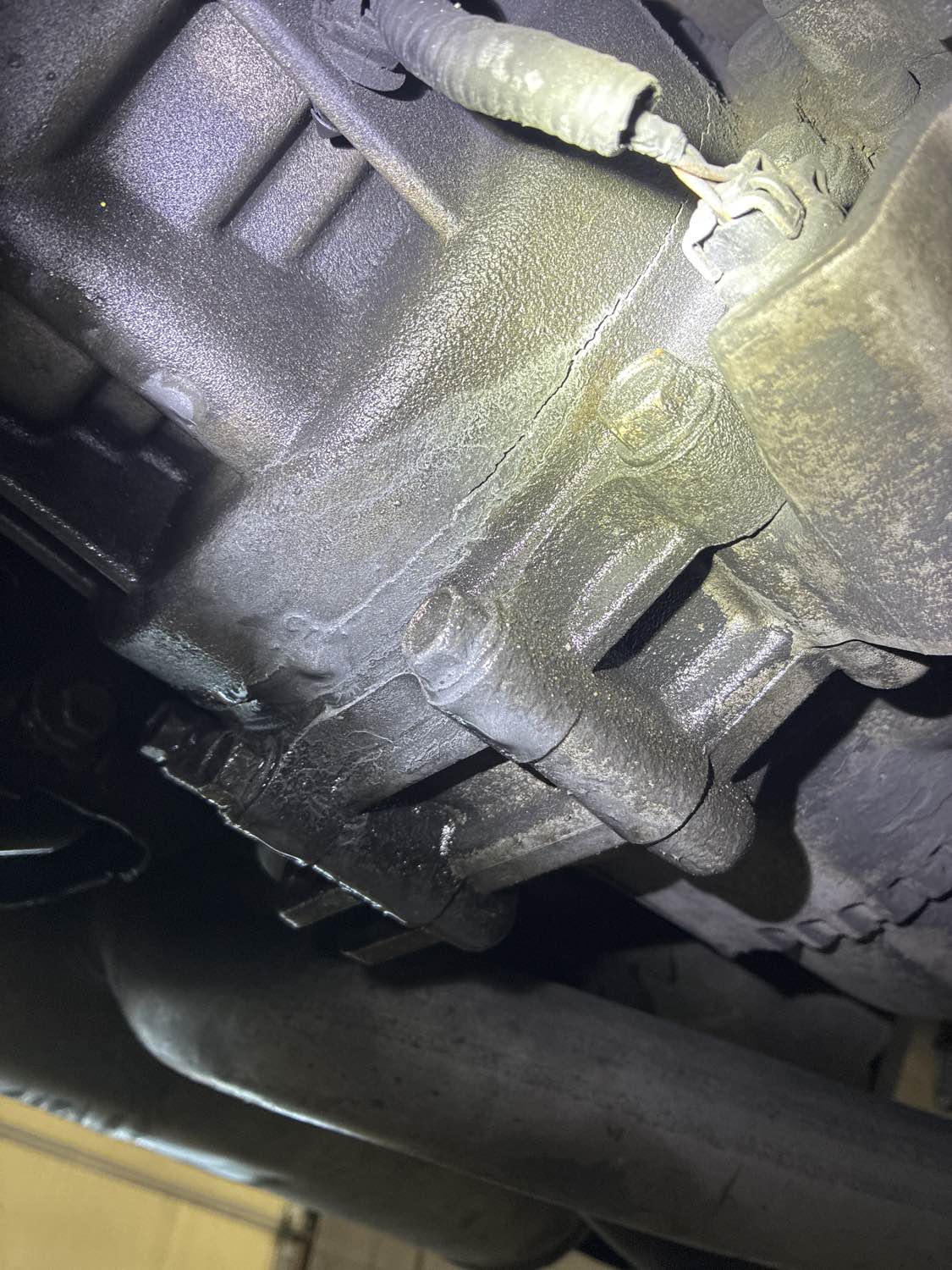
In some cases, the first sign may simply be fluid on your driveway or garage floor.
Possible warning signs include:
- Fluid leaking near the rear differential
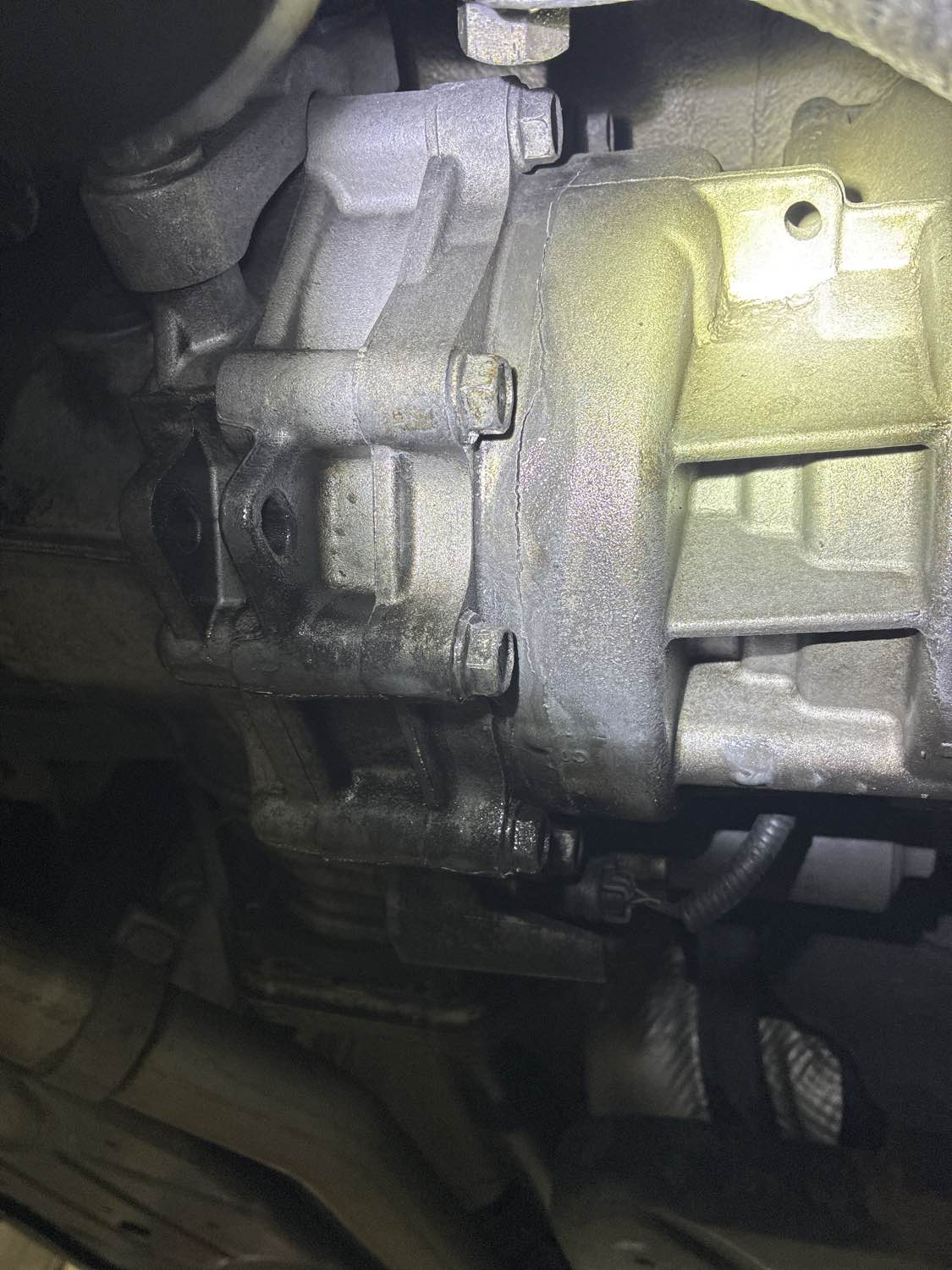
- A visible crack in the differential housing
- Humming or whining from the rear of the vehicle
- Grinding or unusual drivetrain noises
- Vibration while driving
- A burning-fluid smell
- Low differential fluid
- A Service 4WD warning
- Changes in four-wheel-drive operation
- Unusual noises that become more noticeable when accelerating or turning
Several owner complaints involving 2019 Jeep Cherokees describe cracked rear differential housings and fluid leaking from the crack. In some cases, owners reported no warning light or other symptoms before discovering the leak.
Why Is a Differential Leak So Important?
The gears and bearings inside a differential require lubrication to operate properly.
If a cracked housing allows gear oil to escape, the fluid level can eventually become too low to properly lubricate the internal components.
As the fluid level drops, heat and friction can increase. What may begin as a housing leak can potentially lead to internal differential damage and a much larger drivetrain repair.
That's why an oil spot under the rear of your Jeep shouldn't automatically be dismissed as a minor leak.
Is a Cracked Differential a Common Jeep Cherokee Problem?
This is where it's important to separate documented complaints from a confirmed widespread defect.
There are multiple owner complaints involving cracked rear differential housings on Jeep Cherokees, with particularly notable reports involving 2015 and 2019 models. For example, complaints for 2019 Cherokees include cracked housings, fluid loss, and complete housing failures.
However, owner complaints alone don't establish that every Jeep Cherokee of a particular year has a defective differential.
What we do know is that Jeep's technical information documents multiple changes to the RDM system throughout the 2014–2020 Cherokee production years.
If your Jeep is experiencing symptoms, the best approach is to have the actual vehicle inspected rather than assuming the problem is caused by a particular model-year defect.
Which Jeep Cherokee Years Should Owners Pay Attention To?
The Cherokee KL was produced with several different RDM configurations over the years.
2014–2015: Jeep service information identifies a specific 1-speed RDM configuration for these model years, including a 24-plate clutch design.
2016 and later: Jeep made changes to the RDM design and related components. Some later components are not directly interchangeable with earlier configurations.
2019: There are numerous owner complaints describing rear differential housing cracks, fluid leaks, and differential failures. Some complaints specifically describe cracks occurring without an accident or obvious impact.
Because RDM components changed throughout these years, the model year alone isn't enough to determine which differential or replacement component your Jeep needs.
What Can Cause a Differential Housing to Crack?
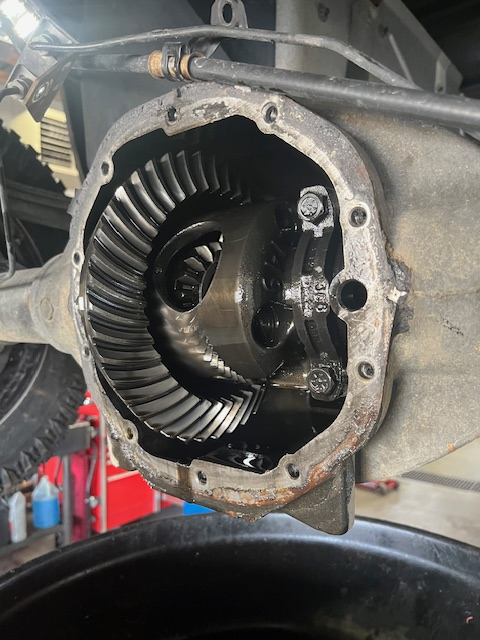
A cracked differential housing can have more than one possible cause.
Potential causes can include:
- Impact from road debris or an obstacle
- Previous collision or underbody damage
- Stress on the housing or mounting points
- Internal component failure
- Manufacturing or material-related issues
- Damage that occurred during previous repairs
If a dealership or repair shop tells you the housing is cracked because of impact, ask for the damage to be carefully inspected and documented. A visual inspection can help determine whether there are signs of an actual impact or another possible cause.
Don't Assume Every 4WD Warning Means a Bad Differential
A Service 4WD warning can be caused by several different problems.
The Cherokee's four-wheel-drive system involves multiple electronic and mechanical components, including the RDM, pump, pressure sensor, and driveline control module. Jeep's service information specifically notes that these components and their designs changed over time.
That means replacing the rear differential simply because a 4WD warning appeared may not solve the problem.
Proper diagnosis comes first.
A technician should scan the vehicle, inspect the drivetrain, check fluid levels and condition, and determine where the actual problem is coming from.
What Should You Do If You Find Fluid Under Your Jeep?
If you notice fluid underneath the rear of your Jeep Cherokee, don't wait to see if it goes away.
Step 1: Identify the Fluid
Not every leak underneath a Jeep is differential fluid. A technician can determine what type of fluid is leaking and where it is coming from.
Step 2: Inspect the Differential Housing
The housing should be inspected for cracks, impact damage, damaged seals, and other potential sources of leakage.
Step 3: Check the Fluid Level
If differential fluid has been leaking, the fluid level should be checked. Running a differential with insufficient lubrication can cause additional damage.
Step 4: Scan for Diagnostic Codes
If your Jeep has a Service 4WD or other drivetrain warning, diagnostic codes can provide important clues about what is happening within the system.
Step 5: Verify the Correct Replacement
If the RDM needs to be replaced, the correct unit must be identified for your specific vehicle. Because RDM designs changed throughout the Cherokee's production, a replacement isn't necessarily a simple "bolt-on" based only on the year and model.
Don't Ignore a Small Leak
A small puddle in your garage might not seem like an emergency, but when that fluid is coming from a differential, it deserves attention.
Some reported Cherokee differential failures provided little or no warning beyond fluid leaking from the rear of the vehicle.
Catching a leak early gives you a better chance of addressing the problem before low fluid levels lead to additional internal damage.
Is Your Jeep Cherokee Making a Strange Noise or Leaking Fluid?
If you drive a Jeep Cherokee 4WD and notice a fluid leak, humming or whining noise, vibration, or a 4WD warning, have it inspected before continuing to drive it unnecessarily.
At Dickerson Automotive, our ASE-certified technicians can inspect your Jeep's drivetrain, diagnose leaks and unusual noises, and help determine the appropriate repair.
Whether it's a simple seal leak or a more serious rear differential/RDM problem, getting an accurate diagnosis is the first step toward the right repair.
Don't ignore the leak. Don't ignore the noise. Get your Jeep checked before a small drivetrain problem becomes a major repair.
Sources & Additional Reading
Information for this article was reviewed alongside Jeep technical service information and publicly available owner complaints regarding Jeep Cherokee rear differential/RDM problems. Technical information indicates RDM design and component changes across the 2014–2020 Cherokee model range.