Posted on 2/18/2026
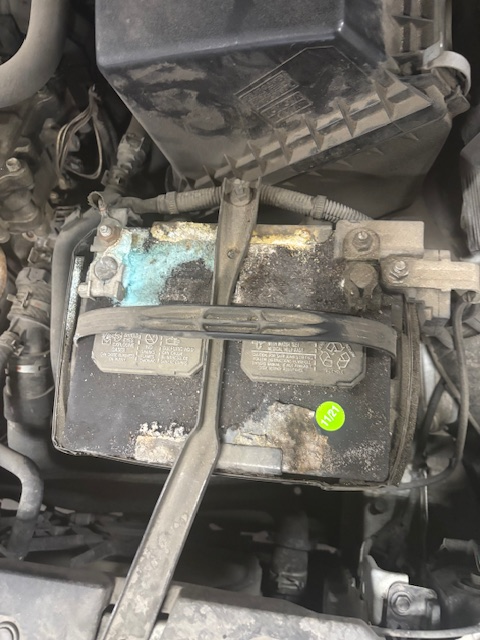
Why Your Car Clicks but Won’t Start Few things are more frustrating than turning your key (or pushing your start button) and hearing… click… click… click… but nothing else happens. If your car is clicking but won’t start, don’t panic — this is one of the most common issues drivers face, and in most cases, it’s something that can be fixed quickly. What Causes the Clicking Sound? A rapid clicking noise when trying to start your car is often a warning sign that something in your starting system isn’t working correctly. Here are the most common causes: Dead or Weak Battery Your battery provides the power needed to start the engine. If it’s low or failing, the starter won’t get enough juice to turn the engine over, resulting in a clicking sound. Corroded or Loose Battery Ter ... read more
Posted on 11/4/2025
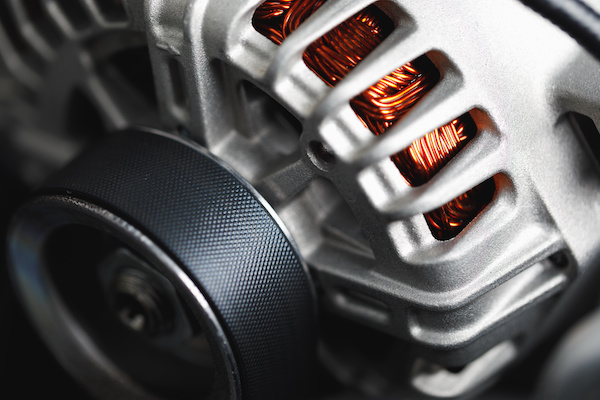
Fall has been amazing — crisp air, colorful leaves, and weekend drives under golden trees. 🍁 But as those first cold mornings roll in, you may have noticed something a little less pleasant: your car taking longer to start… or not starting at all. If that sounds familiar, you’re not alone — and your car’s battery is likely sending a warning sign. Why Cold Weather Affects Your Battery When the temperature drops, your battery’s ability to produce power slows down. Inside every car battery, chemical reactions create the energy needed to start your engine. In cold weather, those reactions take longer to happen, which means less cranking power right when your engine needs more to get going. Combine that with an older or weak battery, and you’ve got the perfect recipe for a chilly morning breakdown. Signs Your Battery Might Be Failing If you’ve noticed any of the following, it’s time for a battery ... read more
Posted on 9/4/2025

Fall Vehicle Maintenance: Your Ultimate Checklist for a Safe, Smooth Ride As temperatures dip and rain or frost becomes more frequent, fall marks an essential time to prepare your vehicle for winter. A few simple checks now can help you avoid costly repairs later—while ensuring safety, reliability, and peace of mind. 1. Grab Your Owner’s Manual and Service Records Before diving into maintenance, gather your owner’s manual and any recent service receipts. The manual is your go-to guide for fluid levels, belt and hose specs, and maintenance intervals. If your next service is due, now is the perfect moment to schedule it . 2. Battery Health Check Car batteries age faster in extreme temperatures. If your battery is over three years old, have it tested or replaced—especially since winter is when battery failures peak . A failing battery in freezing weather can leave you stranded and exposed. 3. Wipers, Windshield Washer Fluid & Defrosters Visibility is cruci ... read more
Posted on 7/2/2025
.jpeg)
🔥 How Summer Heat Affects Your Vehicle (and Signs You Shouldn't Ignore) Summertime means road trips, sun-soaked days, and unfortunately… stress on your vehicle. While you may be enjoying the warmer weather, your car is working overtime to keep cool and stay running. High temperatures can impact everything from your battery to your tires—and if you're not careful, that summer fun can turn into a breakdown on the side of the road. Here’s how extreme heat affects your vehicle—and the signs you should watch for. ☀️ 1. Battery Strain The heat is harder on your battery than winter. High temperatures can cause battery fluid to evaporate, leading to internal damage and a shortened lifespan. Signs to watch for: Slow engine crank Dim headlights Battery warning light A rotten egg smell (which can indicate a leaking battery) ... read more
Posted on 11/20/2024
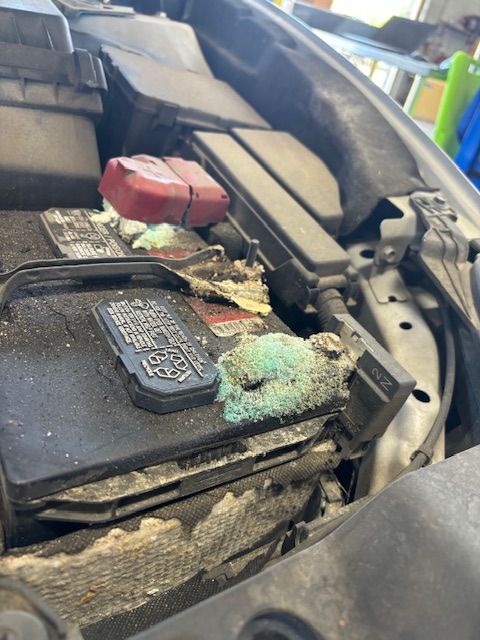
Why Your Vehicle Might Hesitate to Start in the Winter As temperatures drop, many drivers notice their vehicles struggle or hesitate to start, leaving them wondering, "What’s going on under the hood?" One of the main culprits during the winter months is your car's battery. Here’s why cold weather and battery performance don’t always go hand in hand—and what you can do about it. How Cold Weather Affects Your Battery Car batteries rely on chemical reactions to produce power, and cold weather slows these reactions down. This means your battery generates less energy to start the engine when you need it most. Additionally: Thickened Electrolyte: Low temperatures cause the electrolyte solution inside the battery to thicken, reducing ion movement and lowering the battery’s overall capacity. Increased Power Demand: Cold engines and thicker oil make starting your vehicle more demanding, requiring ... read more