Is Your Vehicle Ready to Evacuate? What to Keep in Your Car During Wildfire Season
With local wildfires affecting our communities and many of our neighbors facing evacuation orders, now is the time to make sure your vehicle is ready to go at a moment's notice. During an emergency, the last thing you want to worry about is whether your car will start, has enough fuel, or contains the supplies you need to stay safe.
Preparing your vehicle ahead of time can help reduce stress and give you peace of mind if you ever need to leave your home quickly.
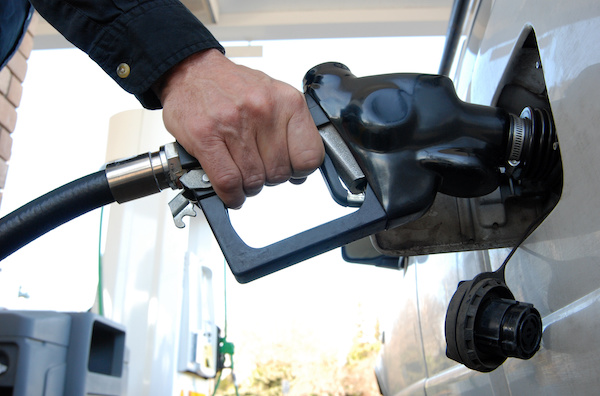
Keep Your Fuel Tank Full
One of the simplest ways to prepare for an evacuation is to keep your gas tank at least half full. During emergencies, gas stations may experience long lines, power outages, or fuel shortages. A full tank gives you more options if road closures force you to take a longer route.
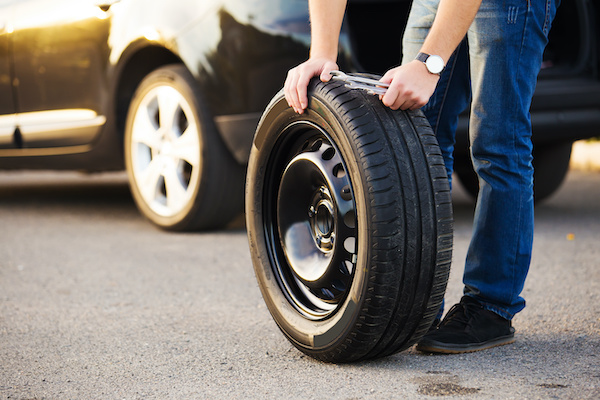
Stay Current on Vehicle Maintenance
An evacuation is not the time to discover your battery is weak or your tires are worn out. Make sure your vehicle is up to date on:
- Oil changes
- Battery testing
- Tire inspections
- Brake inspections
- Coolant system maintenance
- Windshield wiper replacement
Routine maintenance can help ensure your vehicle is reliable when you need it most.
Create an Emergency Vehicle Kit
Consider keeping the following items in your vehicle year-round:
Essential Supplies
- Bottled water
- Non-perishable snacks
- First-aid kit
- Flashlight with extra batteries
- Phone charger or power bank
- Emergency blanket
- Dust masks or N95 masks
- Work gloves
- Hand sanitizer
- Wet wipes
Vehicle Emergency Items
- Jumper cables or jump starter pack
- Tire pressure gauge
- Tire inflator
- Basic tool kit
- Reflective triangles or flares
- Tow strap
- Extra windshield washer fluid
Keep Important Documents Accessible
Store copies of important information in a waterproof folder or digital format:
- Vehicle registration
- Insurance information
- Emergency contact list
- Medical information
- Pet vaccination records
- Copies of identification
Having these documents readily available can save valuable time during an evacuation.
Don't Forget Your Pets
If you have pets, keep a small emergency bag ready with:
- Food and water
- Leash or carrier
- Medications
- Vaccination records
- Comfort items such as blankets or toys
Check Your Tires
Wildfire evacuations can mean driving long distances, sitting in traffic, or traveling on unfamiliar roads. Properly inflated tires with good tread can improve safety and fuel economy while reducing the risk of a breakdown.
Charge Your Devices
Keep charging cables in your vehicle and consider carrying a portable battery pack. Communication is critical during emergencies, and a charged phone can help you receive updates, navigation assistance, and emergency alerts.
Know Your Escape Routes
Take time to familiarize yourself with multiple evacuation routes from your neighborhood. Road closures can happen quickly during wildfires, so having backup routes planned can save valuable time.
Peace of Mind Starts with Preparation
While we hope you never have to evacuate, being prepared can make all the difference during an emergency. A reliable vehicle, a full tank of fuel, and a well-stocked emergency kit can help keep you and your family safe when every minute counts.
We are keeping our neighboring communities in our thoughts. Stay safe and take care.