Posted on 9/2/2026
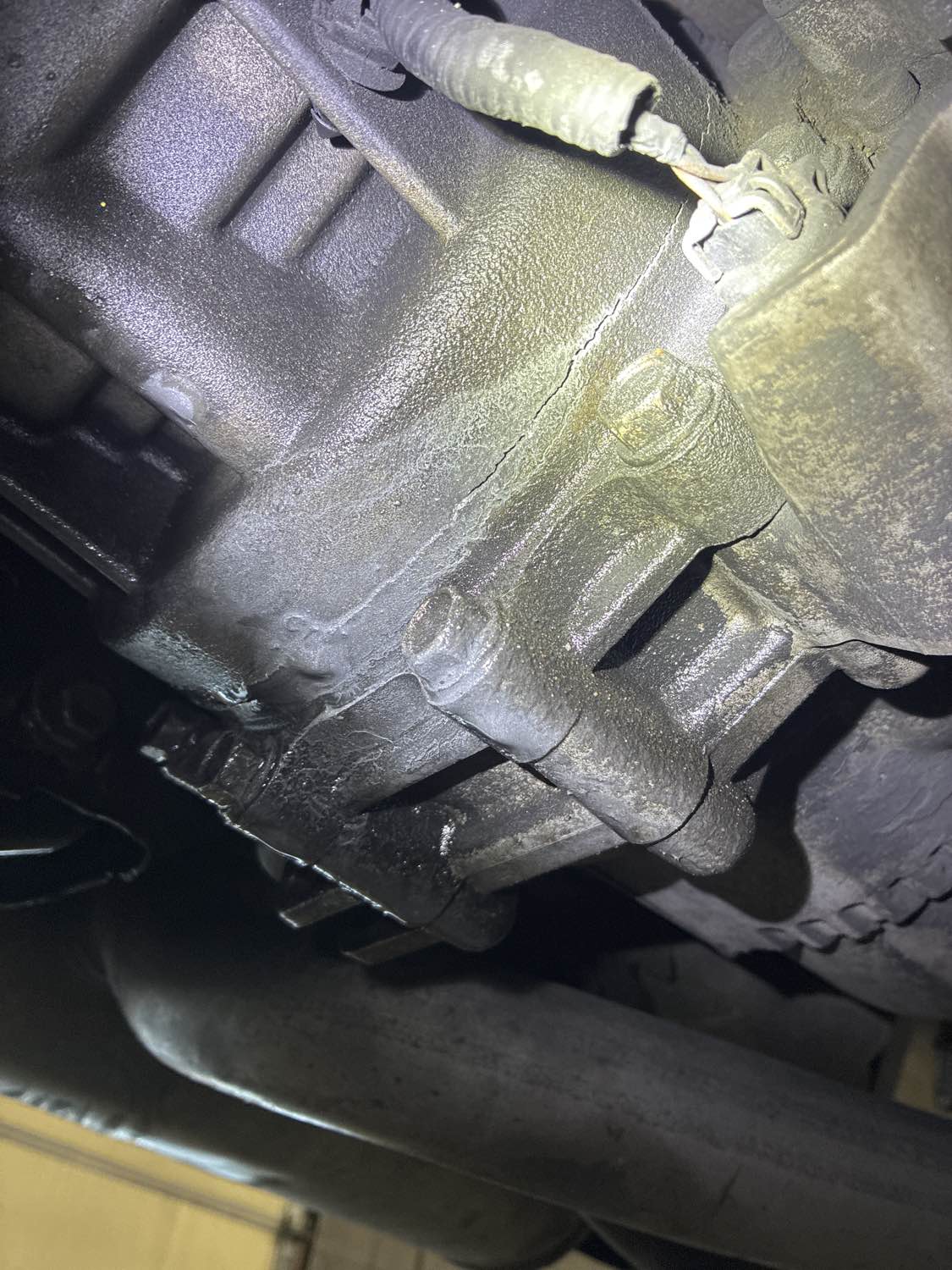
Jeep Cherokee Rear Differential Problems: Cracks, Leaks & RDM Failures If you own a Jeep Cherokee with four-wheel drive, your rear differential is an important part of the vehicle's drivetrain. It helps transfer power to the rear wheels and allows the wheels to rotate at different speeds when you turn. But what happens when the rear differential begins to leak—or worse, the housing develops a crack? Some Jeep Cherokee owners have reported cracked or leaking rear differential housings, along with other problems involving the Rear Drive Module, commonly called the RDM. Owner complaints have been documented on several model years, including reports of cracked housings on 2015 and 2019 Cherokees. This doesn't mean every Jeep Cherokee will experience this problem. However, knowing the warning signs can help you catch a drivetrain problem before it turns into a much more expensive repair. What ... read more
Posted on 8/12/2026
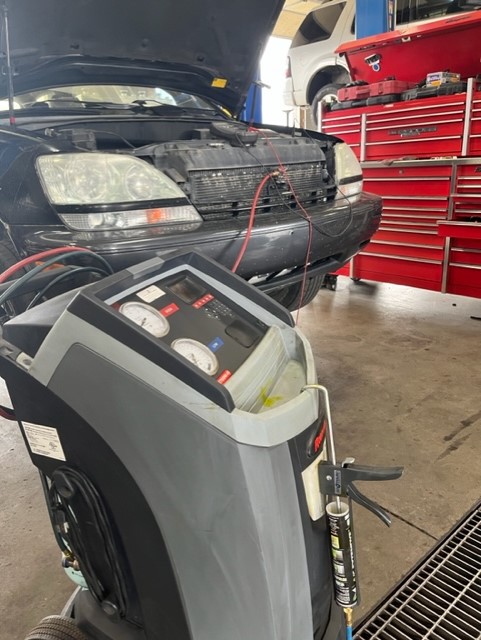
A/C Compressor: How It Works and Signs It May Be Going Out When summer temperatures climb, your vehicle’s air conditioning becomes more than just a convenience—it can make a long drive much more comfortable. But have you ever wondered what actually makes your A/C blow cold air? One of the most important components in your vehicle's A/C system is the A/C compressor. Think of it as the heart of the air conditioning system. When the compressor isn't working correctly, your A/C may struggle to keep you cool. What Does the A/C Compressor Do? Your vehicle's A/C system doesn't actually "make" cold air. Instead, it removes heat and moisture from the air inside your vehicle. The A/C system uses refrigerant to move heat from inside the passenger compartment to the outside of the vehicle. The compressor is responsible for circulating and pressurizing that refrigerant so the process can h ... read more
Posted on 7/29/2026
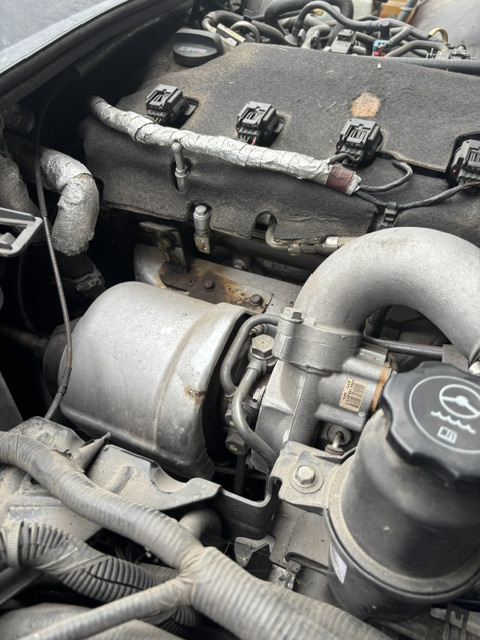
Turbocharged engines have become increasingly common over the last decade. Whether you're shopping for a compact commuter car, an SUV, or even a pickup truck, chances are you've come across a model with a turbocharged engine. Manufacturers use turbochargers to improve fuel economy while maintaining strong performance, but like any automotive technology, they come with both advantages and disadvantages. If you're considering purchasing a vehicle with a turbocharger, here's what you should know before making your decision. What Is a Turbocharger? A turbocharger is a device that forces additional air into your engine's combustion chamber. More air allows the engine to burn more fuel efficiently, producing more horsepower and torque from a smaller engine. For example, a modern 2.0L turbocharged engine can often produce similar power to an older 3.5L or even 4.0L naturally aspirated engine. Pros of Buying a Turbocharged Vehi ... read more
Posted on 4/30/2026
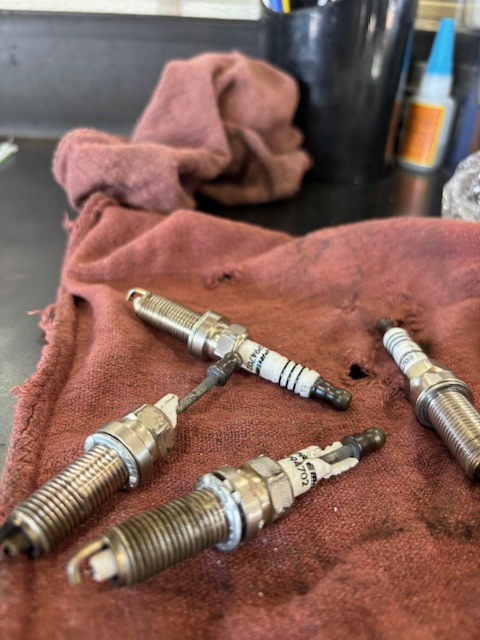
What Is an Engine Misfire? Symptoms, Causes, and What It Means for Your Vehicle If your vehicle suddenly feels rough, sluggish, or starts shaking, you may be dealing with an engine misfire. It’s one of the most common issues drivers experience—and one that should never be ignored. In this blog, we’ll break down what an engine misfire is, the warning signs to watch for, and the most common causes behind it. What Is an Engine Misfire? An engine misfire happens when one or more cylinders in your engine fail to properly ignite the air-fuel mixture needed to create power. In simple terms, one part of your engine isn’t doing its job. For an engine to run correctly, it needs three key elements: The right air-fuel mixture Proper compression A strong, correctly timed spark If any one of these is off, a misfire can occur. Common Symptoms of an Engine Misfire Engine misfires can show up in several ... read more
Posted on 4/22/2026
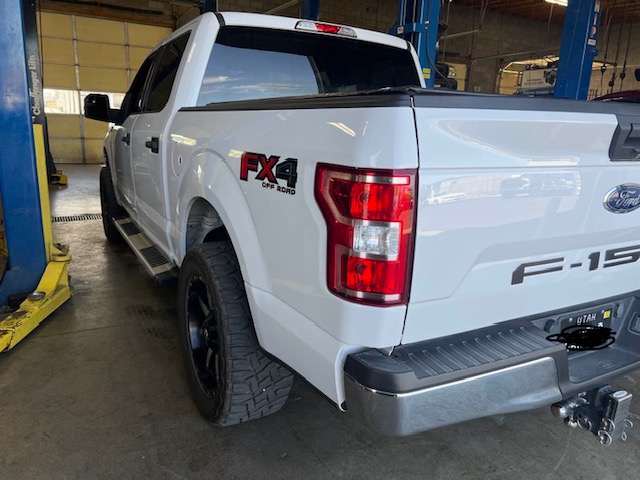
Why Higher Octane Fuel Can Reduce Engine Knock in a 2019 Ford F-150 If you’ve ever noticed a pinging or knocking sound from your engine—especially when accelerating or climbing a hill—you may be experiencing early detonation, also known as spark knock. We recently inspected a 2019 Ford F-150 with this exact concern. After checking for any major issues and performing a fuel induction service, the noise was still present. Since no serious problems were found, the next step we recommended was trying a higher-grade fuel. In some cases, this can reduce or even eliminate the noise—but is it actually fixing the problem, or just masking it? Let’s break it down. What Is Early Detonation? Under normal conditions, your engine’s air/fuel mixture ignites at a precise moment, controlled by the spark plug. This creates a smooth, controlled burn that pushes the piston down efficiently. Early detonation happens when that ... read more