Posted on 3/11/2026

When Is Smoke From Your Tailpipe a Bad Sign?What the Color of Exhaust Smoke Means for Your Vehicle Seeing smoke coming from your tailpipe can be concerning, and in many cases it’s your vehicle’s way of warning you that something isn’t working correctly. While a small amount of vapor on a cold morning can be normal, colored or excessive exhaust smoke often points to an underlying problem with your engine or vehicle systems. Understanding the color and behavior of exhaust smoke can help you determine whether it’s normal condensation or a sign that your vehicle may need professional auto repair or engine diagnostics. White Smoke From the Tailpipe Light white smoke that disappears quickly is usually normal condensation. This often happens when your vehicle first starts, especially during cooler temperatures. H ... read more
Posted on 2/25/2026
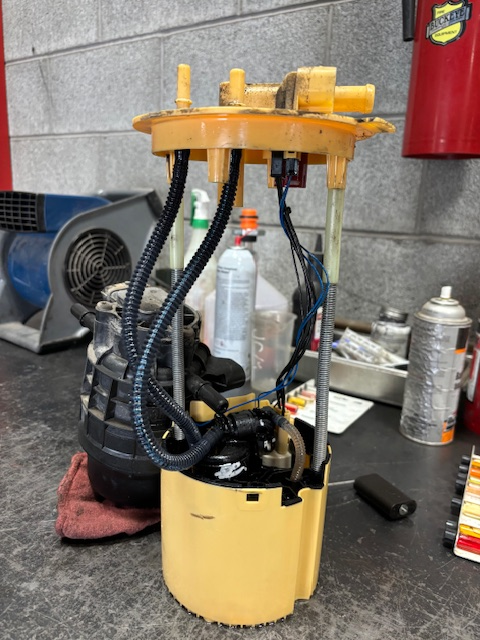
Your fuel pump plays a critical role in your vehicle’s performance. It delivers fuel from the gas tank to the engine at the proper pressure, ensuring smooth starts, steady acceleration, and reliable power. When a fuel pump begins to fail, it can quickly turn from a minor inconvenience into a major breakdown. Here’s what you need to know about recognizing the warning signs and protecting your fuel system. What Does a Fuel Pump Do? Most modern vehicles use an electric fuel pump located inside the fuel tank. Its job is to: Maintain proper fuel pressure Deliver a steady flow of fuel to the engine Support efficient combustion Help optimize fuel economy and engine performance When the pump weakens or fails, your engine may not receive enough fuel — and that can lead to noticeable drivability issues. Signs Your Fuel Pump May Be Going Bad Fuel pump failure often gives warning signs before it completely quits ... read more
Posted on 2/18/2026
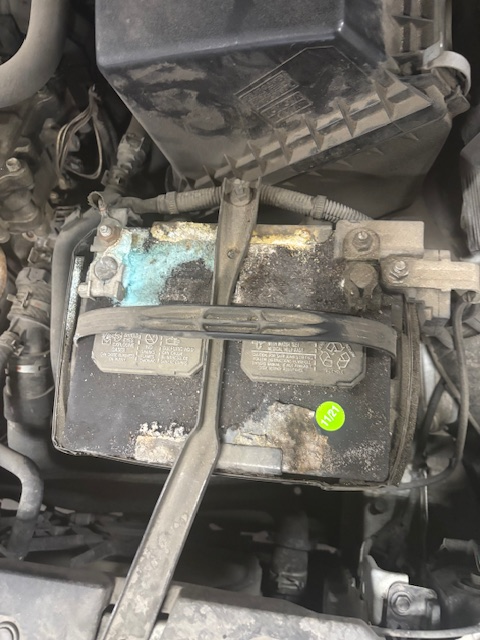
Why Your Car Clicks but Won’t Start Few things are more frustrating than turning your key (or pushing your start button) and hearing… click… click… click… but nothing else happens. If your car is clicking but won’t start, don’t panic — this is one of the most common issues drivers face, and in most cases, it’s something that can be fixed quickly. What Causes the Clicking Sound? A rapid clicking noise when trying to start your car is often a warning sign that something in your starting system isn’t working correctly. Here are the most common causes: Dead or Weak Battery Your battery provides the power needed to start the engine. If it’s low or failing, the starter won’t get enough juice to turn the engine over, resulting in a clicking sound. Corroded or Loose Battery Ter ... read more
Posted on 2/4/2026
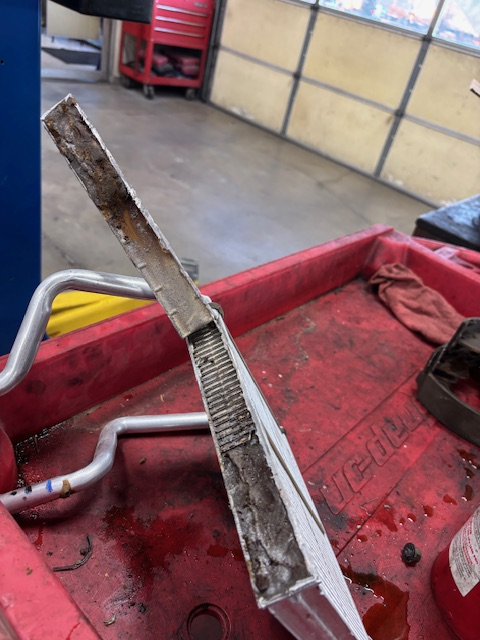
Your vehicle has a leak… and the repair estimate wasn’t exactly what you were hoping for. You jump online looking for options and find products labeled “Stop Leak.” They promise a fast, affordable solution — just pour it in and voilà, problem solved. It sounds like the perfect fix when money is tight or you need to keep your vehicle moving. But what does using stop leak really mean for your vehicle in the long run? Let’s break it down. What Is Stop Leak Designed For? Stop leak products are typically intended for temporary or emergency situations — helping you get from point A to point B until proper repairs can be made. They work by circulating through your system and attempting to seal small leaks. Some potential short-term benefits include: ✔️ Temporary Fix for Small Leaks They may help slow or seal very minor leaks long enough to get you safely ... read more
Posted on 1/21/2026
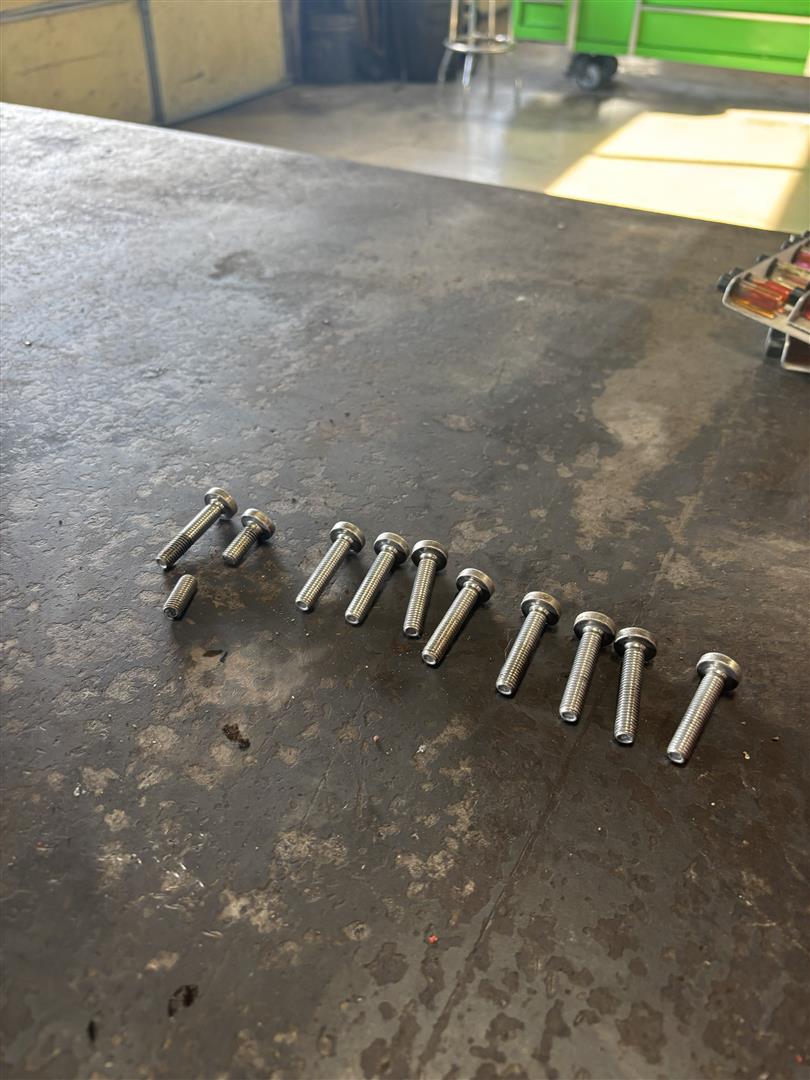
Why Mercedes Intake Manifold Bolts Fail: A Closer Look One frustrating—and more common than many owners realize—issue seen on Mercedes vehicles, particularly those equipped with the M272 and M273 engines, is intake manifold bolt failure. While this problem isn’t as severe as a major engine failure, it can still cause drivability concerns, trigger check engine lights, and lead to costly repairs if it’s not addressed early. 🔍 What Causes Intake Manifold Bolts to Break? Several factors contribute to the failure of intake manifold hardware: 1. Heat Cycles and Metal Fatigue The intake manifold and its mounting bolts are exposed to extreme temperature changes every time the engine runs. As the engine heats up and cools do ... read more