Over the last several years, catalytic converters have become a hot topic—between emissions regulations, rising repair costs, and increased theft. But what exactly is a catalytic converter, and why is it so important to your vehicle?
What Is a Catalytic Converter?
A catalytic converter is a critical part of your vehicle’s exhaust system, located between the engine and the muffler. Its job is to reduce harmful emissions by converting toxic gases produced during combustion—such as carbon monoxide, hydrocarbons, and nitrogen oxides—into less harmful gases before they exit the tailpipe.
While a vehicle can technically run without a catalytic converter, driving without one is strongly discouraged. In most states, it is illegal and can result in:
- Increased air pollution
- A much louder exhaust
- A triggered check engine light
- Possible damage to other exhaust components
- Failed emissions testing
How Much Does It Cost to Replace a Catalytic Converter?
Catalytic converter replacement is often one of the more expensive exhaust repairs, typically ranging from $500 to $3,000 on most vehicles. The cost depends on your vehicle’s design and whether the converter is sold as a single unit or integrated into a Y-pipe or downpipe assembly that requires replacing multiple components.
Many drivers consider cheaper replacement options, but understanding the differences between universal, direct-fit, and OEM catalytic converters is crucial—choosing the wrong one can cost more in the long run.
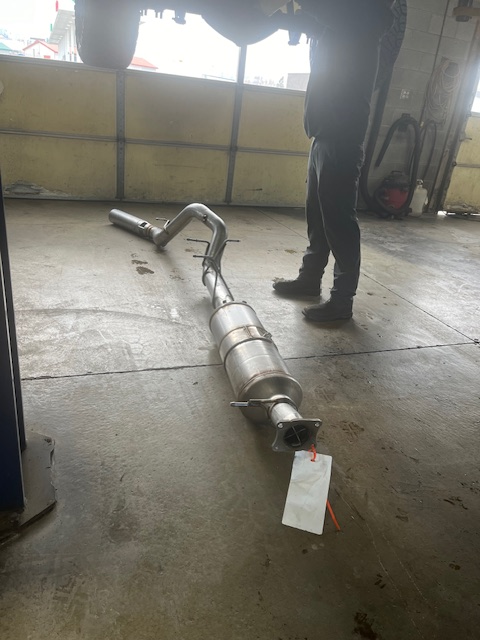
Types of Catalytic Converters
Universal Catalytic Converters
- Least expensive option
- Require cutting and welding to install
- Typically contain fewer precious metals
- May have a shorter lifespan
- Higher chance of triggering a check engine light due to reduced efficiency
Direct-Fit Catalytic Converters
- More expensive than universal options
- Designed to bolt directly onto the vehicle
- Easier installation
- Still may contain fewer precious metals than OEM
- Potential risk of efficiency-related trouble codes
OEM (Original Equipment Manufacturer) Catalytic Converters
- Most expensive option
- Exact factory fit
- Highest efficiency
- Least likely to trigger a check engine light
- Longest lifespan and best emissions performance
Why Are Catalytic Converters So Valuable?
Catalytic converters contain precious metals such as platinum, palladium, and rhodium. These metals create a chemical reaction that converts harmful exhaust gases into safer emissions. Due to their rarity and high demand for pollution control, these metals are extremely valuable—making catalytic converters a frequent target for theft because of their high scrap value.
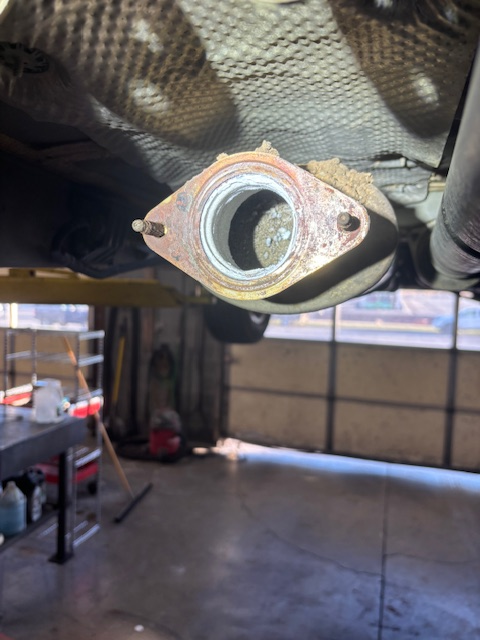
Signs of a Failing Catalytic Converter
If your catalytic converter is failing, you may notice:
- Poor engine performance
- Reduced fuel economy
- Sluggish or delayed acceleration
- A persistent check engine light
- A sulfur or “rotten egg” smell
- The engine feeling like it’s struggling to “breathe”
Ignoring these symptoms can lead to damage to other components, including oxygen sensors and the engine itself.
What Causes a Catalytic Converter to Fail?
Common causes include:
- Burning oil
- Unburned fuel from misfiring spark plugs
- Oil or coolant entering the exhaust system
- Physical or undercarriage damage
- Prolonged driving with engine performance issues
Can a Catalytic Converter Be Cleaned Instead of Replaced?
Many vehicle owners ask whether a catalytic converter can be cleaned rather than replaced. In cases of light carbon or soot buildup, some methods—such as fuel additives or higher-RPM driving—may help burn off minor deposits.
However, severe contamination or physical damage cannot be cleaned. Harsh chemicals can permanently damage the catalyst, making replacement the only safe option. While regular fuel induction services can help prevent carbon buildup in the fuel system, they cannot reverse a failing catalytic converter.
The Importance of Professional Diagnosis
Because catalytic converter problems are often linked to underlying engine issues, it’s important to have your vehicle inspected by a professional repair shop. Proper diagnosis ensures the root cause is fixed—preventing premature failure of a new converter and saving you money in the long run.
If you’re experiencing symptoms or have concerns about your catalytic converter, scheduling an inspection is the best next step.