If your car overheats while sitting at a stoplight or idling in traffic—but seems to cool down once you start driving—you’re not alone. This is a common issue and usually points to a problem in the cooling system that shows up when airflow is limited.
Let’s break down the most common reasons your car overheats at idle and what you should do about it.
How Your Cooling System Works at Idle
When you’re driving, air flows naturally through the radiator to help cool the engine. At idle, your vehicle relies heavily on cooling system components—like the radiator fan and coolant circulation—to regulate engine temperature.
If any of these parts aren’t working properly, heat can build up quickly while the vehicle is stopped.
Common Reasons a Car Overheats at Idle
1. Cooling Fan Not Working Properly
One of the most common causes of overheating at idle is a failing or non-operational radiator cooling fan.
At low speeds or when stopped, the cooling fan pulls air through the radiator. If the fan motor, relay, fuse, or temperature sensor fails, airflow drops—and the engine temperature rises.
Signs to watch for:
- Overheats in traffic but cools while driving
- Cooling fan doesn’t turn on
- Temperature gauge climbs when stopped
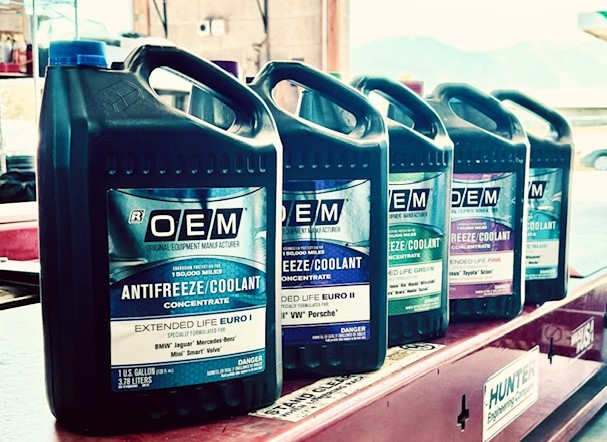
2. Low Coolant Level or Coolant Leaks
Coolant (antifreeze) is essential for controlling engine temperature. If coolant levels are low due to leaks, the system can’t absorb and transfer heat effectively—especially at idle.
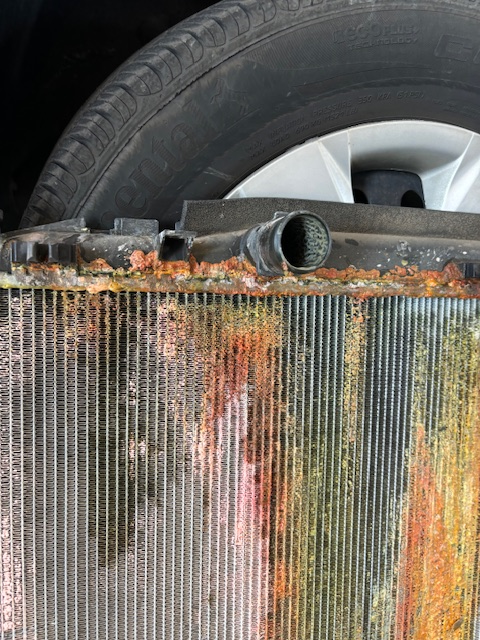
Possible leak sources include:
- Radiator
- Hoses
- Water pump
- Heater core
Even a slow leak can cause overheating issues over time.
3. Faulty Thermostat
The thermostat controls coolant flow through the engine. If it’s stuck closed or partially closed, coolant can’t circulate properly, causing heat to build up—often more noticeable when the vehicle is idling.
4. Radiator Problems or Restricted Airflow
A clogged or damaged radiator can limit heat transfer. Dirt, debris, or internal corrosion can reduce efficiency, especially when airflow depends on the cooling fan rather than vehicle speed.
5. Water Pump Issues
The water pump keeps coolant moving through the engine. If the pump is failing, coolant circulation slows down, which can cause overheating—particularly at idle when engine RPMs are lower.
6. Air Pockets in the Cooling System
After a coolant service or repair, trapped air in the system can disrupt coolant flow. Air pockets prevent proper heat transfer and can lead to overheating at idle or inconsistent temperature readings.
What to Do If Your Car Overheats at Idle
If you notice your vehicle running hot while stopped:
- Pull over safely and turn the engine off
- Do not open the radiator cap while hot
- Allow the engine to cool
- Have the cooling system inspected as soon as possible
Continuing to drive an overheating vehicle can lead to serious engine damage, including warped cylinder heads or blown head gaskets. Tip: turning on the heater while trying to get to a stop can help with pulling heat from the engine.
Don’t Ignore the Warning Signs
Overheating at idle is often an early warning of a cooling system issue. Addressing it quickly can save you from costly repairs and unexpected breakdowns.
If your vehicle is overheating while stopped or in traffic, a professional inspection can identify the cause and get you back on the road safely.