If you’ve noticed that it seems to cost more to fill up your vehicle, change your oil, or repair your car than it did a few years ago, you’re not imagining it. As an auto repair shop, we see the effects of rising costs every day—not only in what our customers pay to maintain their vehicles, but also in the cost of the parts, supplies, oil, and equipment we need to keep vehicles on the road. From the price of fuel to the price of a new vehicle, the cost of transportation has changed significantly, and it has many drivers asking an important question: Is it better to keep maintaining the vehicle I have or replace it with something newer?
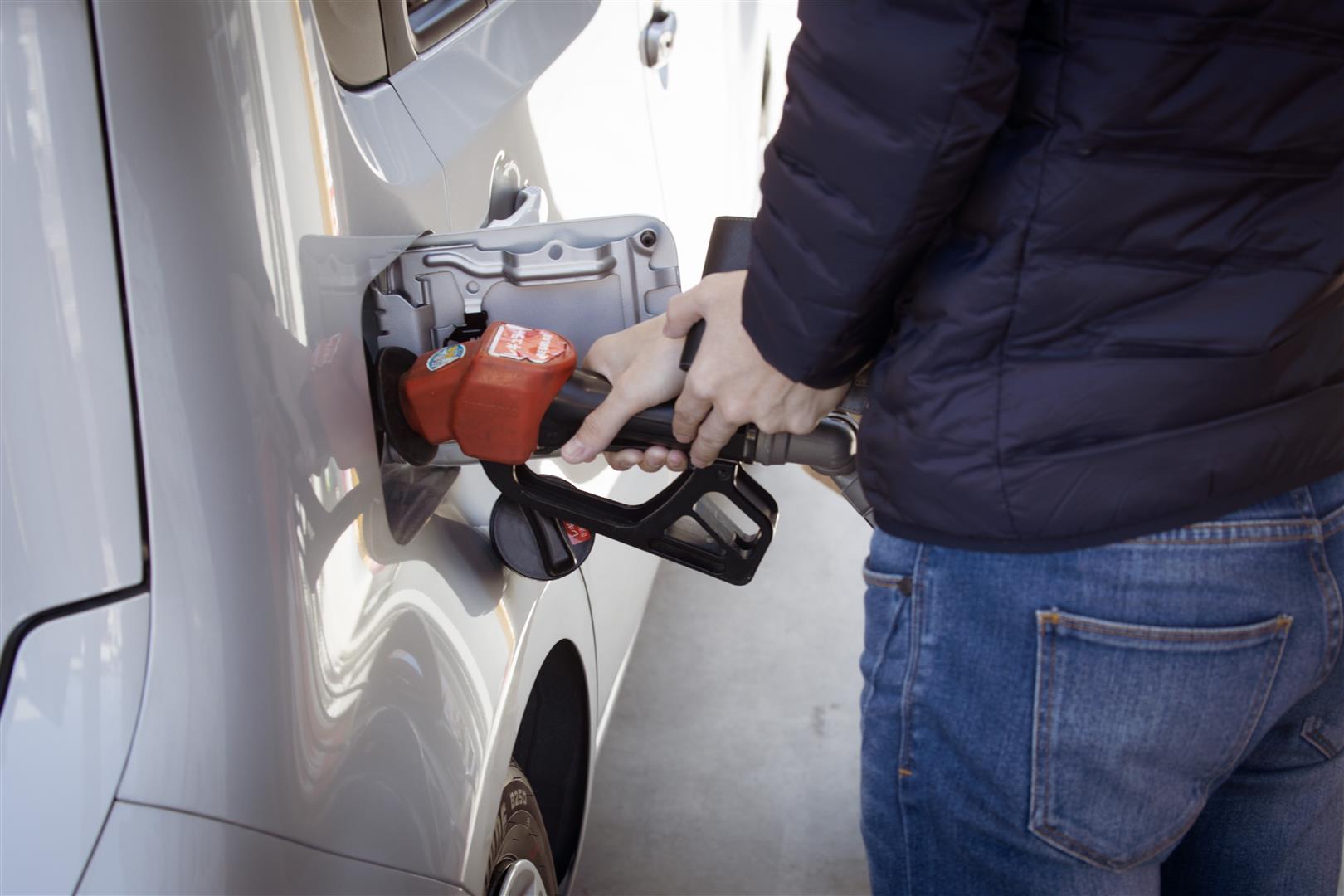
The Cost of Fuel Affects More Than Your Trip to the Gas Station
The price of gasoline is one of the most noticeable costs of owning a vehicle. Fuel prices can change based on crude oil prices, refining costs, supply and demand, transportation, taxes, and other market conditions. When fuel prices increase, the impact can extend beyond what you pay at the pump.
Higher fuel and transportation costs can also affect the businesses that manufacture, ship, and deliver automotive products. Parts and supplies often travel through several stages before they arrive at an auto repair shop. Increased costs throughout that process can eventually contribute to higher prices for parts and services.
For drivers, this makes fuel economy and vehicle maintenance even more important. Keeping your tires properly inflated, staying current on maintenance, addressing check engine lights, and making sure your vehicle is operating efficiently can all help you get the best possible performance from the vehicle you already own.
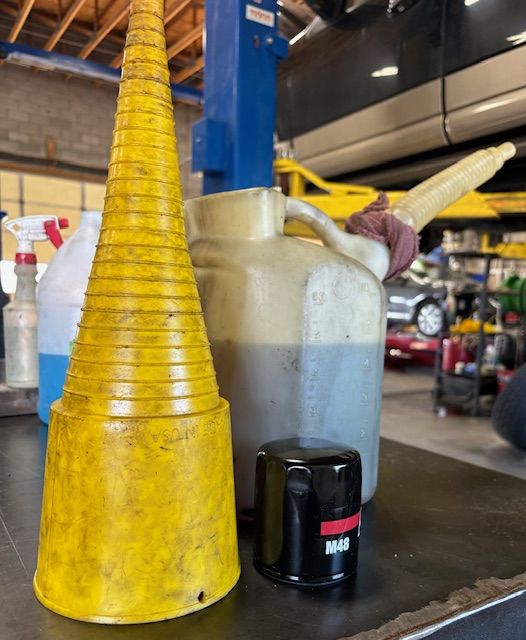
Why Does Motor Oil Cost More?
Motor oil is another area where drivers have seen price increases. Motor oil is made from petroleum-based products, and its cost can be influenced by crude oil prices, refining, transportation, manufacturing, packaging, and supply and demand.
From an auto shop's perspective, an oil change involves more than simply putting oil into an engine. We have the cost of the oil, oil filter, shop supplies, labor, disposal, equipment, and other operating expenses. When those costs increase, the price of providing the service can increase as well.
Regular oil changes remain one of the most important things you can do to protect your engine. Skipping maintenance to save money today can potentially lead to a much more expensive repair later. Good maintenance is about spending money wisely rather than simply spending as little as possible.
Parts and Repair Costs Have Increased Too
When customers see the price of an automotive repair, they may wonder why the cost of a particular part is higher than they remember. The answer isn't always as simple as the shop charging more.
Automotive parts are made using materials such as steel, aluminum, rubber, plastics, and electronic components. The cost of those materials, manufacturing, shipping, storage, and distribution can all affect the final price of a part. Modern vehicles also contain more computers, sensors, modules, and advanced technology than many vehicles did in the past. A repair that once involved a relatively simple mechanical component may now involve sophisticated electronics and additional diagnostic time.
As a repair shop, we understand that an unexpected repair can be difficult to fit into a household budget. That's why proper diagnosis is so important. We want to identify the actual problem and explain your options so you can make an informed decision about what makes sense for your vehicle and your budget.
New Vehicle Prices Can Make Keeping Your Current Vehicle More Appealing
For many drivers, the decision to repair a vehicle becomes even more complicated when they start looking at the cost of replacing it. New vehicles offer updated technology, safety features, warranties, and improved fuel efficiency, but they also come with a much larger purchase price for many buyers.
The cost of owning a newer vehicle isn't limited to the monthly payment. Insurance, registration, taxes, financing costs, depreciation, and other expenses all need to be considered. Depending on the vehicle and your circumstances, replacing an older vehicle can be a significant financial commitment.
That doesn't mean keeping an older vehicle is always the right choice. There comes a point when repairs may no longer make financial sense. However, it's important to look at the overall condition of the vehicle rather than simply its age or mileage.
When Does It Make Sense to Keep Repairing Your Vehicle?
One of the questions we hear at an auto repair shop is, "Is it worth putting this much money into my car?"
There isn't one answer that applies to every vehicle. A vehicle with a solid engine and transmission, a good maintenance history, and a body and interior that are in reasonable condition may be worth maintaining even if it needs a significant repair.
Think about it this way: If you spend $2,000 repairing a vehicle that you know, trust, and have already paid off, that may still be considerably less expensive than taking on years of payments for another vehicle. On the other hand, if a vehicle requires repeated major repairs, has significant structural or rust damage, or has multiple systems nearing the end of their useful life, replacing it may be the better long-term decision.
The key is looking at the entire picture.
Maintenance Can Help You Get More Life Out of Your Vehicle
Regular maintenance won't prevent every repair, but it can help you catch problems earlier and keep major systems working properly. Oil changes, brake inspections, fluid services, tire maintenance, cooling system maintenance, battery testing, and regular inspections all play a role in keeping a vehicle reliable.
Maintenance is also an opportunity to plan. If a technician finds that your brakes are getting low or a belt is beginning to crack, knowing about it ahead of time gives you time to budget for the repair rather than being surprised by a failure later.
At Dickerson Automotive, we believe vehicle maintenance should be based on the vehicle's condition, the manufacturer's recommendations, and what the owner wants from the vehicle. Some customers want to keep their vehicle for as many years and miles as possible. Others may be planning to replace it soon. Those goals can change which repairs and maintenance items make the most sense.
The Bottom Line: Look at the Whole Cost of Ownership
Rising fuel prices, oil costs, parts prices, and vehicle prices can make owning and maintaining a vehicle feel more expensive than ever. But replacing a vehicle isn't necessarily the cheapest solution every time something needs to be repaired.
Before deciding whether to repair or replace your vehicle, consider its current condition, repair history, remaining life, fuel economy, insurance costs, and what you would spend on another vehicle. Most importantly, consider what you can comfortably afford.
Sometimes the best financial decision is to maintain the vehicle sitting in your driveway and keep it going for several more years. Other times, replacing it is the right choice. There is no one-size-fits-all answer.
From an auto repair shop's perspective, our job isn't simply to sell you a repair. It's to help you understand what's happening with your vehicle, explain what needs attention, and give you the information you need to decide what makes sense for you.
At Dickerson Automotive in Spanish Fork, Utah, we know that owning a vehicle is a major expense. Our goal is to help you keep your vehicle safe, reliable, and running as long as it makes financial sense to do so.
Absolutely. Here is the Sources section you can add to the bottom of the blog. I’ve included clickable links and kept the sources focused on fuel prices, vehicle ownership costs, and the cost of maintaining a vehicle.
Sources
U.S. Energy Information Administration – Factors Affecting Gasoline Prices — Information on crude oil, refining, distribution, taxes, and other factors that influence gasoline prices. (U.S. Energy Information Administration)
U.S. Energy Information Administration – What Drives Crude Oil Prices — Information on supply, demand, inventories, production, and other factors affecting crude oil prices. (U.S. Energy Information Administration)
AAA – 2025 Your Driving Costs — AAA's analysis of the costs of owning and operating a new vehicle, including fuel, maintenance, repairs, tires, insurance, depreciation, financing, and registration. (AAA Newsroom)
AAA – 2025 Your Driving Costs Fact Sheet — Detailed breakdown of average new-vehicle ownership and operating costs. (AAA Newsroom)
AAA – Your Driving Costs Calculator — Resource for comparing the costs associated with owning and operating different vehicles. (AAA Newsroom)