Posted on 4/1/2026
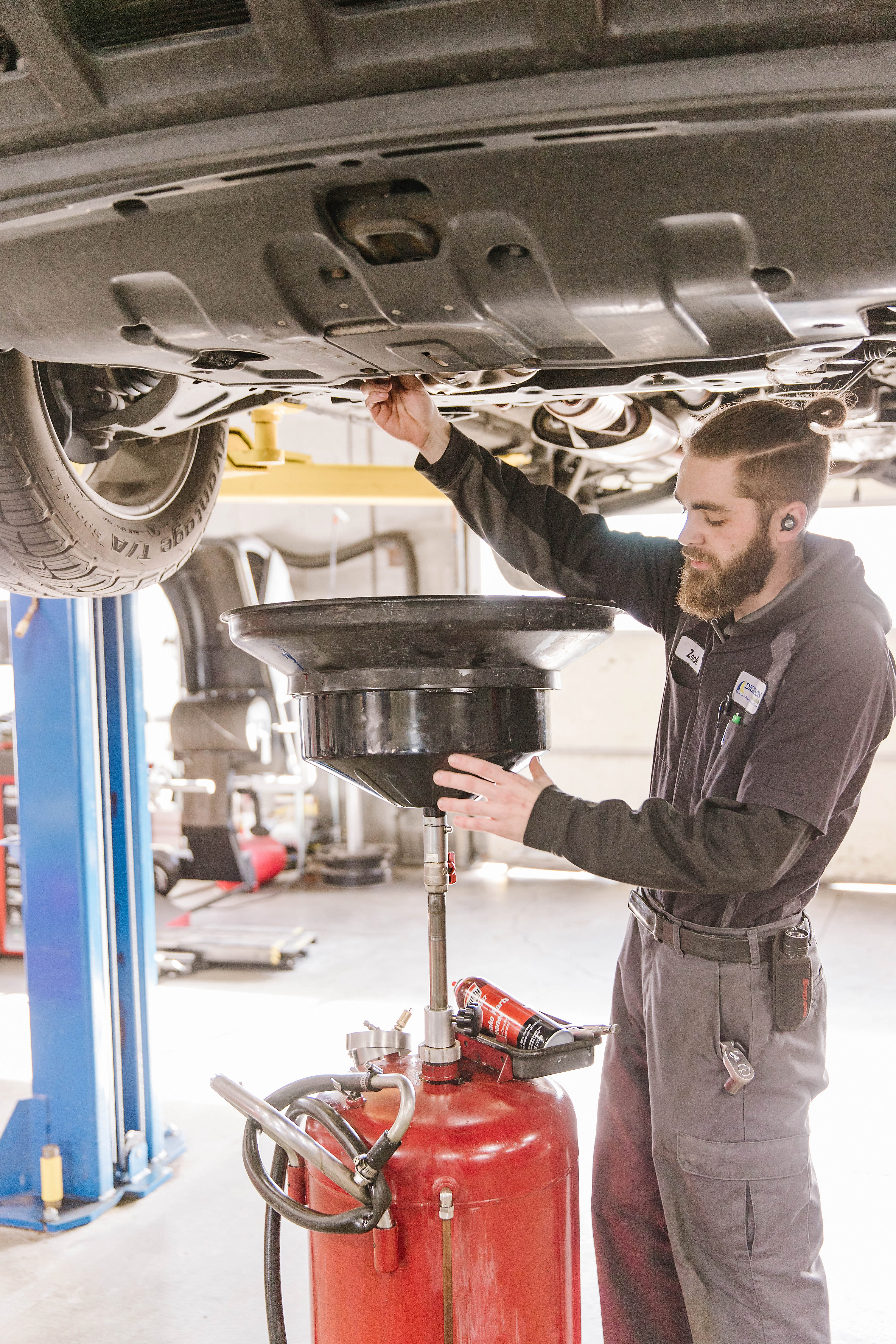
How to Know What Maintenance Your Vehicle Needs—and When Keeping up with vehicle maintenance can feel overwhelming. Between advice from your vehicle’s manufacturer and recommendations from your local shop, it’s not always easy to know what your car actually needs—or when it needs it. So how do you make the right decision for both your vehicle and your budget? Let’s break it down. Why Maintenance Schedules Can Be Confusing Every vehicle comes with a manufacturer-recommended maintenance schedule—designed to help keep your car running efficiently and prevent costly repairs down the road. However, there are times when your repair shop’s recommendations may not perfectly match what’s outlined in your owner’s manual. This can leave you wondering: “Am I being upsold?” “Is this really necessary?” “Can this wait?” The reality is, both the manufacturer and ... read more
Posted on 2/4/2026
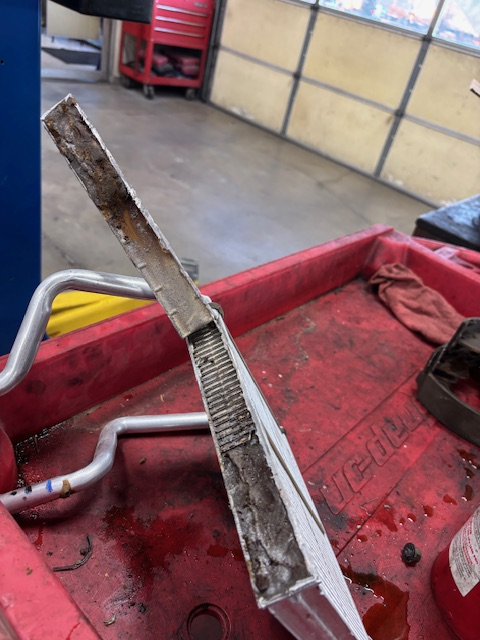
Your vehicle has a leak… and the repair estimate wasn’t exactly what you were hoping for. You jump online looking for options and find products labeled “Stop Leak.” They promise a fast, affordable solution — just pour it in and voilà, problem solved. It sounds like the perfect fix when money is tight or you need to keep your vehicle moving. But what does using stop leak really mean for your vehicle in the long run? Let’s break it down. What Is Stop Leak Designed For? Stop leak products are typically intended for temporary or emergency situations — helping you get from point A to point B until proper repairs can be made. They work by circulating through your system and attempting to seal small leaks. Some potential short-term benefits include: ✔️ Temporary Fix for Small Leaks They may help slow or seal very minor leaks long enough to get you safely ... read more
Posted on 12/23/2025

If your car overheats while sitting at a stoplight or idling in traffic—but seems to cool down once you start driving—you’re not alone. This is a common issue and usually points to a problem in the cooling system that shows up when airflow is limited. Let’s break down the most common reasons your car overheats at idle and what you should do about it. How Your Cooling System Works at Idle When you’re driving, air flows naturally through the radiator to help cool the engine. At idle, your vehicle relies heavily on cooling system components—like the radiator fan and coolant circulation—to regulate engine temperature. If any of these parts aren’t working properly, heat can build up quickly while the vehicle is stopped. Common Reasons a Car Overheats at Idle1. Cooling Fan Not Working Properly One of the most common causes of overheating at idle is a failing or non-opera ... read more
Posted on 11/19/2025
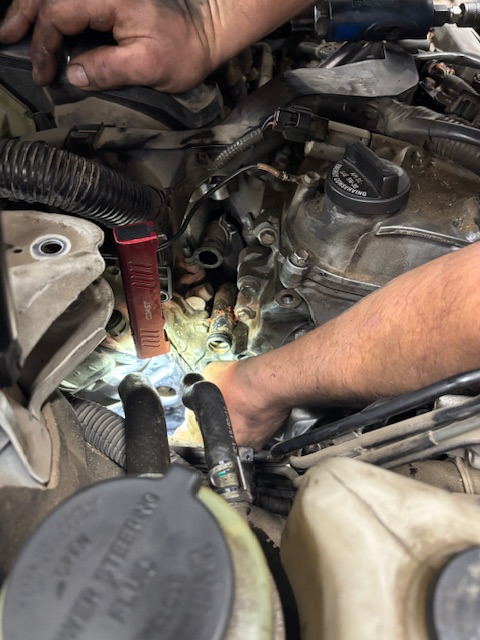
What Does the Water Pump Do? The water pump is a crucial part of your vehicle’s cooling system, it’s hard to find a car without one. This week, we replaced the water pump on a 2005 Toyota Avalon, which got us thinking: What exactly does the water pump do, and how common are failures? The pump circulates coolant (antifreeze) through the engine block, absorbs heat, then sends that hot coolant to the radiator where it’s cooled and recirculated. If the pump fails or leaks, coolant may not circulate properly, leading to engine overheating. Today, we’ll dive into common Toyota water pump issues, though these problems can occur on all makes and models. Why Does a Toyota’s Water Pump Leak? There are several common causes of water-pump leaks. Here are the main ones: 1. Seal and Gasket Wear or Failure Over time, the shaft seal (which surrounds the impeller shaft) or the mounting gasket can wear out, bec ... read more
Posted on 1/8/2025
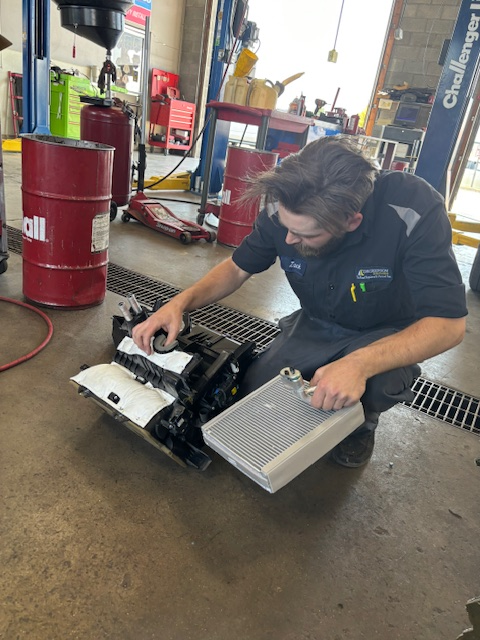
What Are the Signs of a Leaking Heater Core? A leaking heater core can cause a variety of problems in your vehicle, and recognizing the warning signs early can save you from costly repairs. This critical component of your car’s heating and cooling system is essential for maintaining comfort in colder months and ensuring the proper functioning of your vehicle. Here are some key indicators that your heater core might be leaking: Signs of a Leaking Heater CoreFogged-Up Windows When Starting the Vehicle If your windows fog up shortly after starting your car, especially when the heater is on, it could be a sign of coolant vapor leaking from the heater core into the cabin. Coolant on the Floorboards Puddles or a damp feeling on the passenger-side floorboards often indicate a leaking heater core. Coolant has a sweet smell, so if you notice an unusual odor in your car, check for wet spots under the dash. ... read more