Posted on 2/4/2026
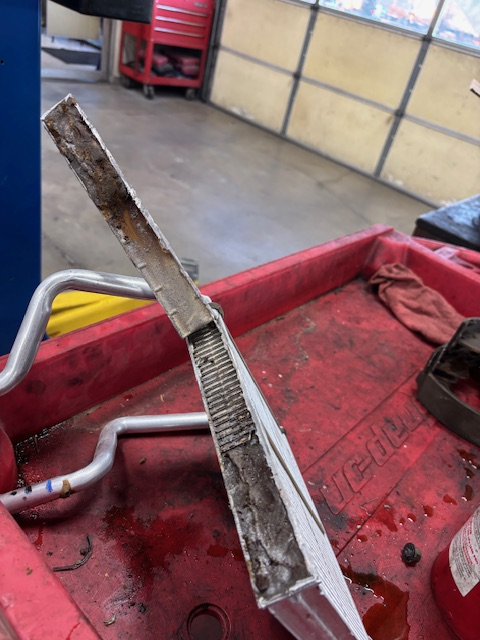
Your vehicle has a leak… and the repair estimate wasn’t exactly what you were hoping for. You jump online looking for options and find products labeled “Stop Leak.” They promise a fast, affordable solution — just pour it in and voilà, problem solved. It sounds like the perfect fix when money is tight or you need to keep your vehicle moving. But what does using stop leak really mean for your vehicle in the long run? Let’s break it down. What Is Stop Leak Designed For? Stop leak products are typically intended for temporary or emergency situations — helping you get from point A to point B until proper repairs can be made. They work by circulating through your system and attempting to seal small leaks. Some potential short-term benefits include: ✔️ Temporary Fix for Small Leaks They may help slow or seal very minor leaks long enough to get you safely ... read more
Posted on 12/23/2025
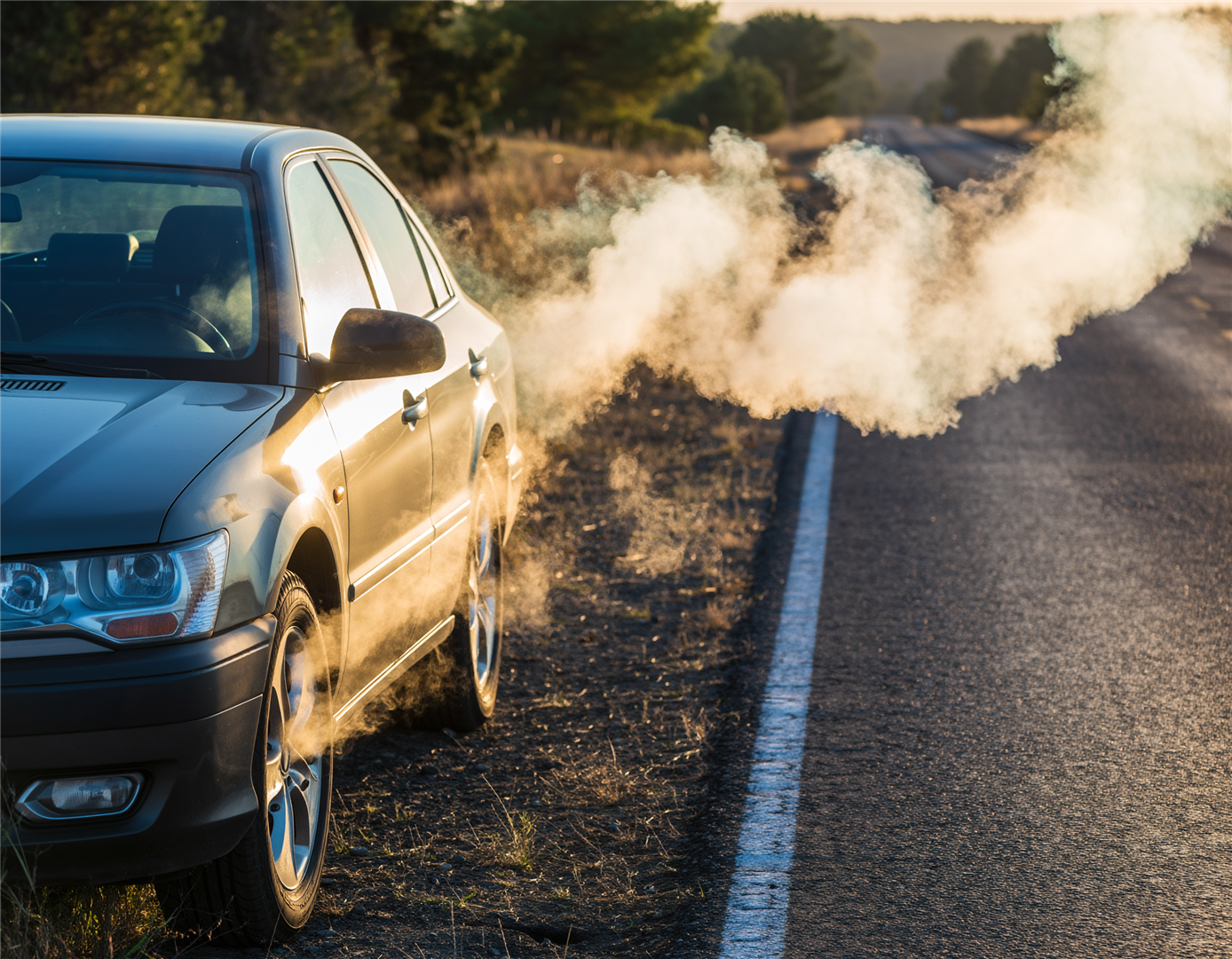
If your car overheats while sitting at a stoplight or idling in traffic—but seems to cool down once you start driving—you’re not alone. This is a common issue and usually points to a problem in the cooling system that shows up when airflow is limited. Let’s break down the most common reasons your car overheats at idle and what you should do about it. How Your Cooling System Works at Idle When you’re driving, air flows naturally through the radiator to help cool the engine. At idle, your vehicle relies heavily on cooling system components—like the radiator fan and coolant circulation—to regulate engine temperature. If any of these parts aren’t working properly, heat can build up quickly while the vehicle is stopped. Common Reasons a Car Overheats at Idle1. Cooling Fan Not Working Properly One of the most common causes of overheating at idle is a failing or non-opera ... read more
Posted on 3/17/2021
.jpeg)
Too much heat presents a great challenge to motor vehicles. Thankfully, all vehicles have a measure to keep themselves cool. The car's engine has a cooling system aided by a coolant, a fluid that runs in the engine and transmits heat away from it. The coolant should remain clean for it to function effectively. Dirty coolant must be flushed out and replaced with a fresh one. But how do you know when your coolant needs flushing? To know this, be on the lookout for the following symptoms. Your Vehicle Overheats As stated above, the role of the coolant is to keep your engine temperatures low. If your temperature gauge is always on the higher side, it means the coolant is no longer performing its duty and needs flushing. An overheating engine can easily break down, resulting in costly repairs. A Maple Syrup Smell From Your Car (Engine) One sure sign that your coolant needs flushing is the smell of maple syrup, butterscotch, or pancakes coming from your engine. The ethylene glycol ... read more