Turbocharged engines have become increasingly common over the last decade. Whether you're shopping for a compact commuter car, an SUV, or even a pickup truck, chances are you've come across a model with a turbocharged engine.
Manufacturers use turbochargers to improve fuel economy while maintaining strong performance, but like any automotive technology, they come with both advantages and disadvantages.
If you're considering purchasing a vehicle with a turbocharger, here's what you should know before making your decision.
What Is a Turbocharger?
A turbocharger is a device that forces additional air into your engine's combustion chamber. More air allows the engine to burn more fuel efficiently, producing more horsepower and torque from a smaller engine.
For example, a modern 2.0L turbocharged engine can often produce similar power to an older 3.5L or even 4.0L naturally aspirated engine.
Pros of Buying a Turbocharged Vehicle
1. More Power from a Smaller Engine
One of the biggest benefits of a turbocharged engine is increased performance.
Turbocharged vehicles typically offer:
- Faster acceleration
- Better passing power on the highway
- Increased towing capability (depending on the vehicle)
You get the performance of a larger engine without the extra engine size.
2. Better Fuel Economy
Because turbocharged engines are generally smaller, they can be more fuel-efficient during everyday driving.
Manufacturers often replace larger V6 engines with turbocharged four-cylinder engines that provide similar performance while using less fuel under normal driving conditions.
Keep in mind that aggressive acceleration or towing can reduce those fuel savings since the turbo works harder under load.
3. Better Performance at Higher Elevations
Living in Utah means many drivers travel through mountain passes and higher elevations.
Naturally aspirated engines lose power as elevation increases because there is less oxygen available.
Turbochargers help compensate by compressing the thinner mountain air, allowing the engine to maintain more of its power. This makes turbocharged vehicles an excellent choice for drivers who frequently travel through canyons or mountain roads.
4. Improved Driving Experience
Turbocharged engines typically produce more torque at lower RPMs, giving you quicker response when merging onto highways or climbing hills.
Many drivers appreciate the extra confidence and smoother acceleration.
Cons of Buying a Turbocharged Vehicle
1. More Maintenance Is Required
Turbochargers operate under extremely high temperatures and can spin over 150,000 RPM.
Because of these extreme operating conditions, proper maintenance becomes even more important.
Skipping oil changes or using the wrong engine oil can significantly shorten the life of the turbocharger.
Following the manufacturer's maintenance schedule is essential.
2. Repairs Can Be More Expensive
Turbochargers add additional components to the engine, including:
- Turbocharger assembly
- Intercooler
- Additional oil and coolant lines
- Boost control components
- Wastegate and sensors
If one of these components fails, repairs can be more expensive than on a naturally aspirated engine.
3. Premium Fuel May Be Recommended
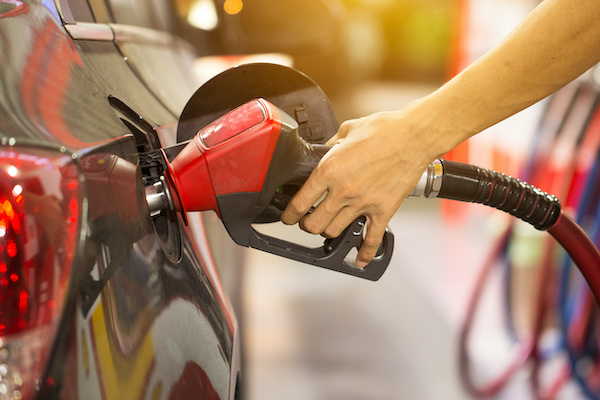
Some turbocharged vehicles are designed to run on premium gasoline for maximum performance.
While many newer turbocharged engines can operate on regular fuel, using premium may improve performance and fuel economy depending on the manufacturer's recommendations.
Always check your owner's manual before choosing your fuel grade.
4. More Heat Means More Wear
Turbochargers generate tremendous heat.
This places additional stress on:
- Engine oil
- Cooling systems
- Hoses and seals
Neglecting maintenance can lead to premature wear and costly repairs.
How to Make a Turbocharged Engine Last
The good news is that today's turbochargers are far more reliable than earlier designs.
With proper maintenance, many turbocharged engines easily last well beyond 150,000 miles.
Here are a few tips to extend the life of your turbo:
- Change your oil on time using the manufacturer-recommended oil.
- Check engine oil levels regularly.
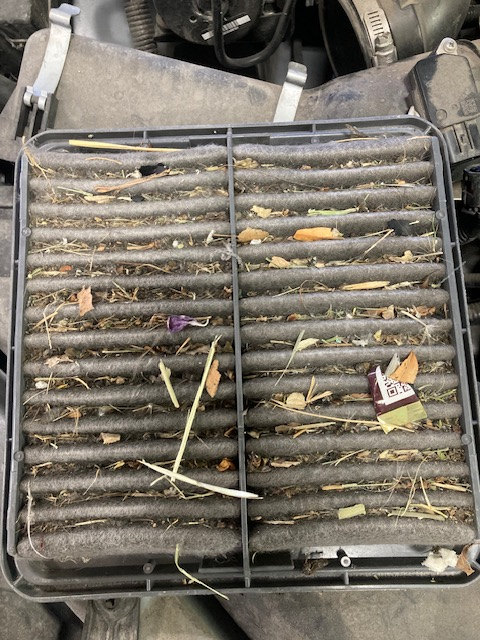
- Replace your engine air filter as recommended.
- Address check engine lights promptly.
- Allow the engine to reach operating temperature before aggressive acceleration.
- After towing or driving hard, allow the engine to idle briefly before shutting it off if recommended by your manufacturer.
Is a Turbocharged Vehicle Right for You?
A turbocharged vehicle may be a great choice if you:
- Want better fuel economy without sacrificing power
- Drive through mountainous areas regularly
- Enjoy responsive acceleration
- Need extra torque for towing or hauling
A naturally aspirated engine may be a better fit if you:
- Plan to keep the vehicle for many years with minimal repair costs
- Prefer simpler engine designs
- Often miss scheduled maintenance
- Want the lowest long-term maintenance expenses
The Bottom Line
Turbocharged engines offer an excellent balance of performance and efficiency, which is why so many manufacturers use them today. While they do require consistent maintenance and can cost more to repair, they can provide years of reliable service when properly cared for.
Whether you're shopping for your next vehicle or already own a turbocharged car or truck, staying on top of oil changes and routine maintenance is the best investment you can make to protect your engine.
At Dickerson Automotive, our ASE-certified technicians can inspect, maintain, and diagnose turbocharged engines to help keep your vehicle running at its best. If you're unsure whether a turbocharged vehicle is the right fit for your driving habits, we're happy to answer your questions and help you make an informed decision.