How to Know What Maintenance Your Vehicle Needs—and When
Keeping up with vehicle maintenance can feel overwhelming. Between advice from your vehicle’s manufacturer and recommendations from your local shop, it’s not always easy to know what your car actually needs—or when it needs it.
So how do you make the right decision for both your vehicle and your budget?
Let’s break it down.
Why Maintenance Schedules Can Be Confusing
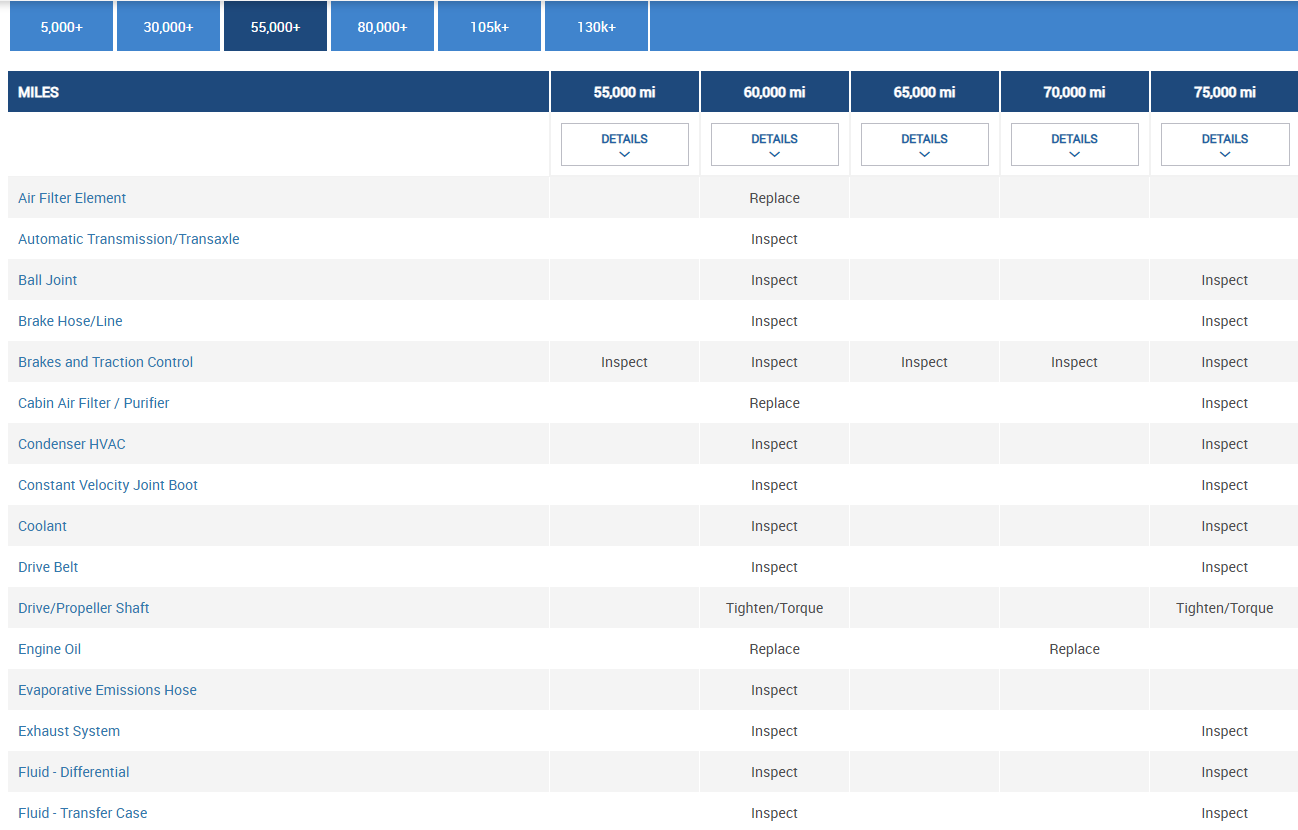
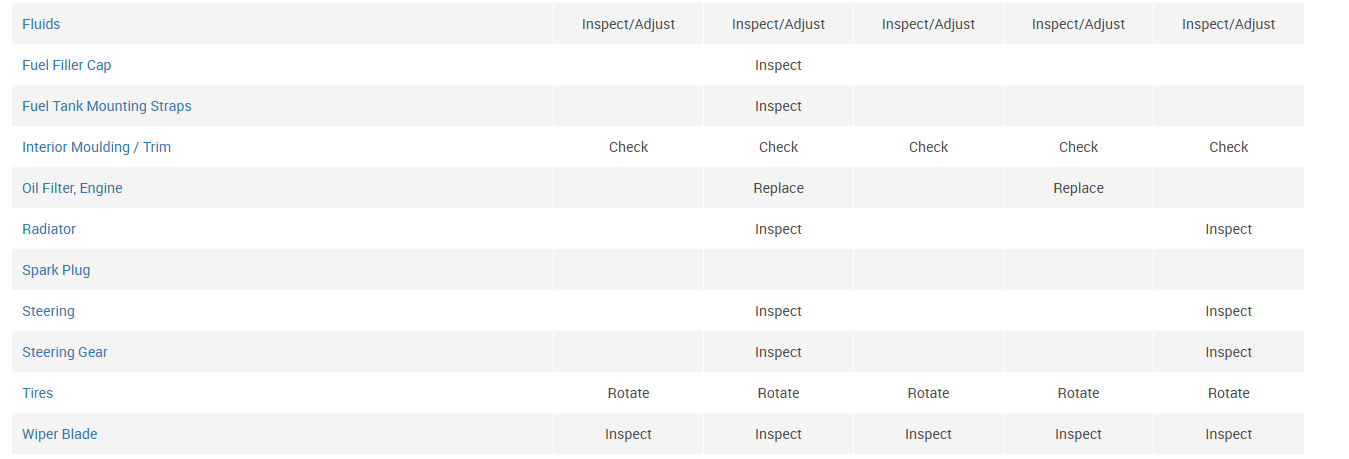
Every vehicle comes with a manufacturer-recommended maintenance schedule—designed to help keep your car running efficiently and prevent costly repairs down the road.
However, there are times when your repair shop’s recommendations may not perfectly match what’s outlined in your owner’s manual. This can leave you wondering:
- “Am I being upsold?”
- “Is this really necessary?”
- “Can this wait?”
The reality is, both the manufacturer and your shop can be right—they may simply be approaching your vehicle’s care from different perspectives.
What matters most is your goal for your vehicle. Are you planning to keep it for many years and maximize its lifespan? Or do you prefer to trade in and upgrade more frequently?
Having a conversation with your service advisor can help you create a maintenance plan that aligns with your goals, your driving habits, and your budget—so you can feel confident you’re making the right decisions for your vehicle.
Understanding Standard vs. Severe Service Schedules
Most manufacturers actually provide two maintenance schedules:
🚗 Standard Service
This applies to vehicles driven under “ideal” conditions, such as:
- Consistent highway driving
- Mild weather
- Minimal stop-and-go traffic
- Light loads
❄️ Severe Service
This applies to many more drivers than people realize. It includes:
- Extreme hot or cold weather
- Short trips (especially under 5–10 miles)
- Stop-and-go traffic
- Towing or hauling
- Dusty or rough road conditions
👉 If you live in an area with cold winters, hot summers, or frequent short trips, your vehicle likely falls under severe service.
Why This Matters for Your Vehicle
If your driving habits fall under severe conditions, your vehicle will require:
- More frequent oil changes
- Earlier fluid replacements
- Additional inspections
- Shorter intervals between services
Following only the standard schedule in these conditions can lead to:
- Premature wear and tear
- Reduced performance
- Costly repairs down the road
How to Decide What’s Right for You
Here’s a simple way to approach it:
✔ Start with your owner’s manual
This gives you a baseline for your vehicle’s needs.
✔ Be honest about your driving habits
Do you take short trips? Drive in traffic? Deal with extreme weather? If so, lean toward the severe schedule.
✔ Talk with a trusted shop
A good shop will:
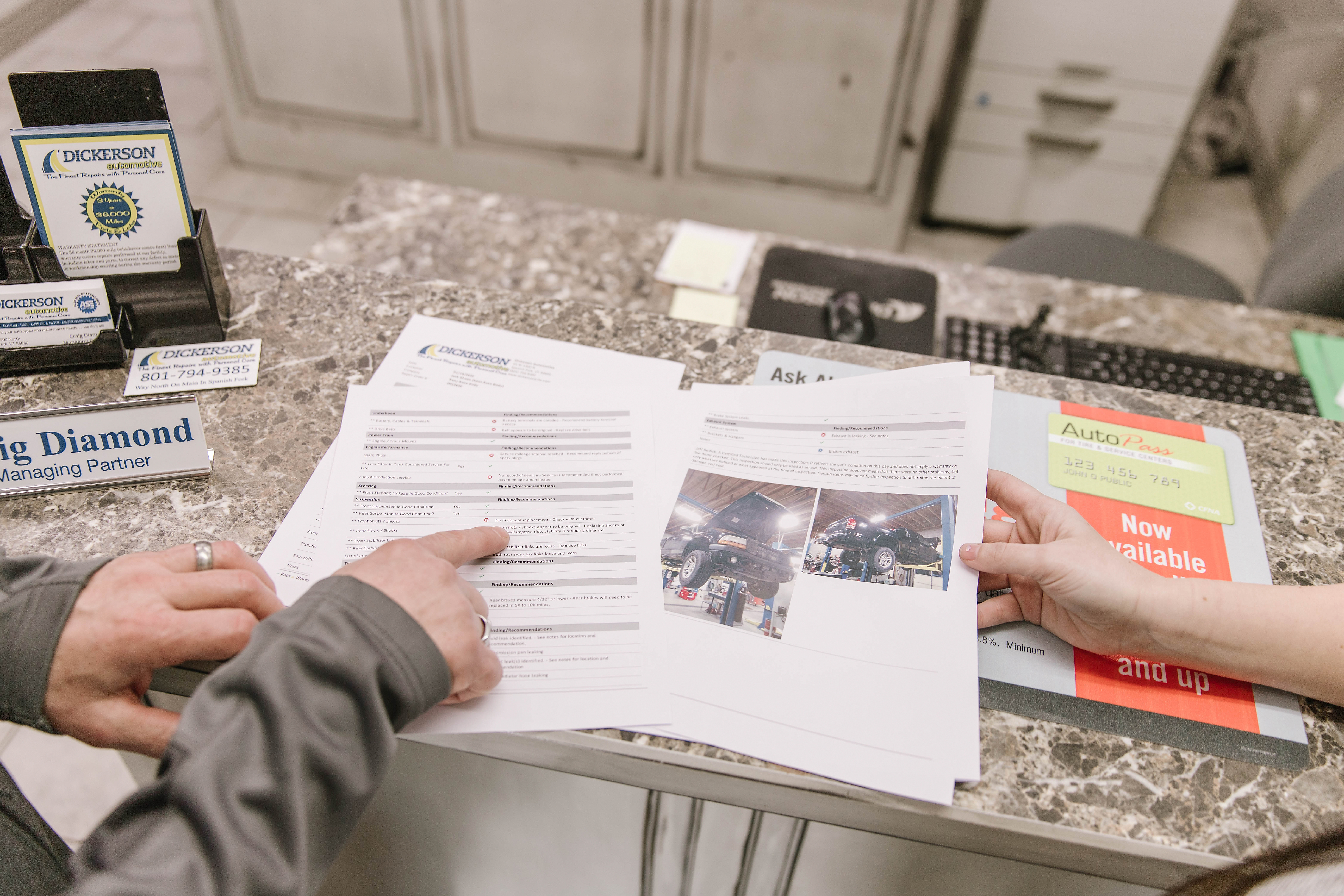
- Explain why a service is recommended
- Prioritize what’s urgent vs. what can wait
- Help you plan maintenance around your budget
Maintenance Shouldn’t Be Guesswork
At the end of the day, maintenance isn’t about doing everything all at once—it’s about doing the right things at the right time.
A solid plan should:
- Keep your vehicle reliable
- Prevent unexpected breakdowns
- Fit your budget over time
Final Thought
If you’re ever unsure, don’t hesitate to ask questions. Dickerson Automotive will always be happy to walk you through your options and help you make informed decisions.
Because when it comes to your vehicle, confidence and clarity go a long way.