How Regular Car Maintenance Improves Fuel Efficiency
Every penny counts, especially when it comes to the money you spend at the gas pump. Many drivers keep a close eye on their miles per gallon (MPG), but not everyone realizes that routine car maintenance plays a huge role in fuel efficiency. With modern vehicles using advanced fuel systems, sensors, and computer controls, keeping up with scheduled maintenance is more important than ever.
If you want to get the best fuel economy, performance, and engine life, these simple maintenance services can help you save money on gas and avoid costly repairs.
Motor Oil Matters More Than Ever
Always use the manufacturer-recommended motor oil for your vehicle. Modern engines are designed with tight tolerances, and the wrong oil viscosity can reduce fuel efficiency and cause engine wear.
Many vehicles require full synthetic oil or low-viscosity oil such as 0W-20 or 5W-30, which helps reduce engine friction and improve gas mileage. Using the correct oil can improve fuel economy by 1–3%.
Benefits of proper oil changes:
- Better gas mileage
- Longer engine life
- Improved engine performance
- Reduced emissions
Regular oil changes and maintenance services are one of the easiest ways to improve fuel efficiency.
Proper Tire Inflation Saves Fuel
Incorrect tire pressure is one of the most common causes of poor gas mileage.
Both underinflated tires and overinflated tires can reduce fuel efficiency, cause uneven tire wear, and make your vehicle unsafe.
Even though newer vehicles have tire pressure monitoring systems (TPMS), they usually only warn when pressure is too low — not too high.
Tips for better fuel economy:
- Check tire pressure monthly
- Check tires before long trips
- Keep tires at factory-recommended PSI
- Rotate tires regularly
- Get wheel alignments when needed
Proper tire maintenance can improve fuel efficiency by up to 3%.
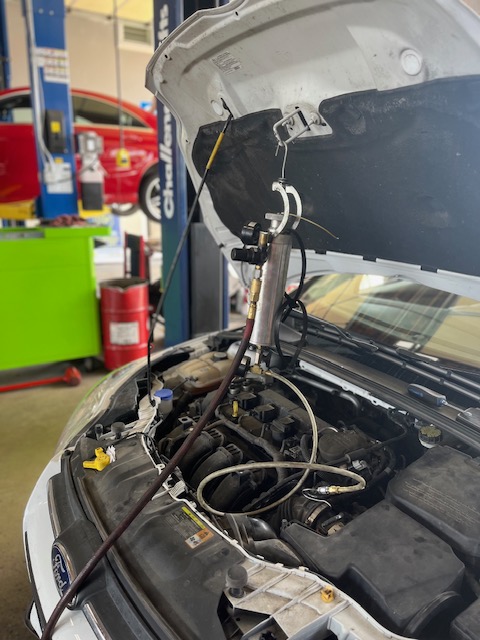
Fuel Injection Service for Modern Engines
Today’s vehicles use high-pressure fuel injection systems, direct injection, and turbocharged engines, which require clean fuel systems to run efficiently.
Over time, carbon buildup and deposits can form in:
- Fuel injectors
- Intake valves
- Throttle body
- Fuel lines
A professional fuel injection service every 15,000 to 30,000 miles helps restore lost fuel economy, improves acceleration, and keeps your engine running smoothly.
Signs you may need fuel system service:
- Reduced MPG
- Rough idle
- Sluggish acceleration
- Check engine light
- Hard starting
Keeping your fuel system clean is key to maintaining maximum fuel efficiency in modern vehicles.
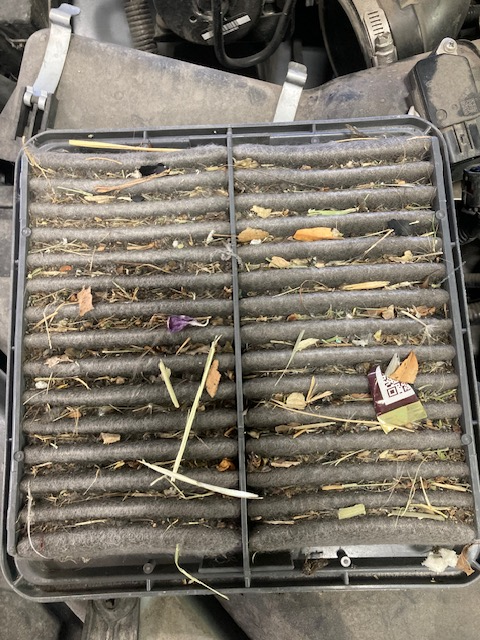
Replace Air Filters for Better Performance
A dirty air filter restricts airflow to the engine, forcing it to work harder and burn more fuel.
Replacing your engine air filter and cabin air filter regularly helps:
- Improve fuel economy
- Increase engine power
- Reduce emissions
- Extend engine life
Most vehicles need an air filter replacement every 12,000–15,000 miles, but dusty conditions may require more frequent service.
Here at Dickerson Automotive we check the air filters during every oil change and inspection, which helps catch problems early.
Spark Plugs and Ignition System Maintenance
Spark plugs ignite the air-fuel mixture inside your engine. When spark plugs wear out, your engine has to work harder, which reduces fuel efficiency.
Common signs of worn spark plugs:
- Engine misfires
- Rough idle
- Poor fuel economy
- Slow acceleration
- Hard starting
Modern vehicles may use long-life spark plugs, but they still need replacement according to the factory maintenance schedule. Most manufacturers recommend every 80,000 to 120,000 miles.
Keeping your ignition system in good condition helps your engine run cleaner and more efficiently.
Wheel Alignment and Suspension Affect Gas Mileage
Many drivers don’t realize that wheel alignment problems can lower fuel economy.
If your wheels are out of alignment, your vehicle has more rolling resistance, which means the engine must use more fuel to move the car.
Signs you may need an alignment:
- Vehicle pulls to one side
- Uneven tire wear
- Steering wheel off center
- Poor gas mileage
Regular alignment and suspension inspections help improve fuel efficiency and extend tire life.
Modern Vehicles Need Regular Computer Diagnostics
Cars rely heavily on engine sensors, computers, and emission systems to control fuel delivery and performance. These will set a check engine light when not working properly.
A faulty sensor can cause your vehicle to use more gas without obvious symptoms.
Routine vehicle diagnostics and inspections help detect problems early, including:
- Oxygen sensor failures
- Mass airflow sensor issues
- Fuel trim problems
- Emission system faults
Fixing these issues quickly can restore lost MPG and prevent expensive repairs.
Keep Your Vehicle Running Efficiently
If you want the best fuel efficiency, engine performance, and reliability, regular maintenance is the key. Simple services like oil changes, tire checks, fuel system cleaning, and tune-ups can save you money every time you fill up.
If you need auto repair, oil changes, fuel injection service, or routine maintenance, bring your vehicle to our Dickerson Automotive. Our experienced technicians can help keep your car running at its best and help you get the most out of every gallon of fuel.
Sources: