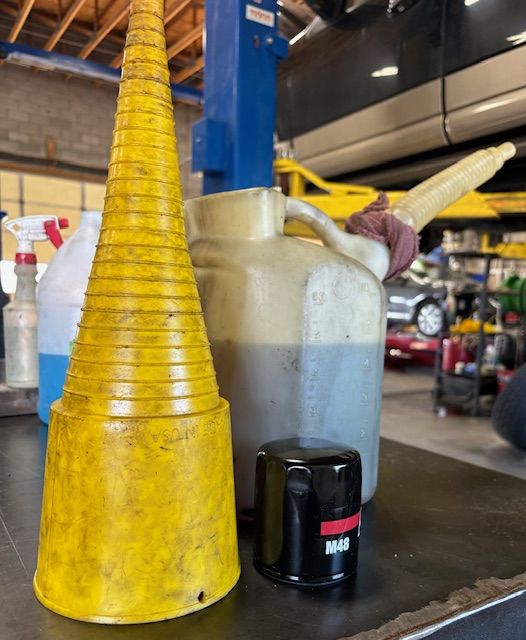
Oil changes are one of the simplest—and least expensive—maintenance services you can do for your vehicle. Yet, they’re also one of the easiest services to put off.
Life gets busy. You’re working, running errands, taking the kids to activities, and suddenly that “oil change due” reminder has been on your dashboard for a few weeks.
But how long can you really wait?
The answer depends on your vehicle, the type of oil it uses, your driving habits, and the manufacturer's recommendations. One thing is certain: waiting too long between oil changes can turn an inexpensive maintenance service into a much more expensive repair.
Why Does Your Engine Need Oil?
Engine oil does much more than simply “keep things lubricated.”
Inside your engine are numerous moving metal components that operate at high temperatures and speeds. Engine oil helps reduce friction between those components while also helping carry away heat, suspend contaminants, and protect internal parts from wear and corrosion.
Over time, however, oil breaks down and becomes contaminated.
As oil ages, it can become less effective at doing its job. Dirt, combustion byproducts, moisture, and other contaminants can build up in the oil. Depending on the engine and operating conditions, sludge and deposits can also form.
That’s why regular oil changes are an important part of protecting your engine.
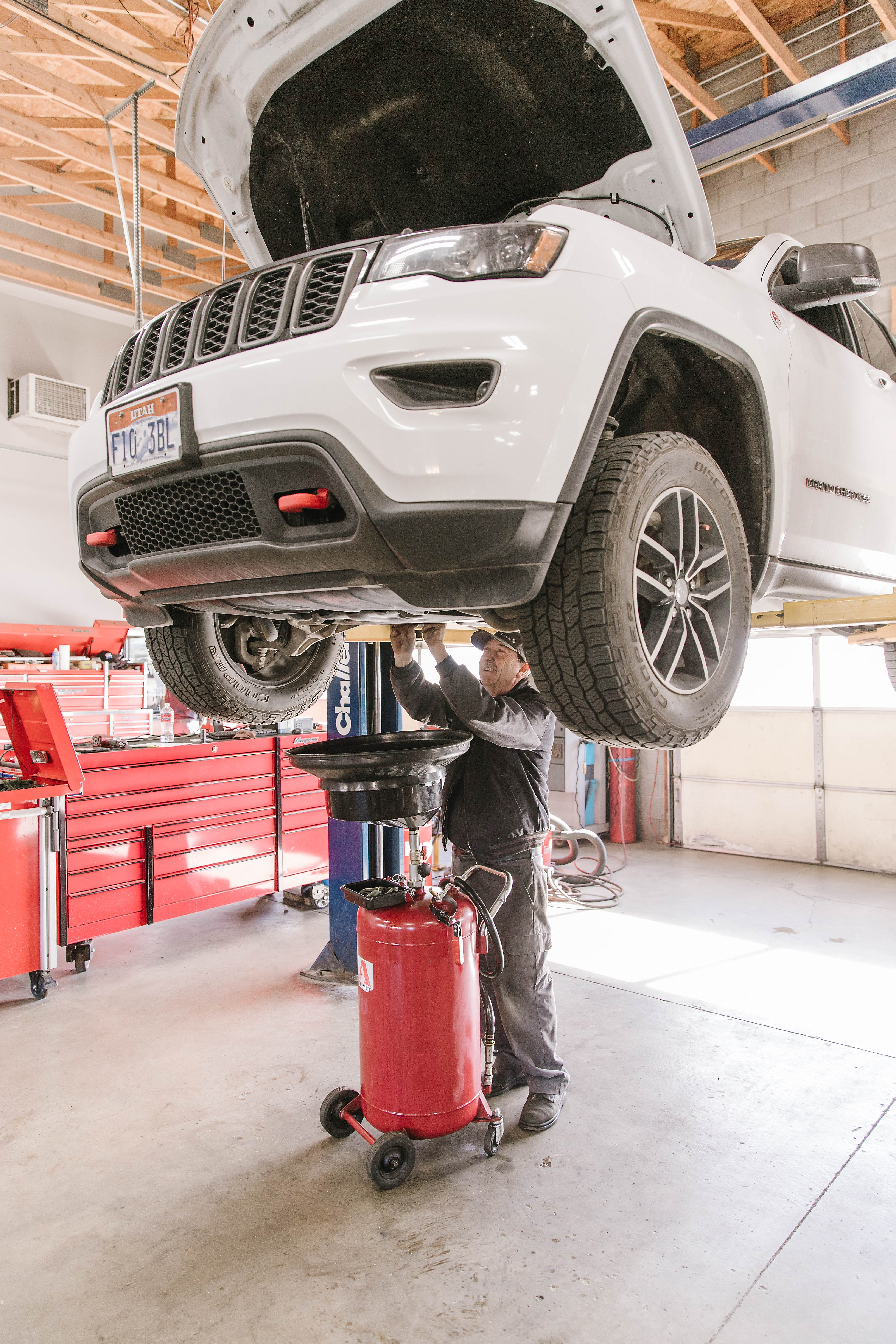
How Often Should You Get an Oil Change?
There isn't one mileage or time interval that works for every vehicle.
Many newer vehicles can go significantly longer between oil changes than older vehicles, particularly when they use modern synthetic oil, Even if your vehicle manufacturer allows a longer interval, we recommend keeping oil changes to 5,000 miles or less to help protect your engine. Your vehicle manufacturer's maintenance schedule should be your starting point.
Depending on the vehicle, oil type, and driving conditions, you may see recommendations based on:
- Mileage
- Months or time since the last oil change
- Oil-life monitoring systems
- Driving conditions
- Engine type and age
Always check your owner's manual for the manufacturer's recommended interval.
Your driving habits can matter, too. Frequent short trips, extensive idling, stop-and-go driving, towing, dusty conditions, and extreme temperatures can place additional demands on your engine and oil.
If your vehicle is regularly used under severe driving conditions, it may require more frequent maintenance.
What Damage Can Old or Dirty Oil Cause?
Putting off an oil change doesn't necessarily mean your engine will fail the next day. The problem is that the damage caused by neglected oil can build gradually.
Old or contaminated oil can contribute to:
Increased Engine Wear
As oil loses some of its ability to lubricate and protect engine components, friction and wear can increase.
Important components such as bearings, pistons, cylinder walls, and other moving parts rely on proper lubrication.
Sludge and Deposits
Neglected oil can contribute to sludge and deposits inside the engine.
Sludge can interfere with oil passages and restrict the flow of oil to areas that need lubrication. In severe cases, this can contribute to significant engine problems.
Reduced Engine Performance
Dirty or degraded oil can affect how efficiently an engine operates. You may notice changes in performance, fuel economy, or overall engine operation.
Increased Heat and Friction
Oil helps reduce friction and assists with heat management inside the engine. When oil is degraded or the oil level is too low, the engine may not receive the protection it needs.
Expensive Internal Engine Damage
The biggest concern is what happens when neglected oil changes contribute to serious internal engine damage.
An oil change may cost a relatively small amount compared with replacing an engine or repairing major internal components.
What Can Waiting Cost You?
This is where putting off an oil change can become a costly gamble.
Think of an oil change as preventative maintenance. You're spending a relatively small amount now to help reduce the risk of a much larger repair later.
For example, delaying an oil change may save you the cost of the service today—but if continued neglect contributes to sludge, lubrication problems, or internal engine damage, the resulting repair could cost thousands of dollars.
Not every delayed oil change will result in catastrophic damage, but there is no benefit to unnecessarily increasing the risk.
An Oil Change Is One of the Cheapest Maintenance Services
Of all the maintenance your vehicle needs, an oil change is generally one of the more affordable services.
Compare the cost of routine oil maintenance with the potential cost of major engine repairs, and the value becomes pretty clear.
Regular maintenance isn't about spending more money on your vehicle. It's about spending a little money to help avoid spending a lot later.
Don't Forget to Check Your Oil Level
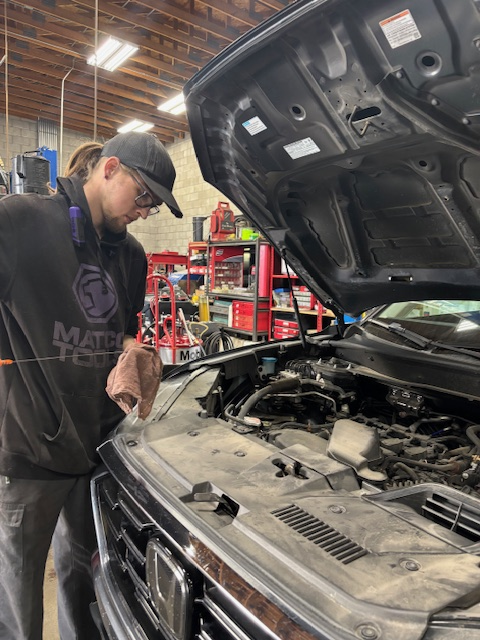
Regular oil changes are important, but so is checking your oil level between services.
An engine can consume or lose oil between oil changes. If the oil level becomes too low, there may not be enough oil available to properly lubricate and protect the engine.
If you notice that you're frequently adding oil between changes, don't simply keep topping it off and ignore the problem. Your vehicle may have an oil leak, be consuming oil, or have another issue that should be diagnosed.
What About the Oil Change Reminder?
If your vehicle has an oil-life monitoring system, pay attention to it.
These systems can use information about your vehicle's operation to estimate when an oil change is needed. However, they don't replace the manufacturer's maintenance schedule or the need to check your oil level.
And if your oil-change reminder has been on for a while, don't keep resetting it and hoping for the best.
Bottom Line: Don't Wait Until There's a Problem
Oil changes aren't usually the most exciting part of vehicle ownership, but they are one of the easiest ways to stay ahead of expensive problems.
Following your manufacturer's recommended maintenance schedule, using the correct oil and filter, and addressing oil leaks or other problems early can help keep your engine properly lubricated and protected.
An oil change is relatively inexpensive. An engine is not.
If you're not sure when your vehicle is due for an oil change, check your owner's manual or ask a qualified automotive professional. It's better to spend a little time and money on preventative maintenance than to find out the hard way what neglected oil can cost.
Is Your Vehicle Due for an Oil Change?
Not sure when your last oil change was? Seeing an oil warning light, noticing an oil leak, or finding yourself adding oil between services?
Don't wait for a small maintenance item to become a major repair. Schedule an inspection or oil change and keep your vehicle's maintenance on track.