There’s nothing worse than heading out on a cold morning, turning the key—or pressing the start button—and hearing click, click, click instead of your engine starting.
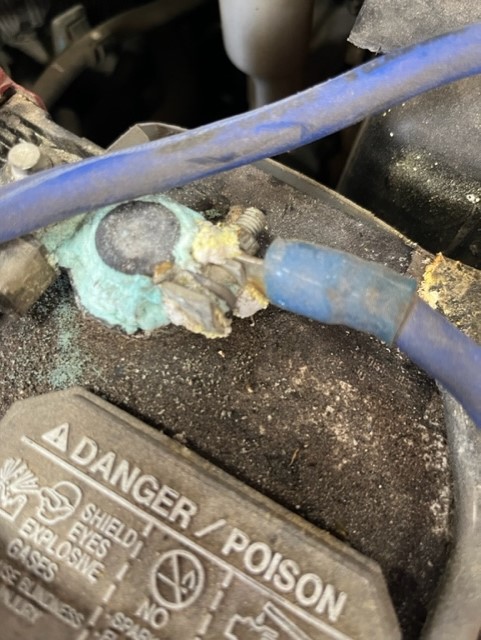
Cold weather can be tough on your vehicle, especially the battery. But how do you know if you have a dead or weak battery, or if the alternator isn’t properly charging the battery?
Understanding the difference can help you know what to do next and prevent you from replacing the wrong part.
Why Cold Weather Can Make Starting Problems Worse
Cold temperatures can reduce the amount of power a battery can provide. At the same time, your engine can require more effort to turn over when temperatures drop.
A battery that was already getting weak may seem perfectly fine on a warmer day but struggle—or completely fail—when the temperature drops.
That means a cold morning starting problem may be the first sign that your battery is reaching the end of its life.
Signs Your Battery May Be the Problem
A weak or failing battery is one of the most common reasons a vehicle won't start on a cold morning.
Watch for these warning signs:
Your engine cranks slowly or sounds like it is struggling to turn over.
You hear rapid clicking when trying to start the vehicle.
Your headlights or interior lights are noticeably dim.
Your vehicle needs a jump-start more than once.
Electrical accessories seem weaker than normal.
The battery is several years old or has shown signs of weakness.
The vehicle starts normally after a jump but struggles again later.
If a jump-start gets your vehicle running but the problem keeps coming back, don't assume you simply need another jump. The battery may not be holding a charge.
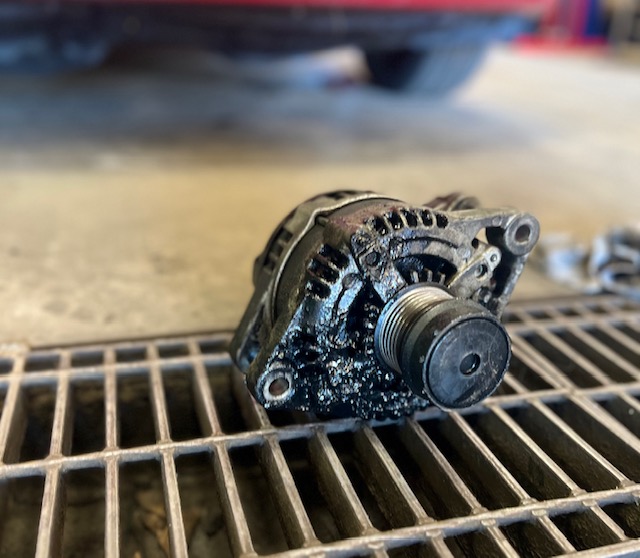
What If the Alternator Is the Problem?
The alternator has an important job: it helps keep the battery charged while the engine is running and supplies electrical power to the vehicle's systems.
If the alternator isn't charging properly, your battery can eventually become discharged—even if the battery itself is relatively new.
Some common signs of a charging-system or alternator problem include:
The battery warning light comes on while driving.
Your headlights become dim or fluctuate.
Electrical accessories don't seem to work normally.
Your vehicle starts after a jump but dies again soon afterward.
You notice unusual whining or grinding noises.
The battery repeatedly goes dead even after being replaced.
You experience multiple electrical problems at the same time.
One important thing to remember: a dead battery does not automatically mean the battery is bad. If the alternator isn't charging the battery, the battery may simply be running out of power.
Battery or Alternator? Here's the Difference
A simple way to think about it is:
The battery provides the power needed to start the vehicle.
The alternator helps recharge the battery and supplies electrical power while the engine is running.
If your vehicle won't start, a technician should test the battery and the charging system rather than automatically replacing the battery.
For example, if your battery is replaced but the alternator isn't charging properly, you could find yourself with another dead battery.
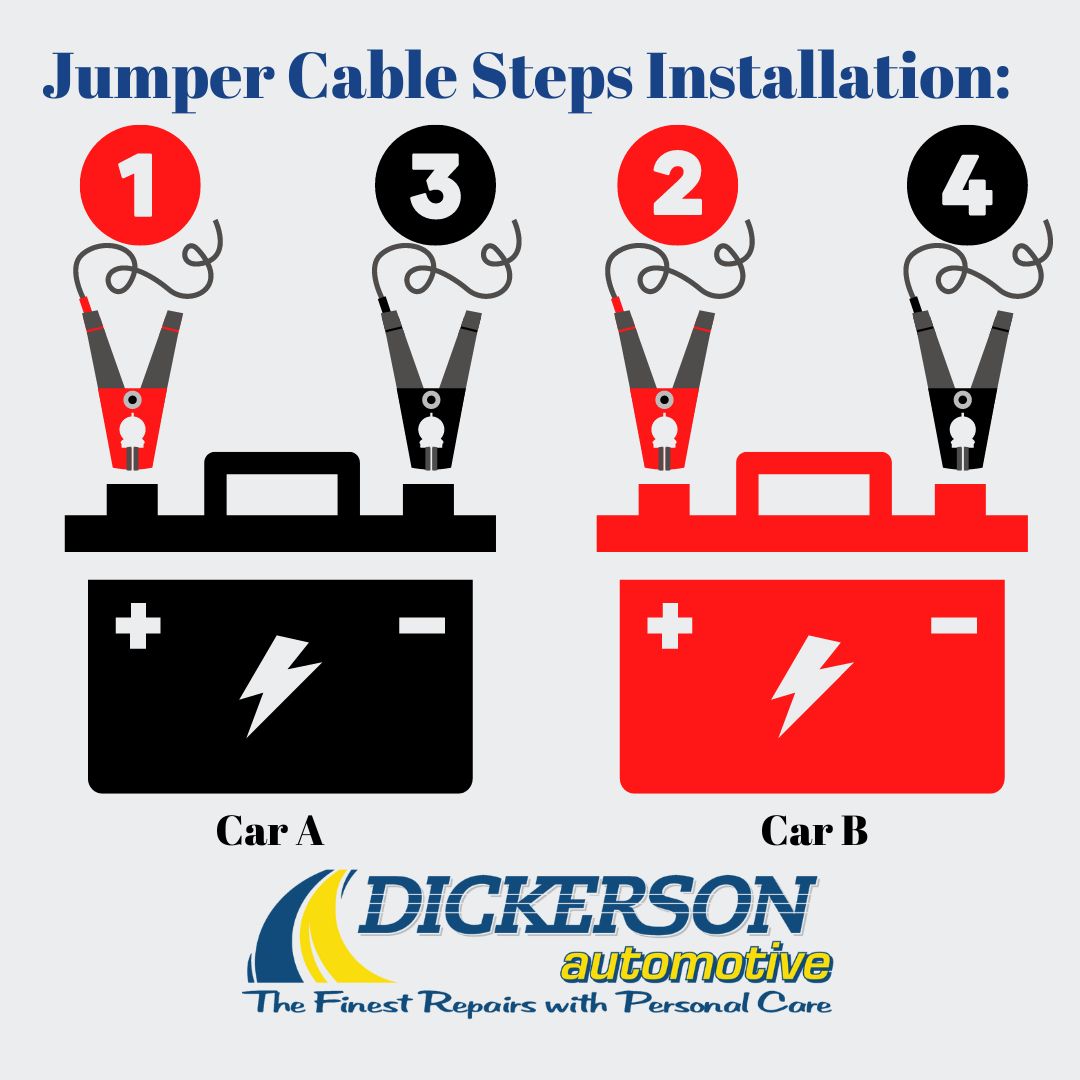
What About a Jump-Start?
A jump-start can get you back on the road, but it doesn't necessarily solve the underlying problem.
If your vehicle starts with a jump and continues running normally, you could have a weak battery. However, if the vehicle dies shortly after being jump-started, or the battery continues to go dead, the charging system should be checked.
It's also important to remember that a jump-start isn't a substitute for diagnosing why the vehicle didn't start in the first place.
Don't Ignore a Battery or Charging-System Warning
Starting problems have a way of becoming inconvenient at the worst possible time. A vehicle that struggles to start on a cold morning may eventually leave you stranded.
If you've noticed slow cranking, repeated dead batteries, dim lights, or a battery warning light, it's worth having the battery and charging system tested.
At Dickerson Automotive, we can help determine whether you're dealing with a battery problem, alternator issue, or another starting/charging-system concern. Our goal is to identify the cause of the problem so you can make an informed decision about the repair.
Cold Morning Starting Problem?
Don't wait until you're stuck in the driveway—or worse, stranded somewhere.
If your vehicle is having trouble starting, bring it in and let us help determine whether the battery, alternator, or another component is causing the problem.
A little testing now can help prevent a much bigger inconvenience later.
Sources:
AAA — How Cold Weather Impacts Your Battery
Covers how cold temperatures affect battery performance, slow cranking, dim lights, jump-starts, battery age, and the relationship between the battery and alternator. AAA
AAA — Dead Battery vs. Bad Alternator
Explains the different jobs of the battery and alternator and provides symptoms that can help distinguish between the two. AAA
Firestone Complete Auto Care — Bad Alternator vs. Bad Battery: What's the Difference?
Provides information on battery symptoms, alternator symptoms, jump-start behavior, and how the two components can affect one another. Firestone Complete Auto Care
AAA — 10 Signs Your Battery Needs Replacing
Covers slow starting, repeated jump-starts, dim or flickering lights, cold-weather starting problems, corrosion, and battery age. AAA
Firestone Complete Auto Care — How to Help Prevent Cold Weather Battery Issues
Explains why cold weather reduces battery capacity and increases the demands placed on the battery during starting. Firestone Complete Auto Care