Have you ever had your check engine light come on, only to have your vehicle seem to be running perfectly? One possible reason is a problem with the evaporative emissions system, commonly called the EVAP system.
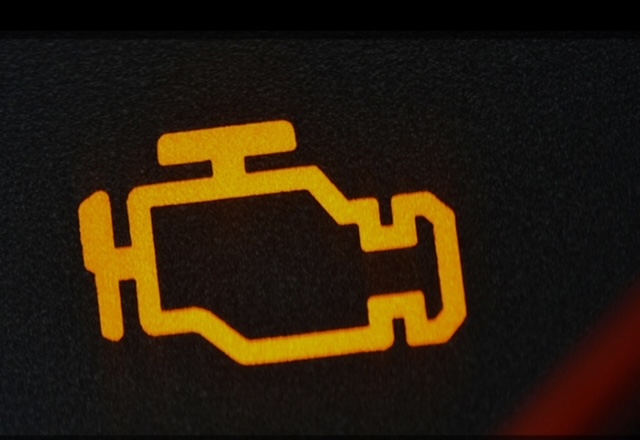
An EVAP leak is a common reason for a check engine light, and while your vehicle may still drive normally, it is important to have the problem diagnosed rather than simply ignoring the warning light.
What Is the EVAP System?
The EVAP system is designed to prevent gasoline vapors from escaping into the atmosphere. Instead of allowing fuel vapors from the gas tank to vent into the air, the system captures and stores those vapors until they can be safely burned by the engine.
The EVAP system includes several components, including:
- Fuel tank
- Gas cap or fuel filler system
- EVAP hoses and lines
- Charcoal canister
- Purge valve
- Vent valve
- EVAP pressure sensor
All of these components work together to control fuel vapors and help your vehicle meet emissions requirements.
What Causes an EVAP Leak?
An EVAP leak can be caused by something as simple as a loose or damaged gas cap, but there are many other possibilities.
Common causes include:
- Cracked or disconnected EVAP hoses
- A damaged gas cap or seal
- Faulty purge or vent valves
- Damaged charcoal canister
- Failed EVAP pressure sensor
- Cracks in the fuel tank or filler neck
- Damaged EVAP lines or fittings
Sometimes the leak is large enough to find relatively quickly. Other times, the leak can be extremely small and require specialized diagnostic equipment to locate.
What Does an EVAP Leak Feel Like?
One of the tricky things about an EVAP leak is that you may not notice any difference in how your vehicle drives.
Unlike some engine problems, an EVAP leak doesn't necessarily cause a rough idle, loss of power, or unusual noises. The main symptom may simply be the check engine light.
You may also notice:
- A fuel smell in some situations
- Difficulty filling the fuel tank
- The check engine light coming on
- An emissions test failure
- In some cases, difficulty starting the vehicle after refueling
Because there can be several different causes for an EVAP-related trouble code, a diagnostic test is needed to determine exactly what is wrong.
Why Is My Check Engine Light On?
Your vehicle's computer constantly monitors the EVAP system for leaks and other problems. During certain conditions, the vehicle performs an EVAP system test.
If the computer detects that the system isn't holding the expected pressure or vacuum, it can store a diagnostic trouble code and turn on the check engine light.
You may see codes such as P0440, P0442, P0455, P0456, or other EVAP-related codes. The specific code can provide valuable information, but it does not always identify the exact failed component.
For example, a small EVAP leak code doesn't automatically mean that a particular valve or hose needs to be replaced. Proper testing is important before replacing parts.
Can You Drive With an EVAP Leak?
In many cases, an EVAP leak does not immediately affect the way the vehicle drives. However, that doesn't mean you should ignore the check engine light.
If the light is steady, schedule a diagnostic inspection so the problem can be identified and repaired.
If the check engine light is flashing, that's a different situation. A flashing check engine light can indicate a more serious engine problem that could cause damage to the catalytic converter. In that situation, it's best to have the vehicle inspected as soon as possible and avoid unnecessary driving.
How Is an EVAP Leak Diagnosed?
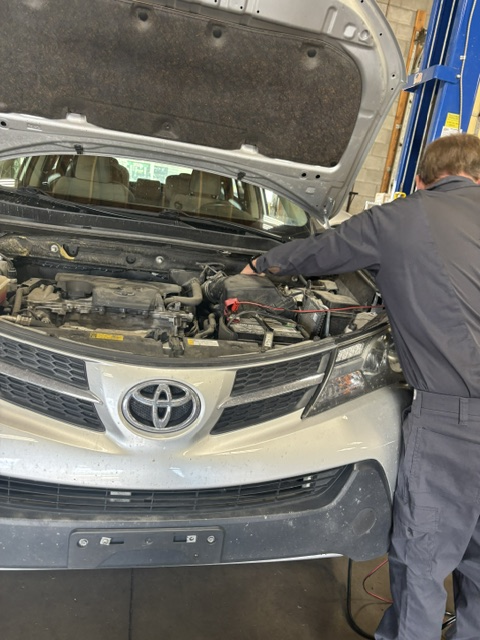
Finding an EVAP leak can sometimes be challenging because many of the components are hidden throughout the vehicle.
A technician may use diagnostic equipment to test the EVAP system and determine whether it can hold pressure or vacuum. A smoke test may also be used to help locate a leak.
During a smoke test, a small amount of specialized smoke is introduced into the EVAP system. If there is a leak, the smoke can escape from the damaged area, helping the technician locate the problem.
The goal isn't simply to find an EVAP code—it is to determine why the code was set and what component actually needs repair.
Don't Ignore That Check Engine Light
A check engine light can be caused by many different problems, ranging from something relatively simple to a repair that needs immediate attention.
An EVAP leak may not make your vehicle feel any different, but it can affect your vehicle's emissions system and may prevent it from passing an emissions inspection.
If your check engine light is on, having the vehicle properly diagnosed can help prevent unnecessary parts replacement and get you back on the road with confidence.
Check Engine Light or EVAP Problem?
At Dickerson Automotive in Spanish Fork, Utah, our ASE Certified technicians can help diagnose check engine lights and emissions-related problems. We can test your vehicle to determine what is causing the warning light and recommend the appropriate repair.
Don't guess at the problem—let's find out what's really causing that check engine light.