Brake Pads: Understanding Brake Pad Measurements and What Can Happen If You Wait Too Long
Your vehicle’s brake system is one of the most important safety features on your car, truck, or SUV. Brake pads wear down over time, and understanding brake pad measurements can help you avoid expensive brake repairs and dangerous driving conditions.
What Are Brake Pads?
Brake pads are a key component of your vehicle’s disc brake system. When you press the brake pedal, the brake pads clamp against the brake rotors to safely slow and stop your vehicle.
Brake pads consist of a solid steel backing plate with friction material attached to it. The friction material can vary depending on the application and may be ceramic, semi-metallic, or organic material.
Over time, the friction material wears away through normal driving. Regular brake inspections help monitor the remaining brake pad thickness and determine when replacement is needed.
Understanding Brake Pad Measurements
Brake pad thickness is typically measured in thirty-seconds of an inch. New brake pads generally start around 10–12/32 thick, depending on the vehicle manufacturer.
Here is a general guideline for brake pad wear:
- 10–12/32: New brake pads
- 6–8/32: Moderate wear, still in good condition
- 4/32: Time to begin planning for brake service
- 3/32 or less: Brake pads are considered worn out and should be replaced soon
- 2/32 or less: Unsafe driving condition that can damage other brake components
Many repair shops recommend replacing brake pads around 3–4/32 to help prevent damage to the brake rotors and maintain proper stopping performance.
Signs Your Brake Pads May Be Worn Out
Worn brake pads often show warning signs before complete failure. Common symptoms include:
- Squeaking or squealing brakes
- Grinding noises while braking
- Vibrations when stopping
- Longer stopping distances
- Brake warning light illuminated
- Low brake pad measurements during inspection
If you hear grinding, the brake pads may already be worn completely through, allowing metal-to-metal contact with the rotors.
What Happens If You Wait Too Long to Replace Brake Pads?
Ignoring worn brake pads can lead to expensive repairs and serious safety risks. As brake pads wear excessively, they can damage the brake rotors, create excessive heat, and affect overall braking performance.
Extreme heat buildup can also damage brake calipers and cause brake fluid to overheat. When brake fluid gets too hot, it can begin to form air bubbles in the system, causing brake pedal fade and reduced stopping ability.
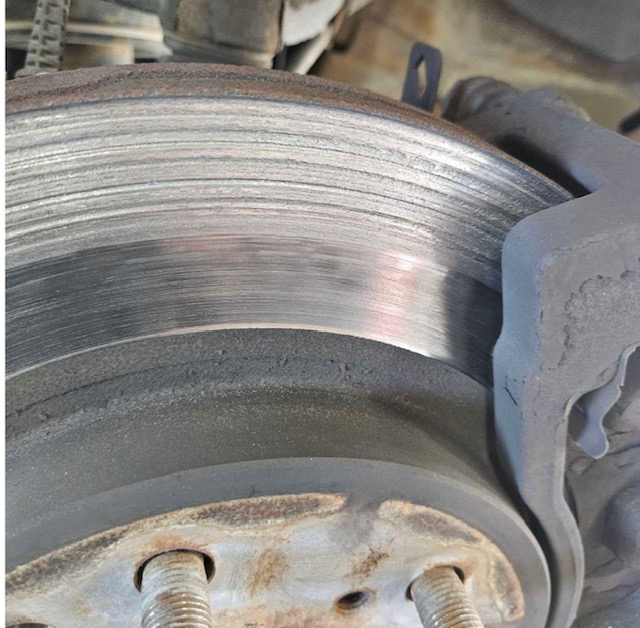
Damaged Brake Rotors
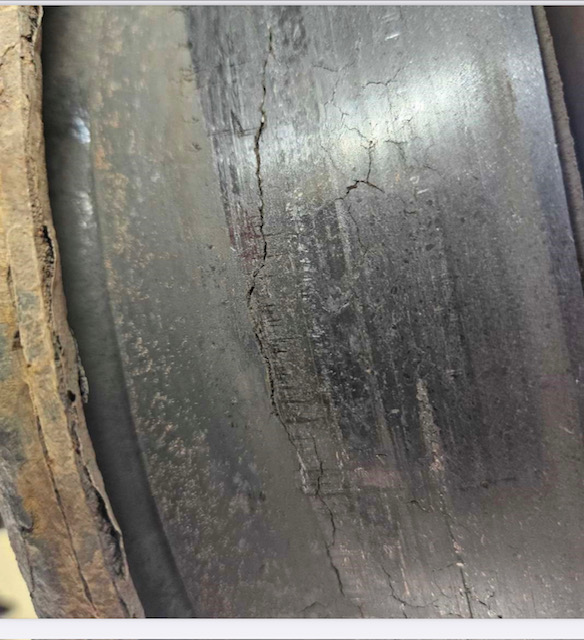
One of the most common problems caused by worn brake pads is rotor damage. Once the friction material wears away, the metal backing plate contacts the rotor surface, causing deep grooves, overheating, and excessive wear.
When brake pads are replaced around 3–4/32, the rotors often still have normal wear and may qualify for resurfacing if enough material remains. This can help save the cost of complete rotor replacement.
Increased Stopping Distance
Thin brake pads cannot dissipate heat properly, reducing brake efficiency. This can increase stopping distances and reduce your ability to stop quickly during emergencies.
Brake Caliper Damage
Extremely worn brake pads can create excessive heat that damages brake calipers, hardware, and other braking system components. This can turn a routine brake service into a major brake repair.
One common sign of caliper problems is uneven brake pad wear from side to side.
Unsafe Driving Conditions
Driving with severely worn brake pads can compromise vehicle safety, especially during wet weather, towing, mountain driving, or sudden stops.
How Often Should Brake Pads Be Checked?
Brake pads should typically be inspected during routine maintenance, tire rotations, or oil changes. Driving habits, towing, traffic conditions, and vehicle type all affect brake pad lifespan.
Regular brake inspections can help catch wear early and save money by preventing rotor and caliper damage.
Schedule a Brake Inspection
If your brakes are squeaking, grinding, vibrating, or if it has been a while since your last brake inspection, now is the time to have your braking system checked.
Replacing brake pads before they wear completely out can help improve safety, restore braking performance, and prevent costly repairs down the road.