Posted on 1/21/2026
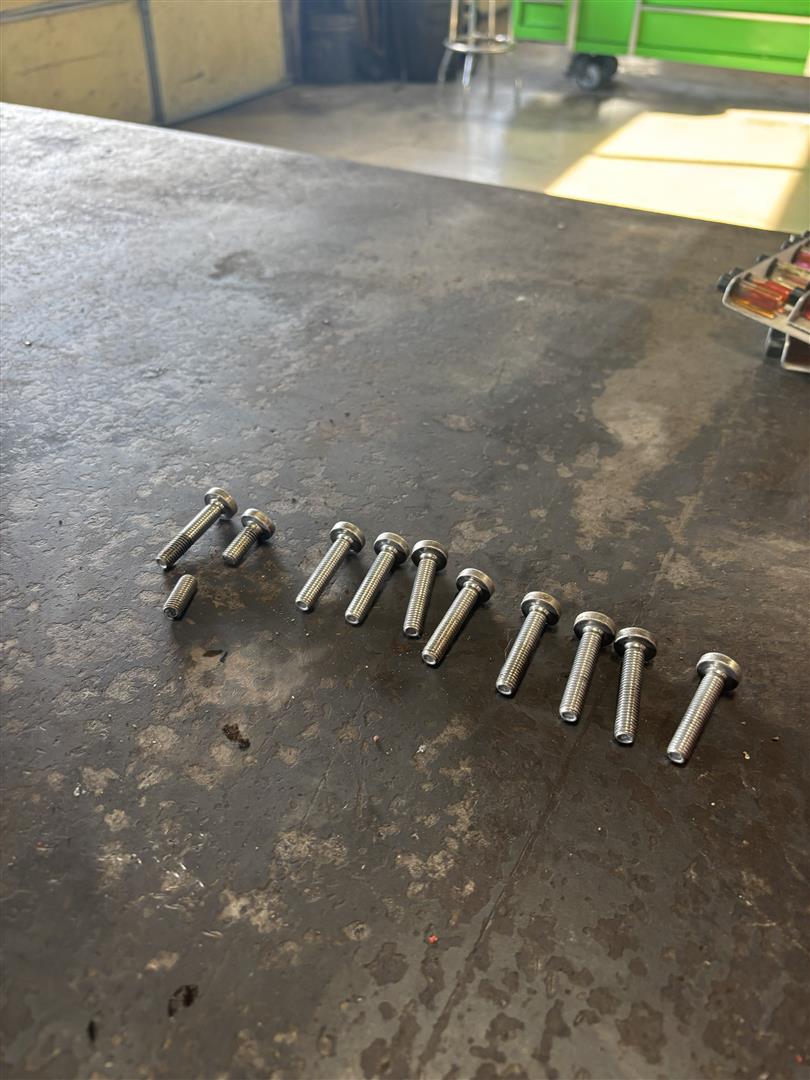
Why Mercedes Intake Manifold Bolts Fail: A Closer Look One frustrating—and more common than many owners realize—issue seen on Mercedes vehicles, particularly those equipped with the M272 and M273 engines, is intake manifold bolt failure. While this problem isn’t as severe as a major engine failure, it can still cause drivability concerns, trigger check engine lights, and lead to costly repairs if it’s not addressed early. 🔍 What Causes Intake Manifold Bolts to Break? Several factors contribute to the failure of intake manifold hardware: 1. Heat Cycles and Metal Fatigue The intake manifold and its mounting bolts are exposed to extreme temperature changes every time the engine runs. As the engine heats up and cools do ... read more
Posted on 1/15/2026

Why Using Quality Auto Parts Matters for Vehicle Performance and Longevity When it comes to professional auto repair, one of the most important factors in long-term vehicle health is the quality of the parts used. While cheaper replacement parts may seem like a cost-saving option upfront, they often lead to reduced performance, frequent repairs, and higher costs over time. At Dickerson Automotive, we believe that using high-quality auto parts is essential to delivering reliable, long-lasting repairs you can trust. Improved Reliability and Vehicle Performance High-quality auto parts are designed to meet or exceed manufacturer specifications, ensuring dependable performance and consistent operation. Whether it’s brake components, spark plugs, suspension parts, or engine components, quality parts help your vehicle run smoothly and efficiently. Low-grade parts can wear out quickly or fail prematurely, increasing t ... read more
Posted on 1/7/2026
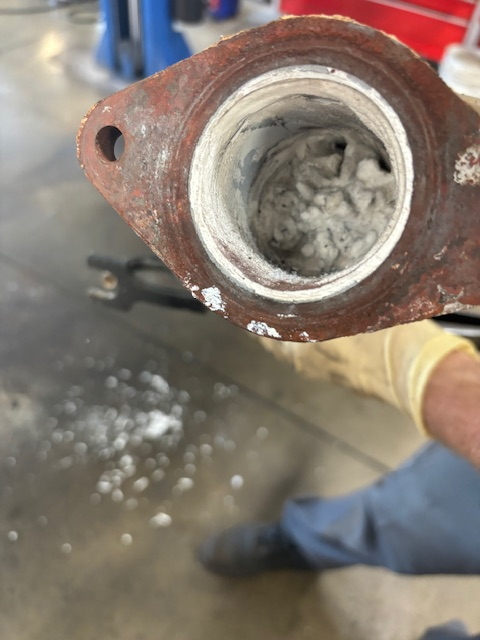
Over the last several years, catalytic converters have become a hot topic—between emissions regulations, rising repair costs, and increased theft. But what exactly is a catalytic converter, and why is it so important to your vehicle? What Is a Catalytic Converter? A catalytic converter is a critical part of your vehicle’s exhaust system, located between the engine and the muffler. Its job is to reduce harmful emissions by converting toxic gases produced during combustion—such as carbon monoxide, hydrocarbons, and nitrogen oxides—into less harmful gases before they exit the tailpipe. While a vehicle can technically run without a catalytic converter, driving without one is strongly discouraged. In most states, it is illegal and can result in: Increased air pollution A much louder exhaust A triggered check engine light Possible damage to other exhaust components Fai ... read more