30,000-Mile Vehicle Maintenance: Make a Plan to Keep Your Car Running Well
Is your vehicle approaching 30,000 miles? It may be time to look beyond the oil change.
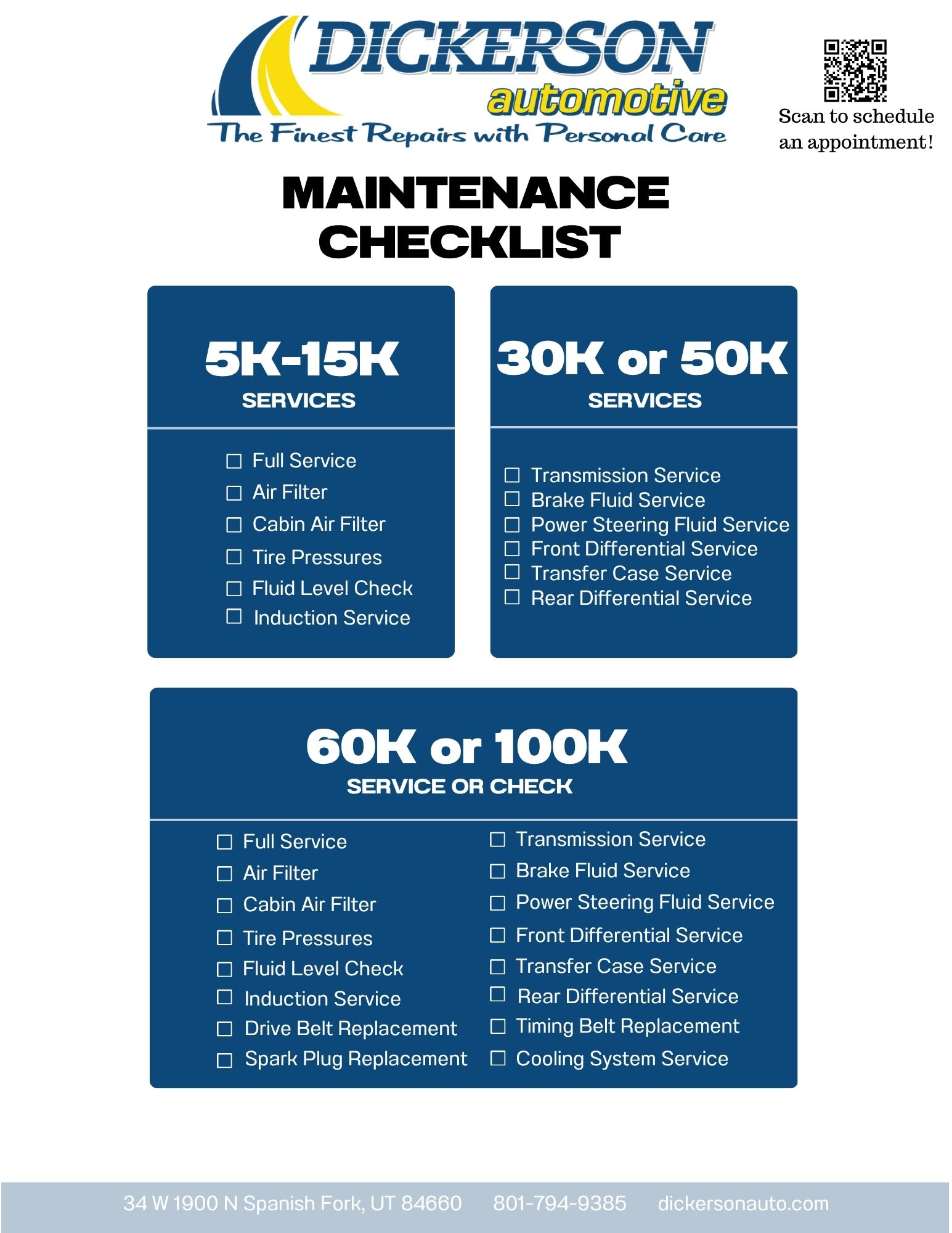
Thirty thousand miles is an important maintenance milestone for many cars, trucks, and SUVs. While every vehicle has its own manufacturer-recommended maintenance schedule, this is a good time to review what your vehicle needs and start planning for upcoming maintenance.
At Dickerson Automotive, we believe you shouldn't just have a repair plan—you should have a vehicle maintenance plan.
Tell us how long you want to keep your vehicle. We'll help you make a plan.
What Is 30,000-Mile Maintenance?
A 30,000-mile service is not necessarily the same for every vehicle.
Your owner's manual provides the maintenance schedule specific to your make, model, engine, and driving conditions. Some manufacturers may recommend additional inspections or services around 30,000 miles, while others may schedule certain services later.
The important thing is not to assume that every vehicle needs the same checklist.
Instead, 30,000 miles is a great reminder to review your vehicle's maintenance plan.
Depending on your vehicle, this may include inspections or services such as:
- Oil and filter service
- Tire rotation and tire inspection
- Brake inspection
- Engine air filter
- Cabin air filter
- Battery and charging system
- Belts and hoses
- Steering and suspension
- Cooling system
- Fluid levels and condition
- Transmission or differential service
- Spark plugs or ignition components
- Manufacturer-recommended maintenance
Some vehicles may call for specific fluid services or component replacements at this mileage, while others may not. That's why checking your vehicle's specific maintenance schedule is so important.
Why Is 30,000-Mile Maintenance Important?
Regular maintenance isn't just about checking boxes on a service schedule.
It's about finding potential problems early, keeping up with normal wear, and knowing what your vehicle may need next.
Staying current with routine maintenance can help you avoid letting small issues turn into larger repairs. Regular inspections can also give you a better idea of your vehicle's overall condition and help you plan for future expenses.
Think of your maintenance schedule as a roadmap for your vehicle.
You don't necessarily need to do everything at once. You need to know where you are, where you're going, and what maintenance is coming up along the way.
What Should Be Checked at 30,000 Miles?
1. Oil and Filter
Regular oil changes are one of the most important parts of routine vehicle maintenance.
Engine oil lubricates and helps cool internal engine components, while the filter helps remove contaminants from the oil. The correct oil type and change interval depend on your specific vehicle, so follow the manufacturer's recommendations.
If you're approaching 30,000 miles, it's a good time to make sure your oil-change schedule is up to date.
2. Tires
Your tires are the only part of your vehicle actually touching the road, making their condition important for both safety and performance.
A tire inspection can look at:
- Tread depth
- Tire pressure
- Uneven wear
- Cracks or damage
- Alignment-related wear
- Overall tire condition
Regular tire rotations can also help promote more even wear when recommended for your vehicle.
3. Brakes
Your brakes should be inspected regularly rather than waiting until they make noise or feel different.
A brake inspection may include checking:
- Brake pad thickness
- Rotors
- Calipers
- Brake fluid
- Brake lines and hoses
- Overall braking performance
Brake wear varies considerably based on the vehicle and driving habits, which is why regular inspections are important.
4. Engine and Cabin Air Filters
Air filters are easy to overlook.
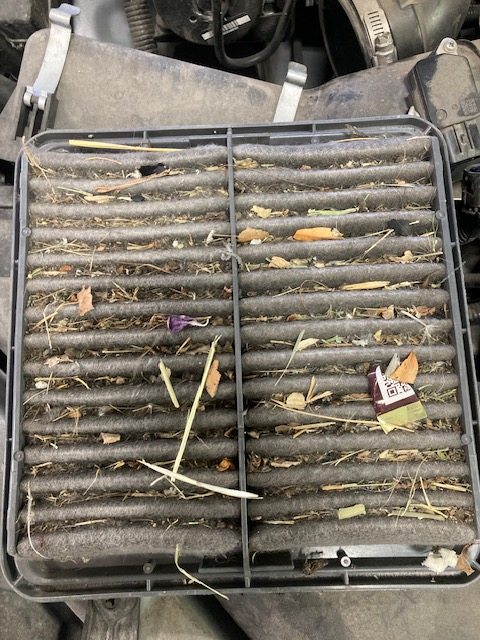
The engine air filter helps keep dirt and debris out of the engine's air intake system. The cabin air filter helps filter the air entering the passenger compartment.
Some manufacturers recommend replacing these filters at specific mileage intervals, while others recommend inspecting them and replacing them as needed.
5. Battery and Charging System
A vehicle can have a perfectly good-looking battery and still have a problem with its starting or charging system.
Checking the battery and charging system can help identify:
- Weak battery performance
- Charging problems
- Corrosion
- Loose connections
- Potential starting issues
This can be especially important before seasonal temperature changes.
6. Belts and Hoses
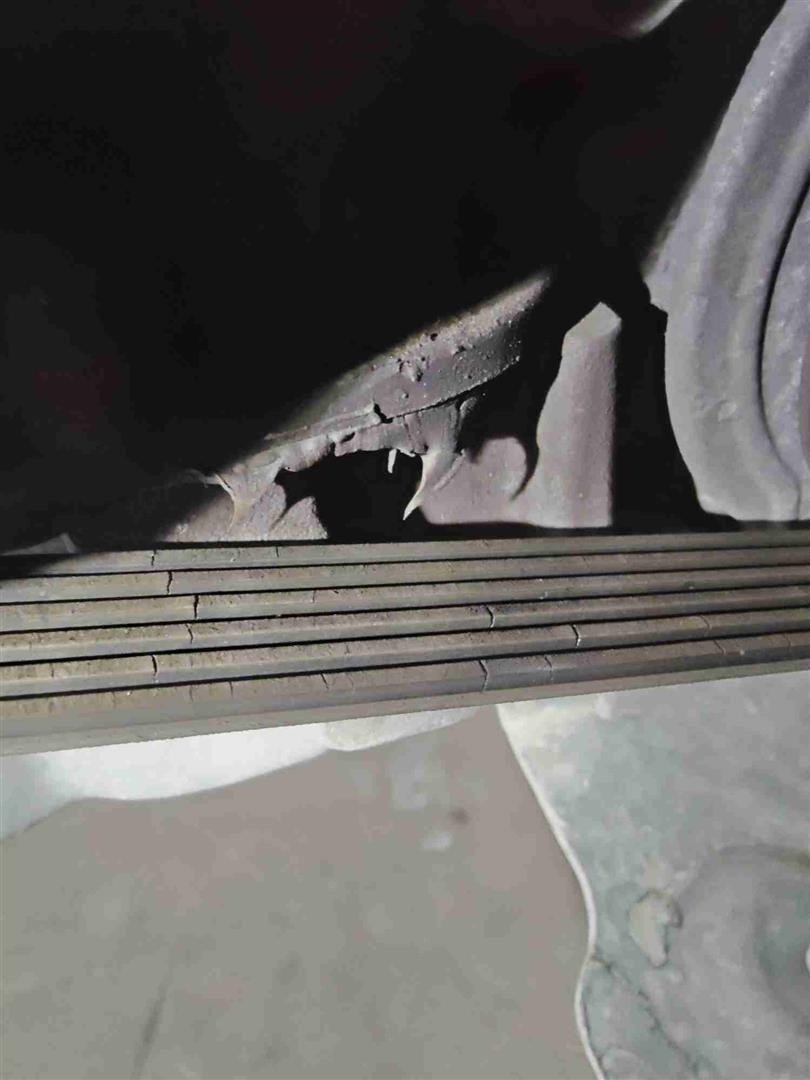
Belts and hoses are easy to ignore because you generally don't think about them until something goes wrong.
During an inspection, a technician may look for signs of:
- Cracking
- Leaking
- Fraying
- Bulging
- Excessive wear
- Other damage
The exact replacement schedule depends on the vehicle.
7. Fluids
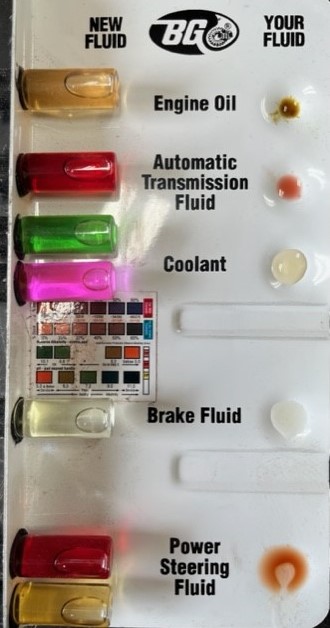
Your vehicle relies on several different fluids to operate properly.
Depending on the vehicle, maintenance may include checking:
- Coolant
- Brake fluid
- Transmission fluid
- Differential fluid
- Power steering fluid
- Windshield washer fluid
Some fluids may simply need to be checked, while others may have manufacturer-recommended service intervals.
For example, differential fluid service may be recommended around 30,000–60,000 miles for some vehicles, but the correct interval depends on the vehicle and how it is used.
Does Every Vehicle Need the Same 30,000-Mile Service?
No—and this is important.
A 30,000-mile maintenance service for one vehicle may look very different from another.
For example, one vehicle might call for a transmission fluid service at 30,000 miles, while another may have a different interval. One engine may require spark plug replacement at a particular mileage, while another may not need them until much later.
Some vehicles may also have different maintenance requirements if they are used for:
- Frequent short trips
- Heavy towing
- Commercial driving
- Stop-and-go traffic
- Off-road driving
- Dusty conditions
- Extreme temperatures
Manufacturer maintenance schedules take these factors into account, so your owner's manual is always the best place to start.
What If I Don't Know My Vehicle's Maintenance History?
You're not alone.
Maybe you bought your vehicle used. Maybe you've moved and changed repair shops. Maybe you simply don't remember when a particular service was performed.
Don't panic.
Start with what you know.
We can look at your vehicle's current mileage and condition, review any available maintenance records, and help you determine what should be addressed first.
You don't have to catch up on everything at once.
A maintenance plan can help you prioritize what is most important now and what can be planned for later.
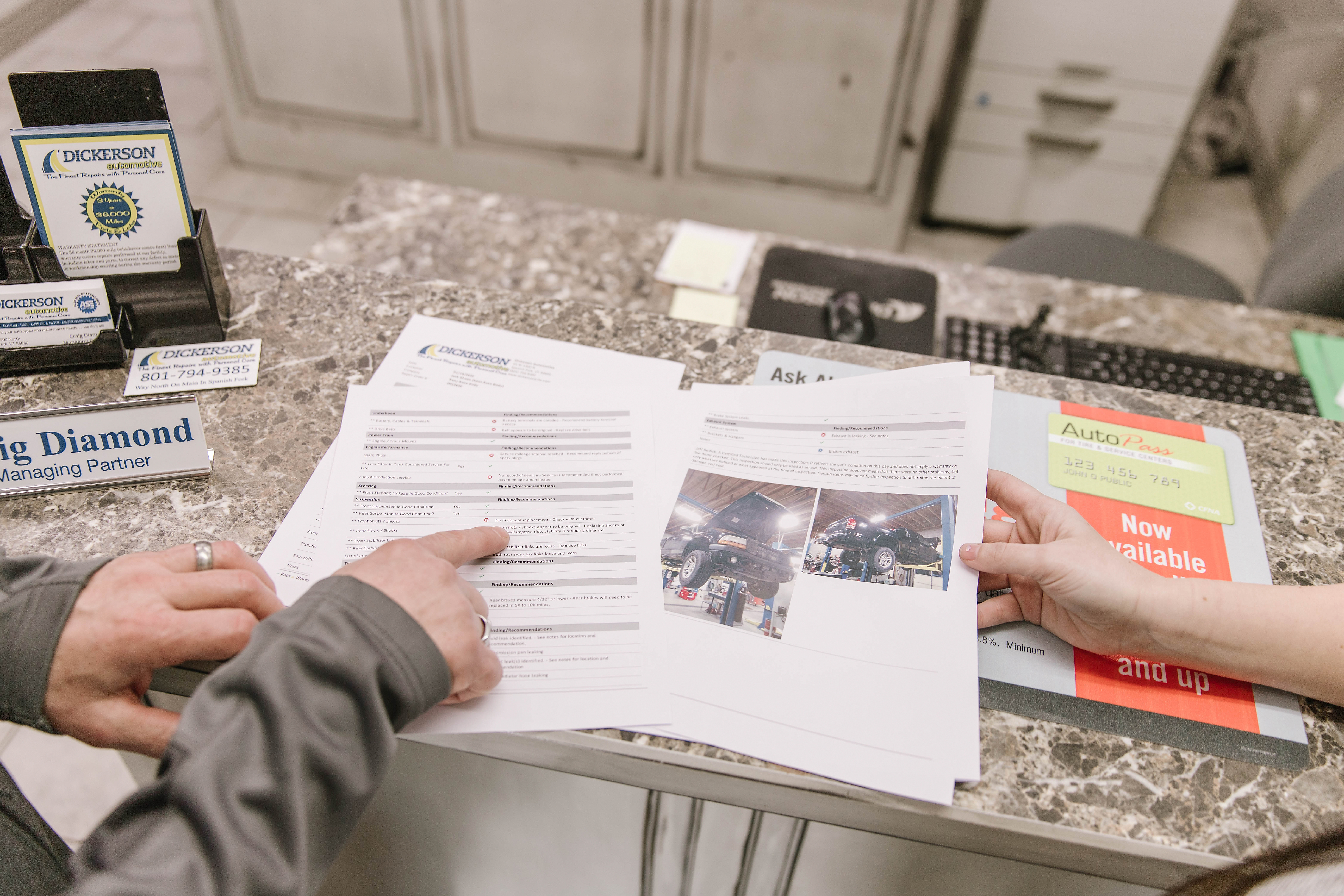
What Should I Fix Now vs. Later?
This is one of the biggest advantages of having a vehicle maintenance plan.
During an inspection, you may discover several items that could eventually need attention.
That doesn't necessarily mean you need to repair everything immediately.
At Dickerson Automotive, we want you to understand what we found and why it matters so you can make an informed decision.
We can help you identify:
🔴 Needs attention now
🟡 Plan for the near future
🟢 Monitor for now
This allows you to make decisions based on your vehicle's condition, your budget, and how long you plan to keep it.
Want to Keep Your Vehicle for Another 5 Years?
This is one of the most important questions you can ask when planning vehicle maintenance.
If you tell us:
"I want to keep this vehicle for another five years,"
that changes the conversation.
Instead of only looking at today's repair, we can help you think about the vehicle's overall condition and what maintenance or repairs may be coming down the road.
That doesn't mean every vehicle should be kept forever.
Sometimes replacing a vehicle makes sense.
Other times, a well-maintained vehicle can provide many more years and miles of reliable transportation.
The goal is to help you understand your options.
30,000 Miles Is Just the Beginning
Your vehicle doesn't stop needing maintenance at 30,000 miles.
Think of 30,000 miles as one checkpoint in a much longer maintenance plan.
As your vehicle reaches 60,000, 90,000, 100,000 miles and beyond, additional maintenance may become due depending on the manufacturer and your vehicle's condition.
That's why keeping records and staying ahead of scheduled maintenance can make vehicle ownership easier.
A good maintenance plan helps you answer:
What did we do?
What does the vehicle need now?
What should we plan for next?
How long do I want to keep this vehicle?
Make a Vehicle Maintenance Plan With Dickerson Automotive
You don't have to memorize your entire owner's manual or know everything about your vehicle.
That's where your automotive repair shop can help.
At Dickerson Automotive, we can help you understand your vehicle's maintenance needs and prioritize recommendations based on your vehicle's condition, mileage, your budget, and your goals.
Whether you're approaching 30,000 miles, driving a high-mileage vehicle, or simply aren't sure what your vehicle needs next, we're here to help.
Don't just have a repair plan. Have a vehicle maintenance plan.
Tell us how long you want to keep your vehicle. We'll help you make a plan.
Schedule your next service with Dickerson Automotive in Spanish Fork, Utah.
Frequently Asked Questions About 30,000-Mile Maintenance
Is 30,000 miles a major maintenance milestone?
For many vehicles, 30,000 miles is an important point to review the manufacturer's maintenance recommendations. However, the actual services required vary by vehicle.
What is included in a 30,000-mile service?
It depends on your vehicle. Common items may include oil and filter service, tire and brake inspections, air filters, fluid checks, battery testing, and other manufacturer-recommended services.
Do I need all of these services at 30,000 miles?
Not necessarily. Your vehicle's maintenance schedule is specific to its make, model, engine, and sometimes its driving conditions. Always check the manufacturer's recommendations before assuming a service is due.
What if I missed my 30,000-mile maintenance?
Don't ignore it, but don't panic either. A technician can review your vehicle's current mileage, condition, and maintenance history and help you determine what should be prioritized.
Is 30,000 miles too early to start planning future maintenance?
No. That's actually the idea behind a maintenance plan. Knowing what services may be coming up gives you time to prepare rather than waiting for an unexpected repair.
Keep Your Vehicle Moving. Make a Plan.
30,000 miles is just one milestone. Your goal is a vehicle that continues to serve you reliably for as long as you need it.
Dickerson Automotive — helping Spanish Fork drivers understand their vehicles and make a plan since 2000.